Invasive Species Removal Tactics Insights for May
When we think about wildlife habitat restoration, one challenge stands out among the rest — invasive species. These unwelcome plants and animals invade ecosystems, overwhelm native life, and throw natural processes completely off balance. Today, I want to share some important insights on removing invasive species. This topic deserves the spotlight because tackling these invaders is one of the most critical steps in bringing habitats back to health.
Why Focus on Invasive Species Removal?
Invasive species are more than just annoying weeds or pests. They disrupt entire ecosystems, outcompeting native plants for light, water, and nutrients, or preying on native animals that haven't adapted defenses. The consequences ripple through the food chain and degrade habitat quality.
When invasive species take hold, restoration efforts can stall or even fail. Removing them is like clearing out weeds from a garden — if you don’t, the native plants you want to grow simply don’t get a fair chance.
Common Invasive Species Removal Techniques
Removing invasive species requires strategy because every ecosystem and invader is different. Over the years, I’ve seen several methods work effectively when applied thoughtfully. Here’s a rundown of the most widely used tactics:
Mechanical Removal
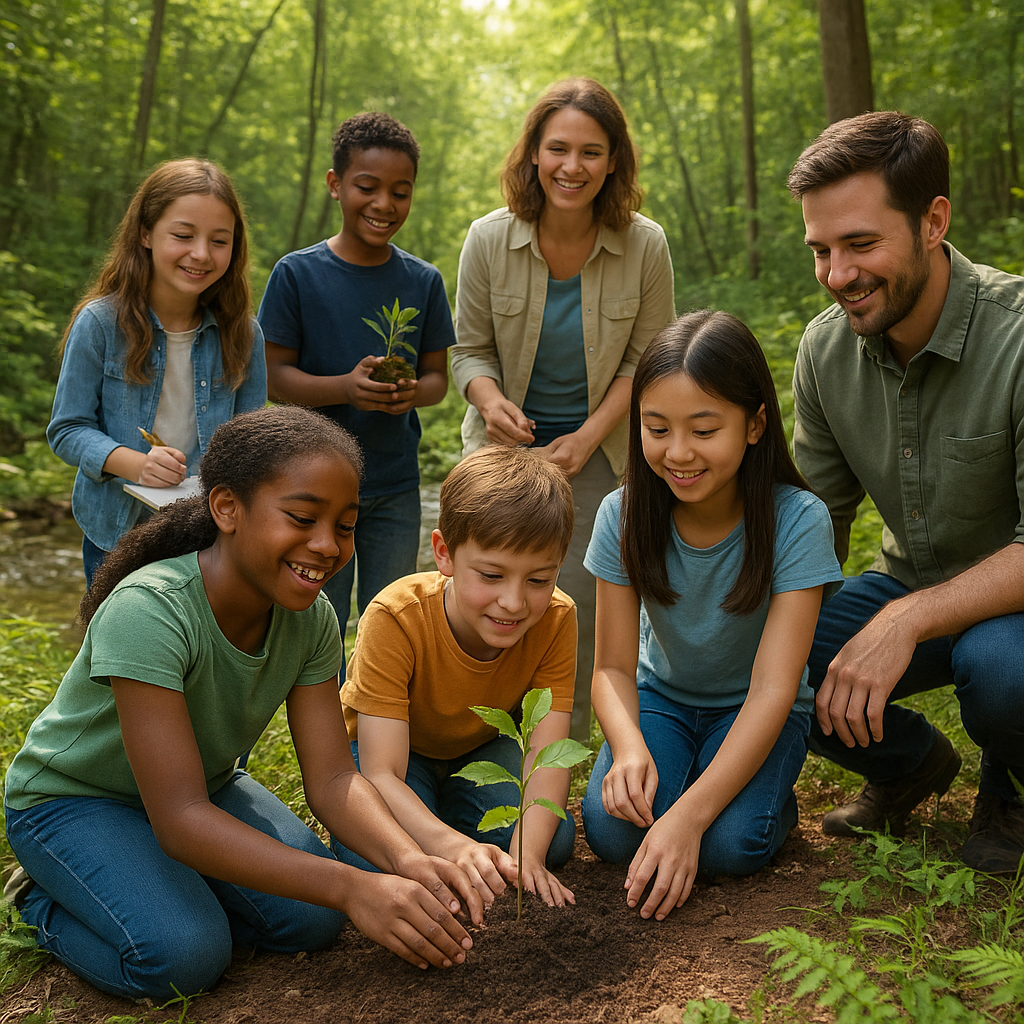
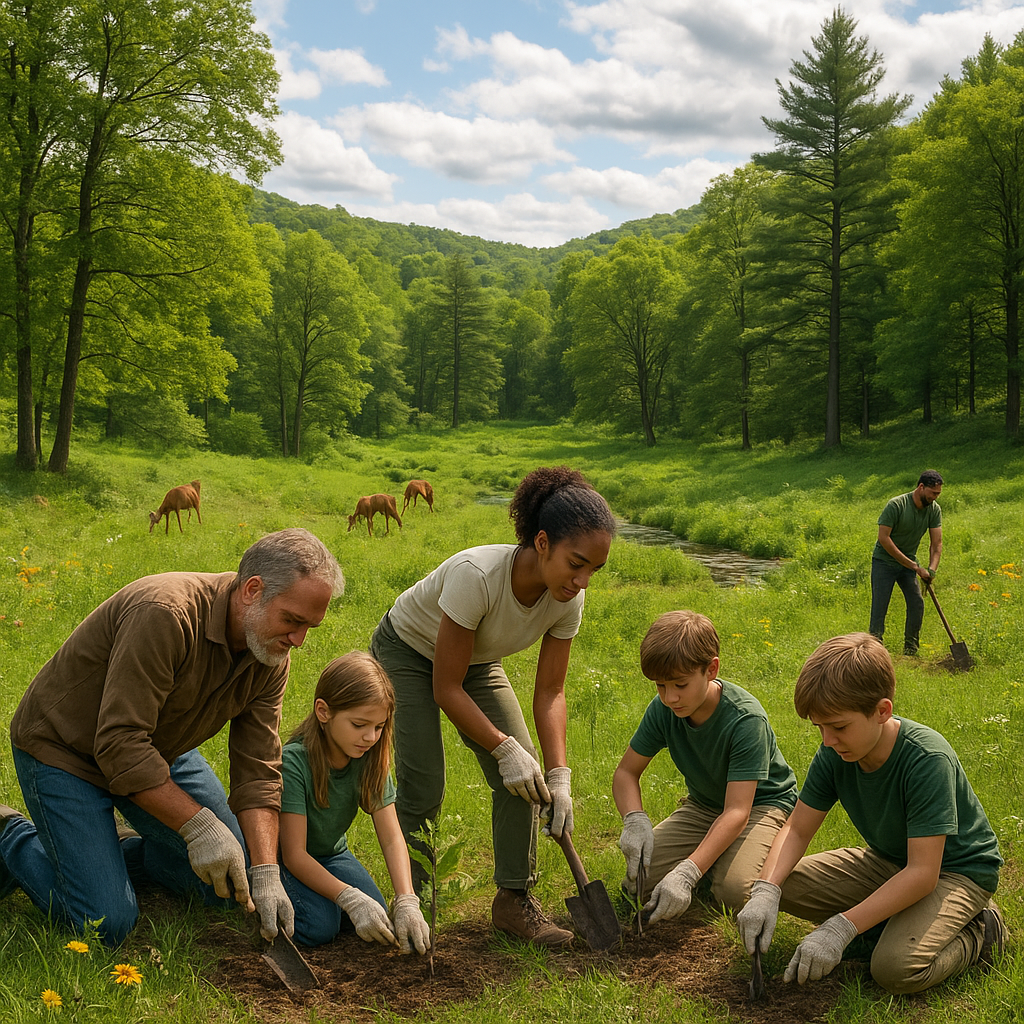
This is the physical act of pulling, cutting, or digging out invasive plants. It’s straightforward but labor-intensive. For small infestations or on hard-to-reach sites, volunteers armed with gloves and tools play a huge role. Sometimes heavy machinery is necessary for large-scale removal. Timing matters — for example, pulling weeds before they seed prevents spreading.
Chemical Control
Applying herbicides or pesticides can be effective, especially when mechanical removal isn’t practical. I’ve noticed that targeted application, using the right chemicals in the right doses, minimizes damage to native species. It’s essential for treatment to be carefully planned to avoid pollution and resistance build-up.
Biological Control
A more natural approach involves introducing predators or diseases specific to the invasive species. This technique aims to rebalance ecosystems without chemicals. But it’s tricky — you must ensure the introduced control agent won’t become a pest itself. Examples include beetles that eat invasive plants or fungi that target invasive insects.
Integrated Pest Management (IPM)
IPM combines mechanical, chemical, and biological methods tailored to specific situations. It’s about using a range of approaches and monitoring results to adapt strategies over time. This approach tends to be the most sustainable and effective in the long run.
Controlled Burns
In certain ecosystems, controlled fires can reduce invasive plants while encouraging native species adapted to fire cycles. Fire management needs skilled planning, permits, and safety precautions, but it can be a powerful tool.
Prevention and Monitoring
Prevention is the unsung hero here. Educating communities to avoid spreading invasives, such as cleaning hiking boots or boats, is crucial. Ongoing monitoring helps catch new invasions early, when they’re easier to manage.
Challenges in Removing Invasive Species
Removing invasive species isn’t simple or quick. Here are some challenges I’ve encountered or learned about:
- Reinvasion risk: Even after removal, invasive species can return if nearby sources exist.
- Non-target impacts: Chemicals or biological controls may harm native species if not carefully applied.
- Resource constraints: Costs and labor for removal and ongoing monitoring can be high.
- Ecosystem complexity: Removing an invasive species can have unexpected effects, such as allowing another invasive to fill the gap.
- Public perception: Sometimes local communities rely on certain invasive species for income, food, or recreation, complicating removal efforts.
Dealing with these challenges requires patience, science-based practices, and community involvement.
How Can You Help With Invasive Species Removal?
You don’t need to be an expert to make a difference. Even small actions count. Here are ways to get involved:
- Join local habitat restoration events: Many groups organize invasive species removal days for volunteers.
- Learn to identify invasive species: Being able to spot them means you can report new outbreaks or remove small patches early.
- Avoid planting invasive plants: Choose native or non-invasive ornamental plants for your garden.
- Follow cleaning protocols: Clean gear, boats, and boots to stop spreading seeds or organisms.
- Support organizations working in restoration: Donations and advocacy fuel large-scale projects.
Final Thoughts
Invasive species removal is tough but absolutely necessary for restoring wildlife habitats. The methods are many, but the goal is clear — give native plants and animals a chance to thrive again. When we commit to this work, we help safeguard biodiversity, improve ecosystem function, and build resilience against environmental changes.
I’ve witnessed how landscapes can transform when invasives are managed right: from overrun and chaotic to balanced and vibrant. It’s a journey that demands persistence and care, but the rewards are worth every effort.
If you’re passionate about nature and ready to make an impact, start paying attention to invasive species in your area. The fight to protect native habitats begins there.
Ready to take action this May? Find a local restoration project, learn those pesky invaders by name, and join the growing movement focused on bringing habitats back to life. Together, removal efforts can bloom into restoration success.