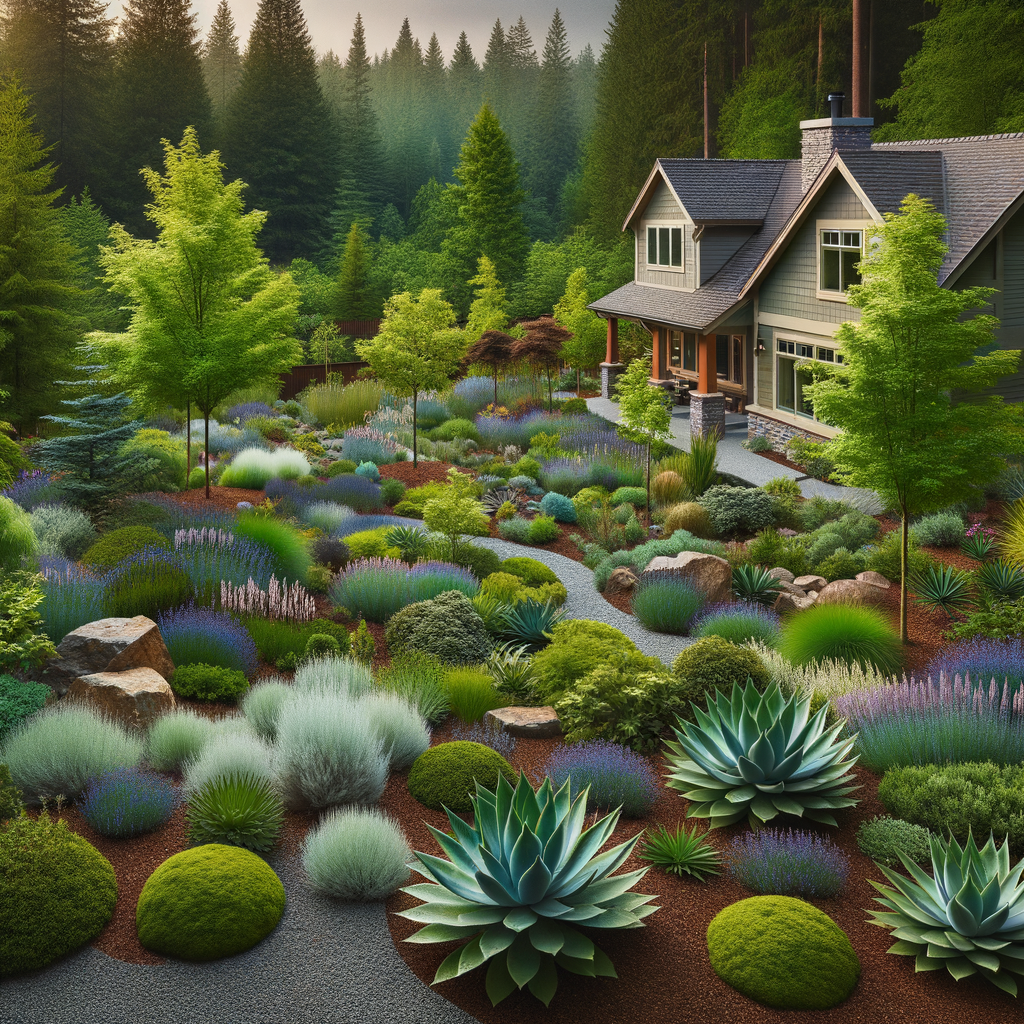
How To Create Fire-Resistant Garden Insights for March
Wildfires have become a harsh reality for many of us. I have watched how easily flames can spread, turning lush gardens and forests into ash. This experience changed everything about how I think of outdoor spaces, especially home gardens. In this post, I want to share practical advice and personal insights on how to create a fire-resistant garden. It is not just about protecting your property; it is about contributing to a safer community and environment.
Why Fire-Resistant Gardens Matter
You might ask why worry about making your garden fire-resistant. The truth is, garden plants, trees, and landscaping materials can either slow down a fire or fuel it. When we live near wooded areas or dry climates, the threat is very real. A fire-resistant garden can act as a barrier, reducing the chance of flames reaching your home. It gives firefighters a better chance to control a blaze if it starts nearby.
Understanding What Makes Plants Fire-Resistant
Not all plants burn the same way. Some are more resistant because they contain less sap and moisture, while others have thicker leaves or grow in a way that does not easily catch fire. Here are some key features of fire-resistant plants I learned over time:
- High moisture content: Plants that hold water in their leaves and stems tend to resist fire better.
- Low resin or oil content: Aromatic oils found in some plants like pines or eucalyptus can make fires worse.
- Slow burning: Plants that do not easily ignite or spread flames quickly help create safer zones.
- Low accumulation of dead material: Plants and shrubs that shed leaves and dry material slowly make less fuel for fires.
Top Tips To Create Your Fire-Resistant Garden
Making your garden fire-resistant is about smart choices and ongoing care. These guidelines have helped me build a safer space, even in fire-prone areas.
1. Choose Fire-Resistant Plants
Start by picking plants known for their resistance to fire. Some examples include:
- Succulents such as agave and aloe.
- Deciduous trees like maples and ashes.
- Herbaceous plants such as lavender and daylilies.
- Ground covers like creeping thyme.
Avoid planting highly flammable species like eucalyptus, pines, and junipers close to your home.
2. Maintain Regular Watering
Keeping plants healthy and hydrated makes a world of difference. Dry plants catch fire faster. I recommend watering early in the morning or late in the evening to prevent evaporation. Drip irrigation works well to target roots without wasting water.
3. Create Defensible Space Around Your Home
Clearing an area of 30 feet or more around your house can slow down fire spread. Remove dead leaves, dry grass, and dead branches. Break your garden into zones to manage fuel in layers:
- Zone 1: Closest to your house, use only fire-resistant plants with good spacing.
- Zone 2: Includes shrubs and trees but keep them well spaced.
- Zone 3: Natural vegetation that is regularly maintained and thinned.
4. Use Non-Flammable Mulch
Mulching helps retain soil moisture and prevent weeds, but not all mulches are equal. In my experience, rock or gravel mulch is safer than wood chips or bark near buildings. If you use organic mulch, keep it moist and replenish it regularly.
5. Prune Trees and Shrubs Regularly
Remove dead or overgrown branches to reduce fire fuel. Trim tree limbs so they don’t touch your roof or shrubs. This simple habit prevents fire from climbing and spreading.
6. Install Fire-Resistant Barriers
Think of walls or fences made from non-combustible materials like stone, brick, or metal. These help protect your garden and home from stray embers carried by wind.
7. Avoid Overcrowding Plants
Crowded plants dry out faster and allow fire to spread rapidly. Spacing plants according to their mature size creates natural firebreaks. I often remember how open spaces can help stop flames from jumping.
How Seasonality Affects Fire-Resistance
March marks a great time to prepare your garden as many plants begin growing and moisture levels rise. It is easier to prune, clear debris, and plant fire-resistant species before the dry summer months come. I always set a reminder in March to check irrigation systems and review garden fuel loads.
The Role of Community and Awareness
One garden alone matters, but a neighborhood full of fire-resistant gardens improves fire safety on a larger scale. Sharing tips, participating in local fire prevention programs, and encouraging neighbors to maintain their yards builds a stronger defense against wildfires.
Final Thoughts on Creating a Fire-Resistant Garden
Fire-resistant gardens combine good plant choices with smart maintenance and design. They provide peace of mind knowing you have a layer of defense when seasons get dry. It takes commitment, but the impact is worth every effort.
Next time you plan your garden or prepare for fire season, remember these steps. Your choices protect not only your property but also your family and community.
Create your fire-resistant garden. Protect your home. Preserve nature.
Thank you for reading. If you have tips or experiences with fire-resistant gardening, please share them below. Your insights may help others stay safe and prepared.