Fire-Resistant Tree Species Selection Insights for July
I still remember the shock I felt when I first saw the aftermath of a forest fire up close. The blackened trunks, the ash-covered ground, and the eerie silence where once there was vibrant life. That experience changed the way I approach forest fire prevention and led me to focus deeply on a crucial yet sometimes overlooked aspect: selecting fire-resistant tree species. Today I want to share what I have learned about this topic and why it matters more than ever, especially as fire seasons grow longer and more intense.
Why Fire-Resistant Tree Species Matter Now
Forest fires are not just isolated disasters; they are part of a bigger, more complex problem. As the climate warms, forests become drier, and fires spread more easily. Choosing the right types of trees can act like a natural barrier, slowing fire spread and protecting ecosystems, homes, and communities.
Here is why selecting fire-resistant species should be a priority:
- It reduces the fuel load that fires need to grow.
- It protects biodiversity by favoring species that can survive or recover quickly from fire.
- It improves air quality by lessening the intensity and extent of fires.
- It supports long-term forest health and climate resilience.
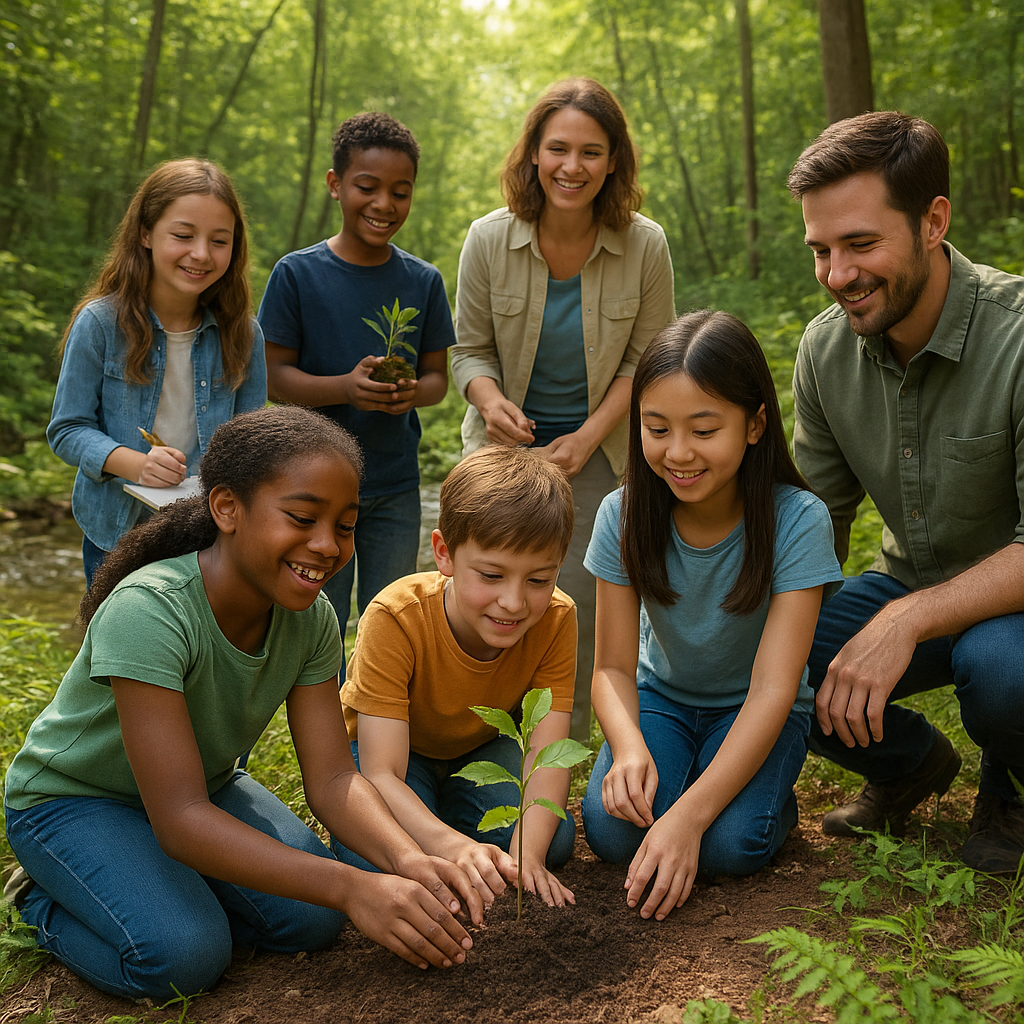
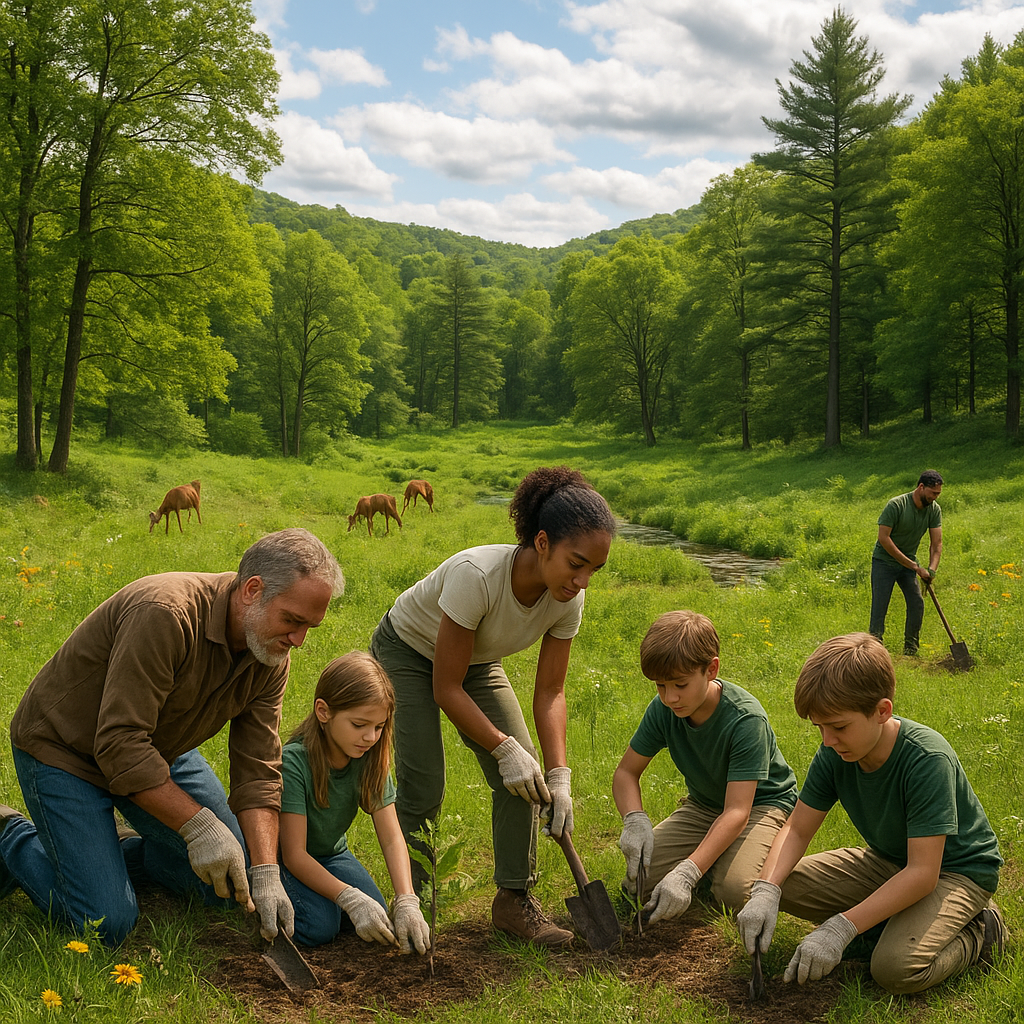
In my experience, planting and nurturing fire-resistant trees can be a simple but powerful step toward a safer environment.
Understanding Fire-Resistant Trees: What Makes Them Special
Not all trees react to fire in the same way. Some have thick bark that insulates vital tissues, others have high moisture content in their leaves and branches, and some shed lower branches to prevent fire climbing from the forest floor to the canopy.
I often explain it like this:
- Thick Bark – Acts as armor against heat. Trees like oaks and certain pines have this advantage.
- High Moisture Content – Some species have needles or leaves that hold water, making them less flammable.
- Low Fuel Arrangement – Trees that don’t have dense lower branches or dead wood close to the ground help stop fires from climbing upward.
- Ability to Regenerate – Fire-tolerant species can resprout quickly or regain canopy cover after a fire event.
Understanding these traits helps in choosing species that not only survive but also help control fire spread.
Top Fire-Resistant Tree Species to Consider
Over the years, I have compiled a list of trees that I recommend for fire-prone areas based on local research and forest management guidelines. Here are some standout options:
1. Quercus Species (Oaks)
Oaks have thick bark and deep roots. Their leaves are less likely to ignite, and they typically recover well after fires. Quercus species also support diverse wildlife.
2. Pinus Ponderosa (Ponderosa Pine)
This pine species is well-known for its thick, insulating bark and self-pruning lower branches. It thrives in dry environments and has evolved alongside periodic fires.
3. Sequoia sempervirens (Coast Redwood)
Redwoods have fire-resistant bark that can be several inches thick. Their ability to survive intense heat makes them iconic survivors.
4. Arbutus menziesii (Pacific Madrone)
This hardwood has thick bark and high moisture leaves. It tends to grow in mixed forests and helps create a patchwork effect that slows fires.
5. Cercis canadensis (Eastern Redbud)
A smaller tree with moist leaves and low flammability, great for adding greenery without increasing fire risk in urban and suburban areas.
How To Use This Knowledge for Fire Prevention
Knowing which trees resist fire is step one. Using them effectively in landscaping, reforestation, and forest restoration is the next.
- Strategic Planting: Place fire-resistant trees near homes and critical infrastructure as a living firebreak.
- Mixed Species Forests: Avoid monocultures. Diverse forests create natural variations in fuel that can slow fire spread.
- Regular Maintenance: Keep trees healthy by removing dead wood and managing underbrush.
- Community Involvement: Advocate for including fire-resistant species in local park designs and public spaces.
I have seen how communities that embrace these strategies enjoy more resilient green spaces and feel safer during fire seasons.
Additional Prevention Steps Beyond Tree Selection
While tree selection plays a big role, it’s one piece of a bigger puzzle. Integrating this approach with safe fire practices makes a stronger defense. That includes:
- Practicing safe campfire habits.
- Properly disposing of cigarettes.
- Following local burning regulations.
- Maintaining equipment that could spark a fire.
- Reporting suspicious behavior immediately.
The combination of natural barriers and vigilant human action is the best way to protect our forests.
Technology and Fire-Adapted Forests
Emerging technology powers fire prediction and monitoring, but I believe combining these tools with nature-based solutions is key. Selecting fire-resistant tree species creates landscapes that are not only beautiful but also smart and safe.
Final Thoughts: Investing in Fire-Resistant Forests
If you take anything away from this, let it be this: choosing and cultivating fire-resistant tree species can lower fire damage and strengthen ecosystems in meaningful ways. It is an investment in safety, environment, and future.
When planting your next tree or working in forest management, ask yourself: Is this species helping us fight fire or fueling it? That simple question guides many of my decisions and can guide yours.
Together, with knowledge and action, we can build forests and communities that stand stronger against fire and protect what matters most.
Have you planted fire-resistant trees or seen their impact firsthand? What advice or experiences can you share? Join the discussion below and let’s continue learning together.