Environmental Curriculum For Schools Insights for July
When I first started working with schools on environmental education, it quickly became clear that it’s not just about teaching facts or checking boxes. It’s about planting seeds that grow into lasting change. Environmental curriculum in schools can be the spark that lights a lifelong passion for caring about our planet. Today I want to share why this matters so deeply and how we can make these programs truly effective in classrooms.
Understanding Environmental Curriculum: More Than Just Lessons
Environmental curriculum is often seen simply as another subject. But in truth, it goes beyond textbooks and tests. It is about connecting students with real-world issues — climate, conservation, sustainability — and inspiring them to think critically and take action.
I remember visiting a school where a simple project on water conservation became a school-wide movement. Kids created posters, spoke to their families, and even influenced school policies. That’s the power of a curriculum that does more than inform — it empowers.
Why Focus on Environmental Curriculum?
Implementing strong environmental curriculum in schools is essential because:
- Students develop critical thinking: They learn to analyze problems and come up with creative solutions.
- It builds awareness early: Habits and values formed in youth often last a lifetime.
- Communities benefit: Educated students often become advocates who bring positive change at home and beyond.
Education as a Foundation for Engagement
To spark real interest in environmental issues, education must do more than present information. It has to engage students’ curiosity and relate topics to their everyday lives.
When students understand why clean air or biodiversity matters, they don’t just memorize—they care. That emotional connection drives deeper learning and motivates action.
How Environmental Curriculum and Community Involvement Work Together
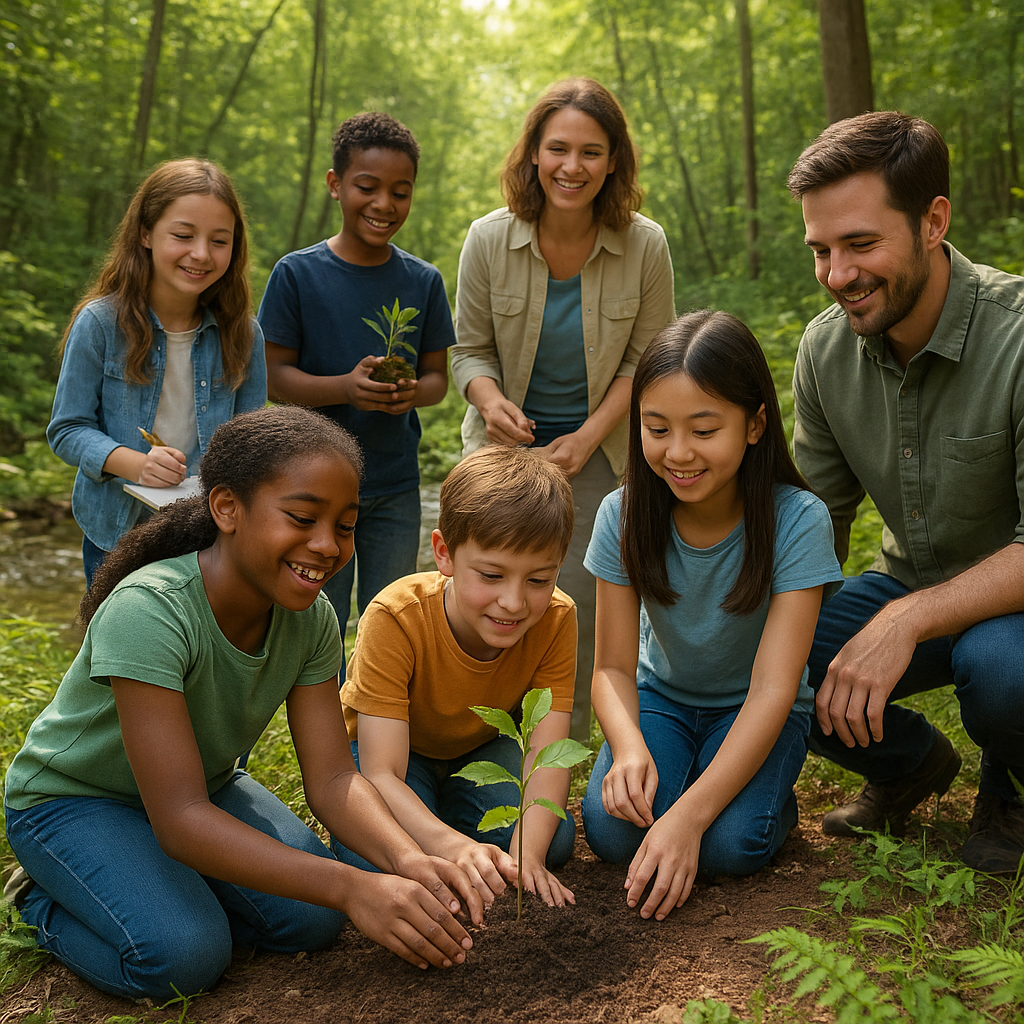
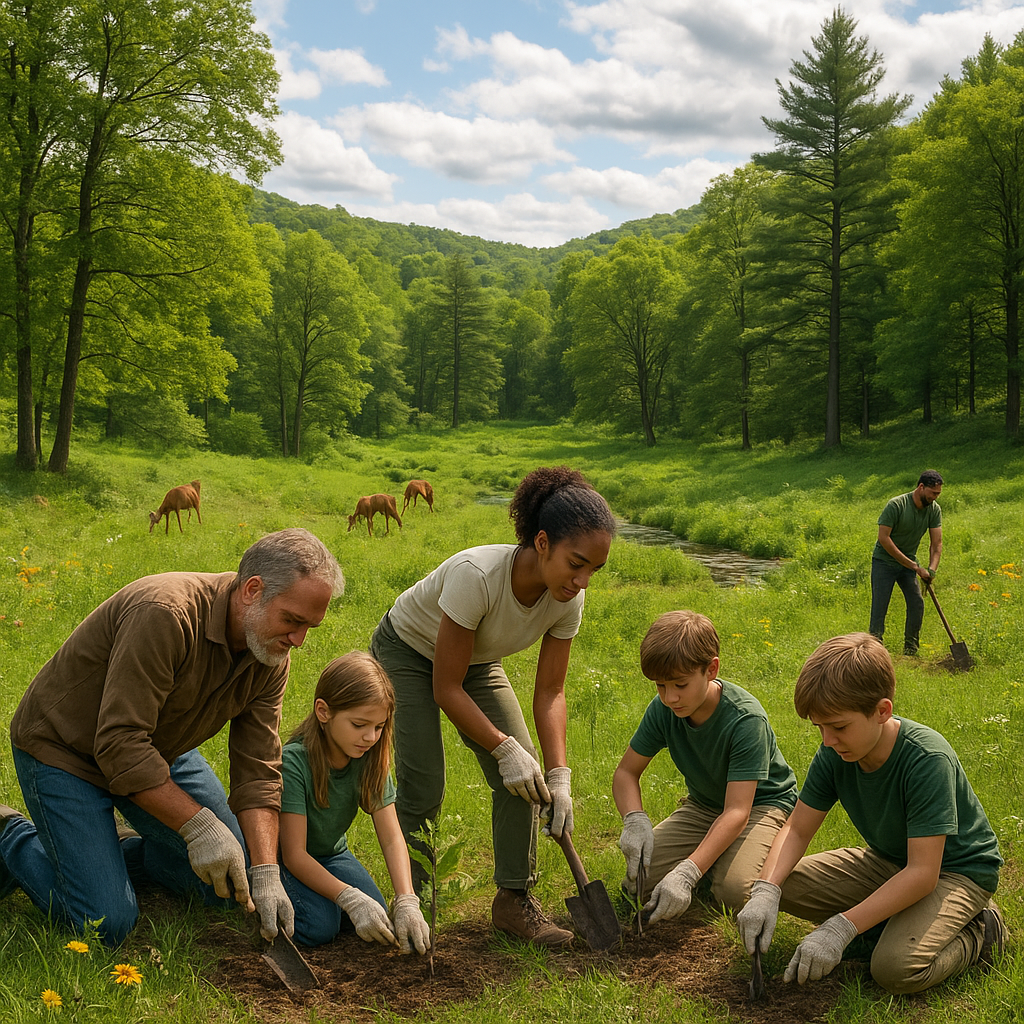
The classroom shouldn’t be isolated from the community; they feed each other. For example, lessons on gardening or recycling gain meaning when students participate in local projects or community clean-ups.
When students apply what they learn, they see the impact firsthand. Plus, feedback from these experiences helps teachers adjust lessons to be even more relevant.
Strategies to Improve Environmental Curriculum in Schools
Over time, I’ve observed some key strategies that help make environmental education more effective and engaging:
1. Listen to Students and Teachers
Start by understanding what interests and challenges exist. This makes it possible to tailor curriculum and activities so they resonate.
2. Make Lessons Accessible and Inclusive
Schools are diverse; lessons must consider language, abilities, and cultural backgrounds. Using multiple formats like visuals, hands-on activities, and discussions ensures everyone can participate.
3. Encourage Active Participation
Move beyond lectures. Projects, field trips, and experiments get students involved and make learning tangible.
4. Connect Content to Real Life
Use stories and examples from local environments. It helps students relate and see the relevance.
5. Use Technology Thoughtfully
Digital tools can enhance learning but should supplement, not replace, direct experiences with nature.
Overcoming Challenges in Environmental Education
No program runs smoothly all the time. I’ve seen challenges from limited resources to lack of interest.
One time, a school struggled with low engagement in an environmental club. We shifted focus to smaller, fun activities like nature walks and simple projects. Interest grew steadily, proving that patience and flexibility are key.
Final Thoughts: Starting Small to Make a Big Difference
The truth is environmental education in schools is a journey. It requires time, effort, and thoughtful approaches. But the payoff is huge — informed, passionate students ready to be stewards of the planet.
If you are an educator, parent, or community member wanting to support this cause, start with small steps:
- Advocate for more environmental topics in classrooms
- Support hands-on projects and field experiences
- Engage students and listen to their ideas
Change starts with understanding and action, no matter how small. Together, through thoughtful environmental curriculum, we can nurture the next generation of change-makers.
—
Feel free to share your experiences or ideas about environmental education in schools. By learning together, we grow stronger and make a bigger impact.