Environmental Curriculum For Schools Insights for January
When I first encountered the idea of an environmental curriculum for schools, I wasn’t sure what to expect. Was it just another educational topic, or could it truly make a difference? Over time, I have come to see that teaching kids about the environment is one of the most powerful ways to shape their understanding—and their world. It is not just about facts or science. It is about connection, responsibility, and action. And with the right approach, it can inspire whole communities to grow and thrive.
Understanding The Importance of Environmental Curriculum in Schools
At its heart, environmental education is about more than just the environment itself. It is about giving students the tools to think critically about how they interact with the world around them. This means helping them understand local ecosystems, global challenges like climate change, and the simple steps they can take to protect the planet.
A solid environmental curriculum empowers students to become problem solvers. It teaches them to listen—to nature and to each other—and to act with care and urgency. When schools prioritize environmental learning, they not only build knowledge but sow the seeds of responsible citizenship.
Why Schools Need To Embrace Environmental Topics Now
In today’s world, environmental challenges are urgent and complex. Climate change, pollution, loss of biodiversity—these issues affect every community. Schools serve as a critical place where young minds can be shaped for the challenges ahead.
But education must be more than theory. It must be active and relevant. That means lesson plans that connect students with their local environment, projects that encourage hands-on learning, and discussions that inspire curiosity and respect.
By introducing environmental curricula, schools equip students with more than just facts; they instill hope and a sense of possibility. When children understand their power to make positive change, they become advocates not only for the environment but for healthier, more equitable communities.
My Journey Working With Environmental Curriculum in Schools
I began working with environmental education through local school partnerships. At first, the work focused on developing materials and organizing workshops. But it quickly became clear that success depends on genuine engagement. It’s about capturing students’ imaginations and touching their hearts.
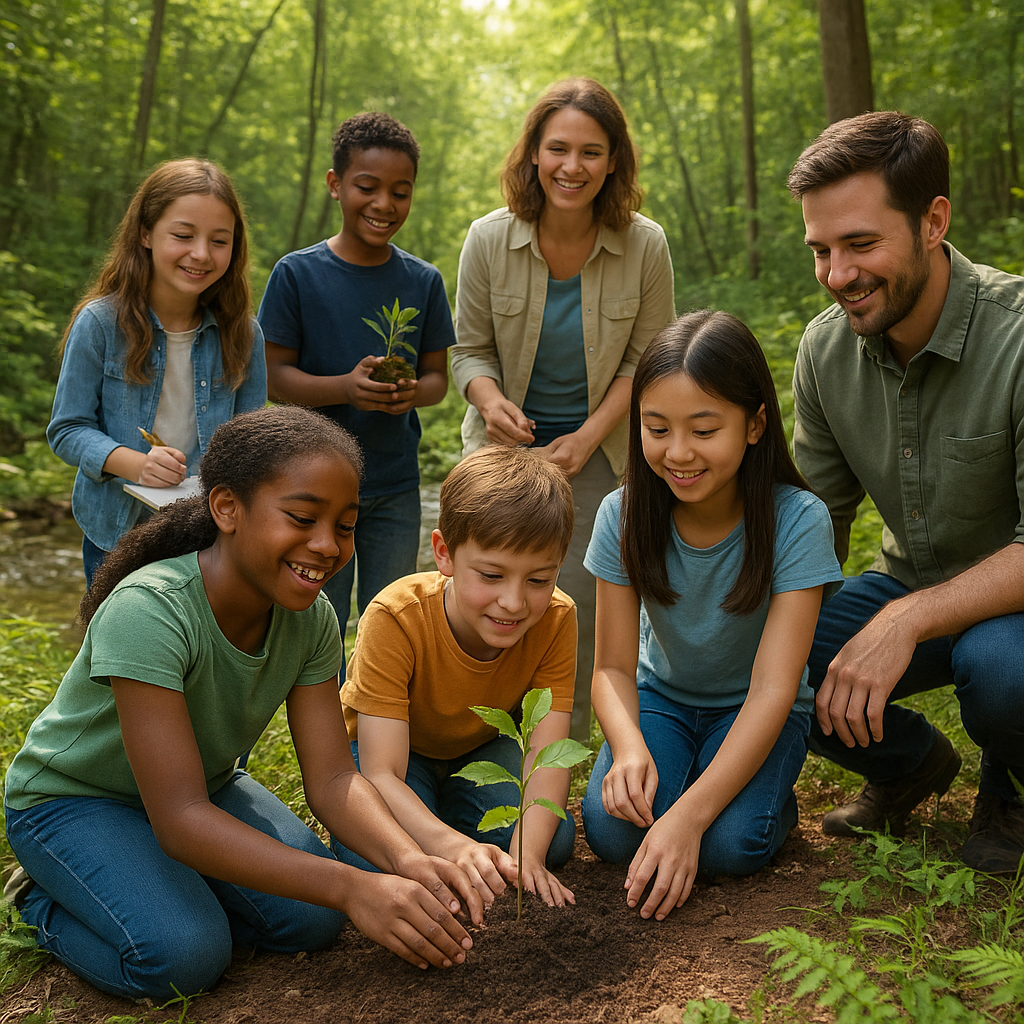
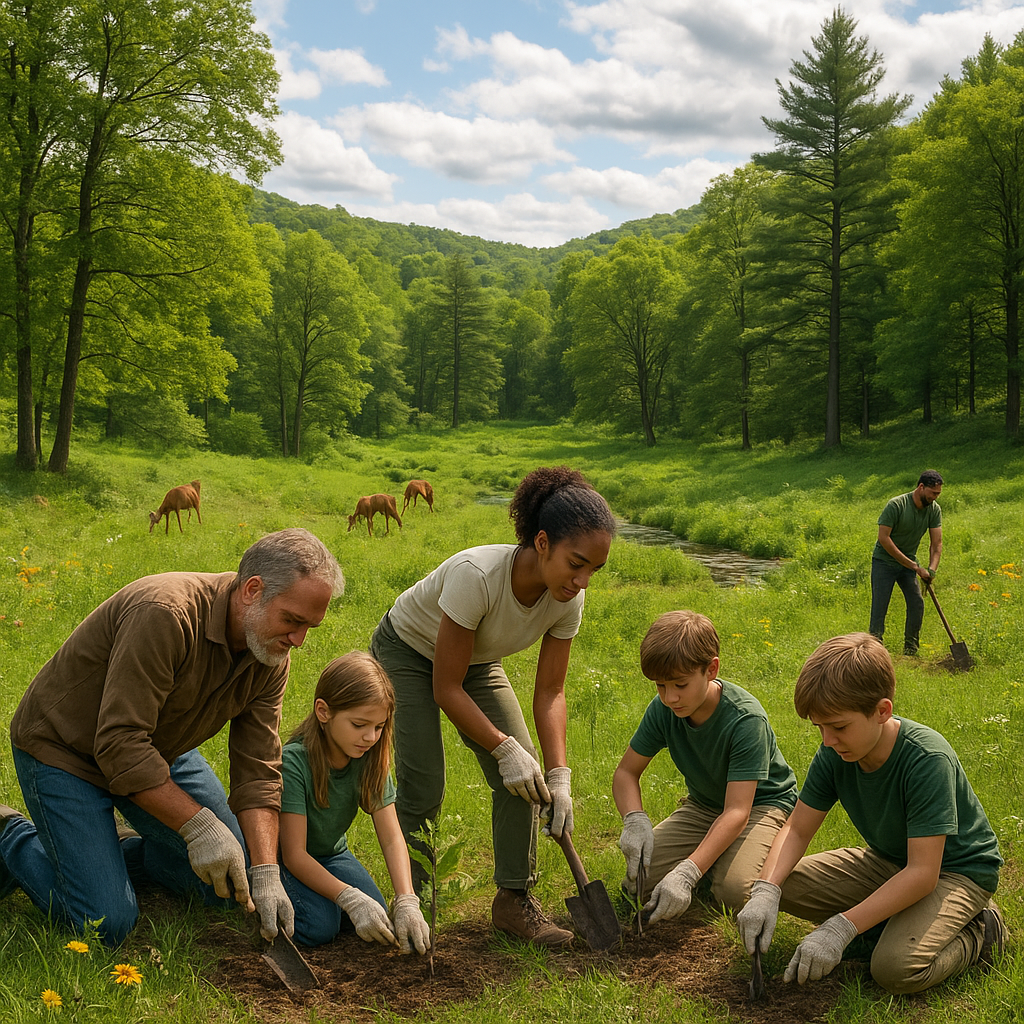
One memorable project involved creating a community garden with students. It was incredible to witness their excitement as seeds sprouted and lessons came alive. These hands-on moments cement learning in a way lectures never could.
Supporting teachers was also vital. Providing clear resources, helping adapt lessons to different ages, and offering guidance kept the programs practical and effective. The journey taught me that sustainability in education is a team effort—between educators, families, and the wider community.
Overcoming Challenges and Building Solutions
Integrating environmental topics into schools is not without hurdles. Some teachers worry about fitting new content into already packed schedules. Others feel uncertain about their own knowledge or how to make lessons engaging. And there can be resistance to change from various corners.
To tackle these challenges, I focused on collaboration and flexibility. Offering training and materials that were easy to use helped build confidence. Partnering with school leaders to align curricula with broader goals ensured smoother adoption. Importantly, listening to concerns and adapting approaches helped build trust and buy-in.
Celebrating small wins made a huge difference too. Every time a student showed curiosity or took part enthusiastically, it reminded everyone involved that this work matters deeply.
Real Stories: Impacting Students and Communities
One story that stands out is about Ella, a young student who initially seemed uninterested in environmental topics. After participating in a water quality monitoring project, she began asking questions, reading more, and even encouraging her family to reduce plastic waste. Her curiosity grew into passion.
Another example is a class that developed a recycling campaign at their school. Their efforts lowered waste and sparked conversations about sustainability among students and staff. These outcomes show the ripple effect that well-designed curricula can have—reaching far beyond the classroom.
Tips for Schools Crafting Environmental Curricula
Drawing from experience, here are some key recommendations:
-
Create Hands-On Learning: Engage students with nature walks, experiments, and community projects.
-
Keep It Local and Relevant: Connect lessons to the students’ own environment and experiences.
-
Support Teachers Thoroughly: Provide clear, accessible resources and ongoing training.
-
Encourage Student Voice: Let students ask questions, lead projects, and share their perspectives.
-
Integrate Across Subjects: Link environmental topics with science, social studies, language arts, and more.
-
Leverage Community Partnerships: Work with local environmental groups, experts, and families.
-
Be Patient and Persistent: Change in schools takes time; celebrate progress and keep learning.
Why This Focus Is More Critical Than Ever
The world is facing environmental crises that can no longer be ignored. Schools hold a unique position to prepare the next generation to meet these challenges head-on. A strong environmental curriculum is not an optional extra—it is essential.
Through education, we nurture empathy, critical thinking, and the courage to act. We help students become informed citizens ready to protect their communities and our planet. In a time when facts can be overshadowed by confusion or misinformation, teaching clear, honest environmental lessons is a vital step.
A Call To Educators, Parents, and Communities
If you are involved in education, support efforts to introduce or strengthen environmental curricula in your local schools. Get involved. Listen to students. Encourage projects that connect learning to real life.
Parents and community members can play a powerful role too. Advocate for meaningful environmental education and offer support where possible. Change begins with all of us working together.
Environmental education in schools is more than just a topic. It is an investment in the future—one that plants hope, knowledge, and action in young minds. I am grateful to be part of this journey and look forward to seeing how each new year brings fresh opportunities and inspiration.
What experiences do you have with environmental education? I welcome your stories and thoughts below. Let’s keep the conversation going.