Endangered Species Nesting Support Insights for October
If you have ever spent time in nature, you know how incredible it is to witness wildlife going about its life. But what happens when endangered species struggle to find safe places to nest and raise their young? This is a problem that matters deeply to me and many conservationists worldwide. Nesting support for endangered species is more than just protecting animals; it is about restoring balance and giving vulnerable wildlife a fighting chance.
What Is Nesting Support for Endangered Species?
Nesting support involves creating or preserving safe habitats where endangered animals can build nests, lay eggs, and care for their young. It goes beyond simply identifying endangered species. It means understanding their unique nesting needs and ensuring their environment offers the shelter, food, and protection required for successful breeding.
Early in my restoration work, I realized the intricacies involved in supporting nesting. It requires patience, detailed knowledge of species behavior, and careful planning. It is not just about planting vegetation or protecting an area but understanding how every element fits into the species survival puzzle.
Why Nesting Support Is Crucial
Protecting Biodiversity
Every endangered species plays a role in its ecosystem. When nesting sites disappear, these animals cannot reproduce, which hastens their decline. Providing safe nesting habitats helps maintain biodiversity, keeping ecosystems healthy and resilient.
Mitigating Climate Impacts
Nesting sites, such as wetlands, forests, and grasslands, often serve as natural buffers against climate change. They regulate temperatures, reduce flooding risks, and absorb carbon dioxide. Supporting these habitats means supporting nature's own climate solutions.
Benefits for Human Communities
When endangered species thrive, they contribute to ecosystem services like pollination, water purification, and soil health. These benefits sustain agriculture, clean our water, and enrich our lives. Protecting nesting sites is directly linked to human well-being.
Key Steps in Supporting Endangered Species Nesting
From my experience, supporting nesting involves a strategic and thoughtful process.
1. Understanding Species Needs
Performing detailed studies helps identify which species need support and what their nesting habits are. Some birds require tall grasses, while others need tree cavities or wetlands.
2. Removing Threats to Nesting Sites
Invasive plants, predators, and human disturbances can all destroy or degrade nesting areas. Removing these threats creates safer conditions for endangered wildlife.
3. Restoring Habitat Features
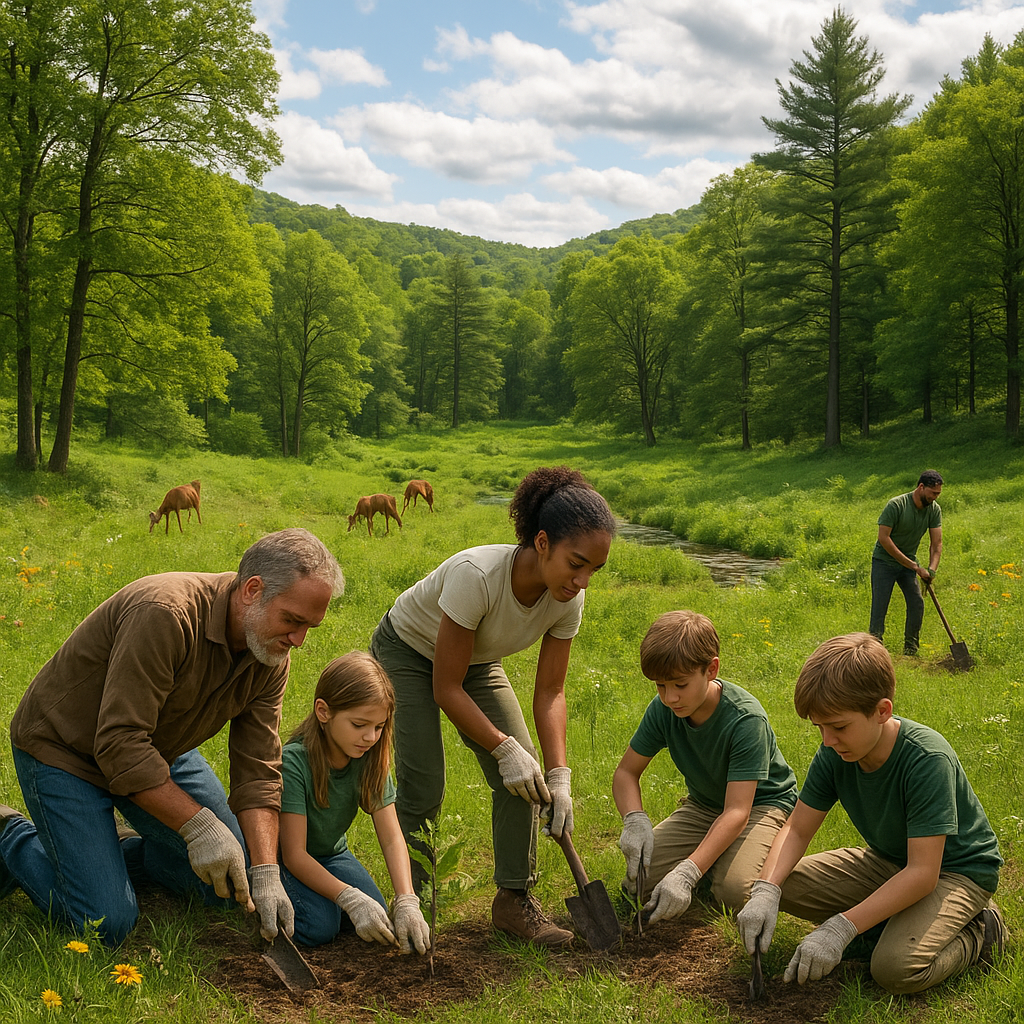
This step includes planting native plants, restoring water levels, and rebuilding natural structures. Providing the right habitat features encourages species to nest and raise young successfully.
4. Creating Artificial Nesting Options
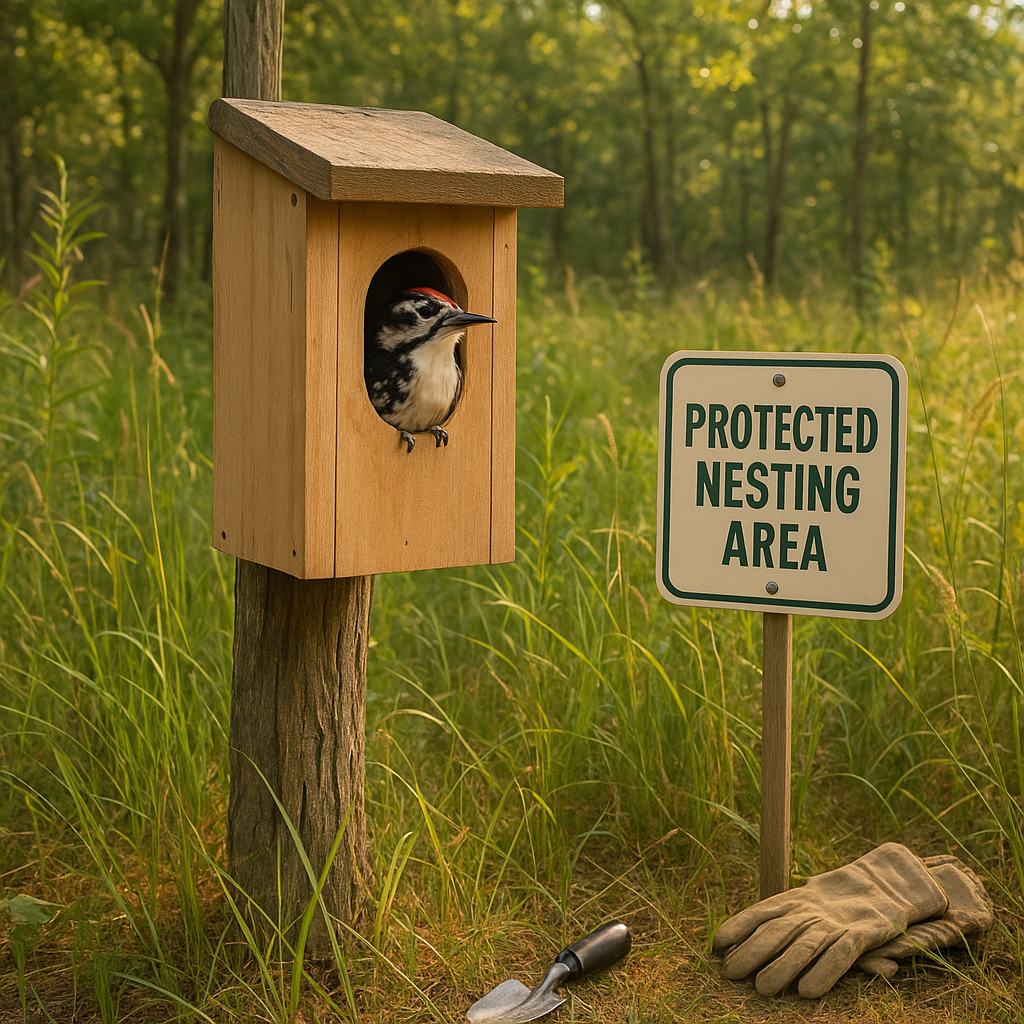
Sometimes, especially in highly altered landscapes, natural nesting sites are missing. Crafting bird boxes, nesting platforms, or submerged structures can provide critical support.
5. Monitoring and Ongoing Care
After creating or restoring nesting sites, ongoing observation is vital. It helps detect new threats early, assess nesting success, and adapt management as needed.
Success Stories About Nesting Support
I want to share a couple of inspiring examples that highlight how targeted nesting support makes a real difference.
The Greater Prairie Chicken Bounce Back
In parts of the Midwest, restoring native grasses and controlling invasive plants created ideal habitats. Setting up nesting enclosures safeguarded eggs from predators. These efforts have helped endangered Greater Prairie Chickens hatch more chicks and regain population ground.
Mangrove Nesting Revival
Mangrove forests not only provide breeding grounds for fish but also nesting spots for unique bird species. Replanting mangroves and reducing coastal pollution restored nesting sites and supported local fisheries and communities alike.
Challenges to Overcome
Supporting endangered species nesting is rewarding but not without obstacles. Ecosystems are fragile. A small mistake, like introducing non-native plants, can disrupt nesting success. Community awareness and consistent funding are often limited hurdles.
Still, with careful planning and community involvement, progress is possible. Every nest protected is a step towards species recovery.
What You Can Do To Help
You do not need to be a specialist to make a difference.
- Support organizations focused on restoring critical nesting habitats.
- Use native plants in your garden to provide food and shelter for local wildlife.
- Reduce chemical use and waste to protect waterways and soil.
- Share what you learn to inspire others to care about endangered species nesting needs.
Final Thoughts
Endangered species nesting support is about more than just animals. It touches the health of ecosystems and the future of the planet we all share. When you see an endangered bird successfully nesting or hear about restored breeding grounds, that success resonates far beyond that location. It is a sign of hope.
Look around your community and ask what nesting habitats need protection or restoration. Together, we can ensure endangered wildlife have safe places to raise their young and thrive. In protecting nesting sites, we safeguard our shared future.
Restoring nesting habitats is a complex journey with ups and downs. But the joy of seeing life take flight again makes every effort worthwhile. Let us stand as guardians of nature. The wild world needs us now more than ever.