Endangered Species Nesting Support Insights for January
There is something deeply moving about seeing vulnerable wildlife find safe spaces to nest and grow. Over the years, I have come to understand the critical role that nesting support plays in the survival of endangered species. Protecting these species requires targeted efforts to create, restore, and maintain nesting habitats that meet their specific needs. In this post, I want to share my experiences and insights on how we can support endangered species nesting and why it matters now more than ever.
Understanding the Importance of Nesting Support for Endangered Species
Nesting is more than just a place to lay eggs or raise young. It is the foundation of survival for countless species at risk of extinction. When natural nesting sites are lost or degraded through human activity such as urbanization, agriculture, or pollution, the consequences for these species are dire.
Without safe nesting habitats, breeding success rates drop sharply. This leads to shrinking populations and a higher risk of extinction. Providing appropriate nesting support is thus an urgent part of conservation strategies designed to halt or reverse the decline of endangered animals.
What Does Nesting Support Entail?
Supporting endangered species does not simply mean protecting large tracts of land. It requires detailed understanding of the species’ nesting habits, habitat requirements, and seasonal behaviors.
Here are some critical components of effective nesting support:
1. Habitat Restoration Tailored to Nesting Needs
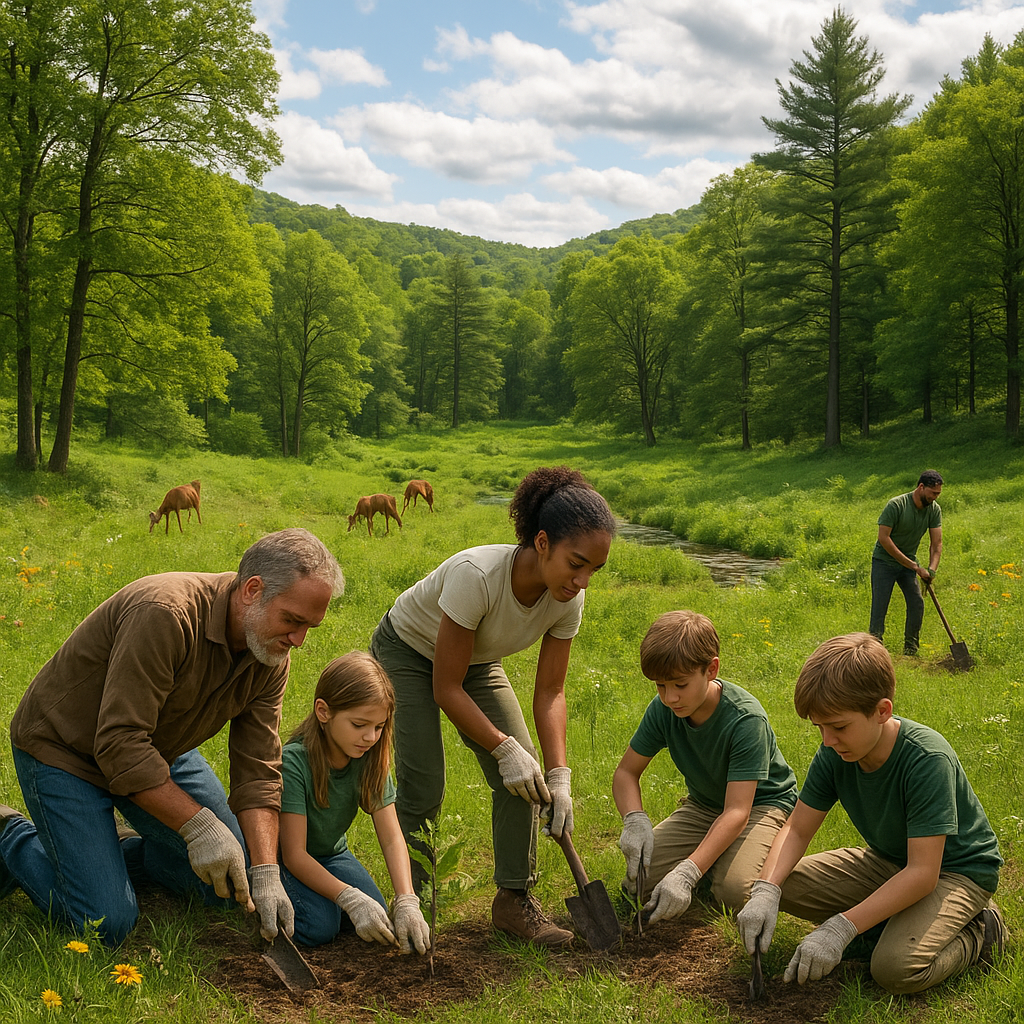
Not all habitats are equal. Restoration must focus on recreating or enhancing the specific features essential for nesting — that might mean nesting cavities in trees, undisturbed forest floor patches, or quality wetland margins. Sometimes, this involves installing artificial nesting structures to supplement what remains in nature.
2. Invasive Species Management
Invasive plants and animals can destroy or alter nesting areas, making them unusable. Removing or managing invasives is an essential step to ensure nesting success for endangered species.
3. Minimizing Human Disturbance
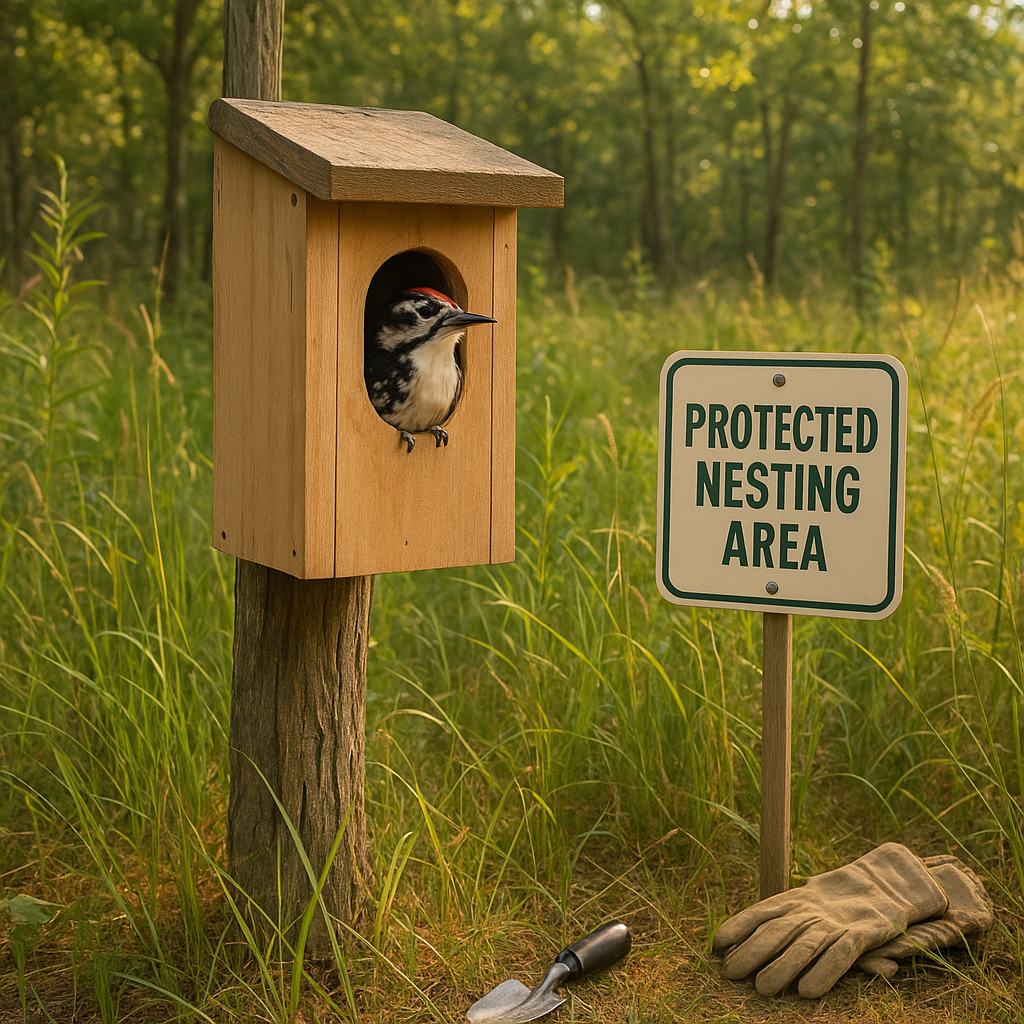
Nesting sites are highly sensitive to human interference. Education programs and signage may help keep people away from critical areas during breeding seasons. In some cases, restricted access or conservation easements provide necessary protection.
My Hands-On Experience in Supporting Endangered Species Nesting
Early on, I underestimated how complex and delicate nesting support really is. One particularly eye-opening project involved supporting a local endangered bird species whose nesting success had plummeted due to habitat loss and predators.
We started by assessing nesting sites and identifying threats. We then restored native vegetation to provide cover and nesting material. Artificial nest boxes were installed in strategic locations. Monitoring through the breeding season showed increased nesting attempts and fledgling survival rates.
It was a humbling reminder that even small actions can make a big difference when guided by science and careful observation.
Challenges in Nesting Support Work and How to Overcome Them
Supporting endangered species during nesting presents many challenges. Weather events like storms can destroy nests. Limited funding restricts scope and duration of projects. Invasive predators require continuous control efforts. Even well-meaning human activity can unintentionally disturb sensitive sites.
From my experience, patience and perseverance are vital. Frequent monitoring combined with adaptive management—changing strategies based on what works—helps navigate setbacks. Building strong connections with local communities also fosters respect and long-term support.
How You Can Support Endangered Species Nesting in Your Community
You don’t have to be a conservation expert to make a real impact. Here are simple actions anyone can take:
- Plant native trees and shrubs that provide natural nesting sites for birds and other wildlife.
- Install or maintain birdhouses, bat boxes, or other artificial nesting structures designed for local endangered species.
- Volunteer with local conservation groups focused on habitat restoration and predator control.
- Educate friends, family, and neighbors about the importance of undisturbed nesting areas.
- Advocate for policies that protect critical habitats and fund conservation projects.
Looking Ahead: Why Nesting Support Is a Critical Conservation Strategy
Effective nesting support strengthens populations of endangered species and improves overall ecosystem health. It helps preserve the intricate web of life that sustains biodiversity and resilience in the face of climate change.
Every nest successfully raised is a victory for nature and for us. It shows that with informed effort and collective care, we can turn the tide on extinction.
Final Reflections
Supporting endangered species during their nesting season has profoundly changed how I view conservation work. It highlights the delicate balance between species survival and human impact. It demands humility, precision, and ongoing commitment.
If you feel inspired, I encourage you to get involved. Together, small, thoughtful actions add up to a future where wildlife thrives alongside human communities.
Thank you for reading these insights on endangered species nesting support. Let us all work toward creating safer havens for the most vulnerable in our natural world.