Earth Day Celebration Ideas Insights for February
When I first heard about Earth Day celebrations, I thought they were just one-day events filled with speeches and rallies. But over time, I have learned that these moments are powerful opportunities to connect, educate, and spark real change in our communities. And honestly, celebrating Earth Day in February—or anytime—can be both meaningful and fun.
What Does Celebrating Earth Day Really Mean?
Celebrating Earth Day is more than just a date on the calendar. It means actively engaging with the environment and the people around us to understand the challenges facing our planet. It is about fostering a sense of shared responsibility and optimism.
Education here goes beyond facts and figures. It is a dynamic exchange—sharing knowledge while listening to community insights and ideas. Together, this helps us take meaningful actions that matter.
Why Focus on Earth Day in February?
You might wonder why February when Earth Day is traditionally celebrated in April. February offers a unique chance to prepare and build momentum. It’s a time to engage in activities that inspire awareness and readiness for spring initiatives. This early start means stronger impact and clearer community focus when Earth Day actually arrives.
Plus, celebrating in February can break the winter doldrums. It sparks hope and reminds us that environmental care is a year-round effort, not confined to a single day.
Core Elements for a Successful Earth Day Celebration
In my experience, these elements make any Earth Day event worth remembering.
1. Build Trust with the Community
Without trust, even the best ideas fall flat. People need to feel safe expressing their thoughts and concerns about the environment. Being genuine, transparent, and consistent builds this trust.
2. Focus on Inclusivity
An Earth Day celebration shines brightest when everyone has a voice. Reach out to those typically left out—different ages, backgrounds, abilities. Diversity brings fresh ideas and stronger commitment.
3. Empower Participants
The goal is to equip people with knowledge and tools so they can make informed choices without relying on others. This empowerment fuels ongoing action and creates local champions for the environment.
4. Plan for Sustainability
Short bursts of activity are great, but lasting change requires structure and follow-up. Plan events that build knowledge and habits to keep communities active and engaged long after the day ends.
Earth Day Celebration Ideas That Work
I have found these ideas effective when organizing community events:
-
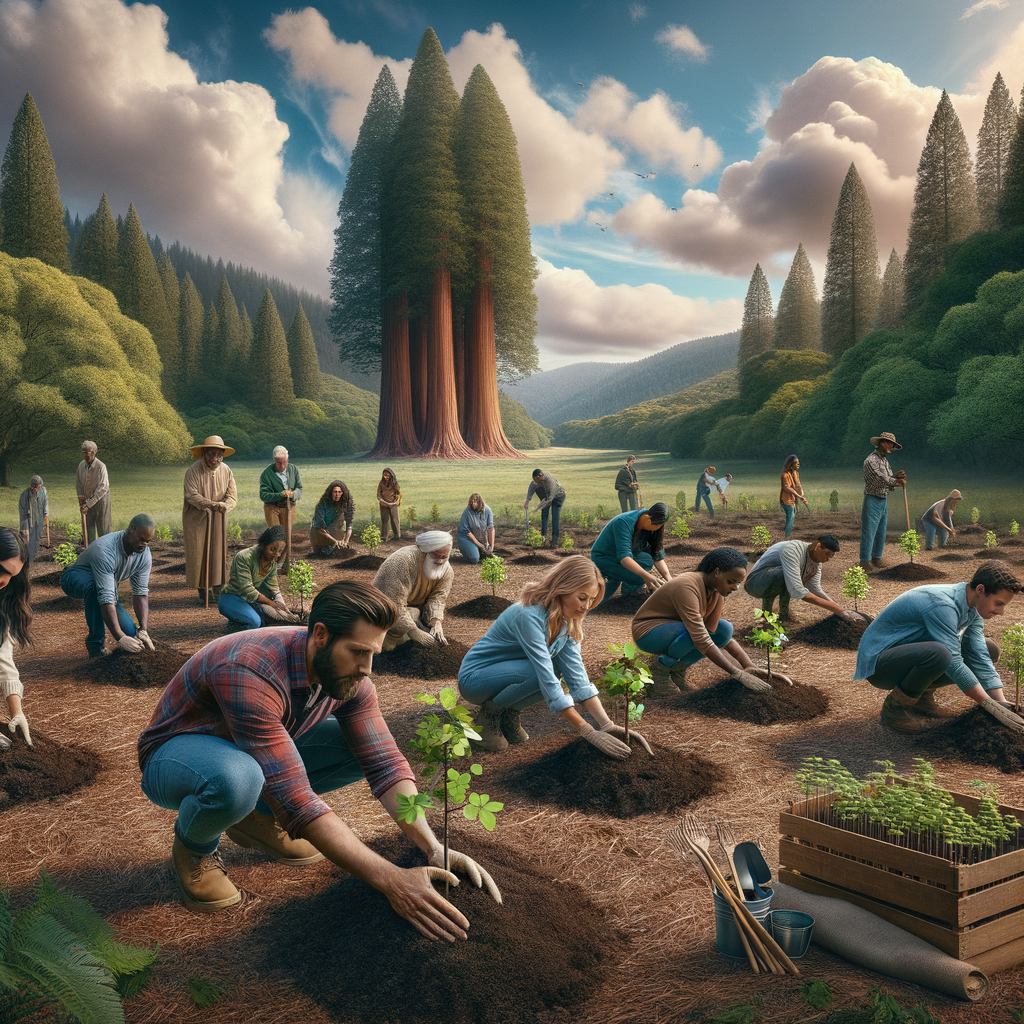
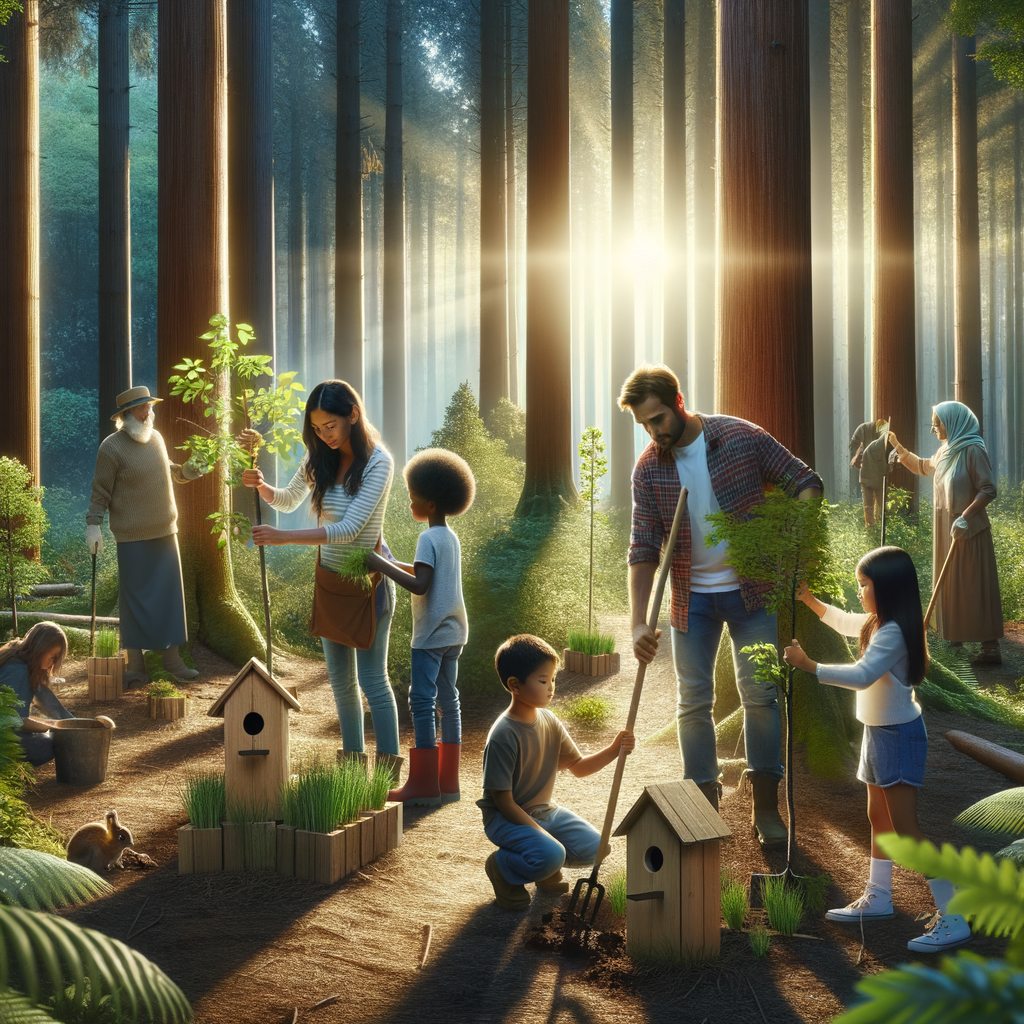
Participatory Workshops Focus on hands-on activities like planting trees, cleaning parks, or building birdhouses. These create direct connections to nature and spark teamwork.
-
Storytelling and Sharing Encourage people to share their personal experiences with nature. Stories foster empathy and deepen understanding about environmental issues.
-
Digital Engagement Use social media and online groups to extend the conversation beyond the event day. This keeps momentum alive and invites ongoing participation.
-
Feedback and Reflection After activities, gather input to learn what worked and what could improve. This feedback loop ensures future events are even better.
A Personal Story That Inspired Me
One event still stands out in my mind. We organized a winter Earth Day celebration with local families and schools focused on sustainable practices at home. Instead of lectures, we created interactive stations where kids learned to compost kitchen scraps, make simple energy-saving plans, and build reusable bags.
The energy was infectious. Parents exchanged tips. Children took pride in their new skills. That day not only raised awareness but empowered families to start small, manageable changes right away.
Overcoming Challenges
Earth Day events sometimes face obstacles—skeptical participants, limited resources, or logistical headaches. I learned that patience and showing up consistently matter most. Trust builds when people see your genuine commitment over time.
Balancing diverse opinions is another challenge. Not everyone agrees on the best actions. My approach is to listen carefully, mediate respectfully, and find common ground so progress is possible without leaving anyone behind.
Why Your Participation Matters
Celebrating Earth Day is not just for environmental groups or activists. It's something that touches every part of our lives—from the air we breathe to the food we eat. When communities unite around these causes, the ripple effects spread widely.
Engaging and educating together builds stronger, healthier neighborhoods. It creates a shared sense of purpose and hope for the future.
Final Thoughts and Call to Action
If you take away one thing from this, let it be this: start where you are. Listen more than talk. Be curious, open, and ready to act.
Earth Day celebration is more than a date. It is an invitation to connect, learn, and grow together. By investing yourself in these moments, you help build a world where knowledge leads to action, and action leads to change.
So join the movement this February. Organize a workshop, plant some greenery, share your story, or simply reach out and learn from your neighbors. Together, we can make every day Earth Day.
Let’s celebrate, educate, and inspire—because our planet deserves nothing less.