Drone-Assisted Tree Planting Tutorial Insights for March
When I first got involved in drone-assisted tree planting, I realized this method is changing how we restore forests on a large scale. It goes beyond traditional tree planting by combining technology and ecology in ways that boost efficiency and success rates. If you want to understand how drones are revolutionizing reforestation and how to use them effectively, this post is for you.
In this tutorial-style guide, I’ll share practical insights and key steps to help you get started with drone-assisted tree planting. From preparing seed pods to choosing the right equipment and managing the planting process, you will learn what works, what challenges to expect, and why this approach matters.
Why Drone-Assisted Tree Planting Is a Game-Changer
Let’s face it—restoring deforested land can be slow, expensive, and labor-intensive. Especially in remote or rugged terrain. Here is where drone planting steps in as a solution with real potential.
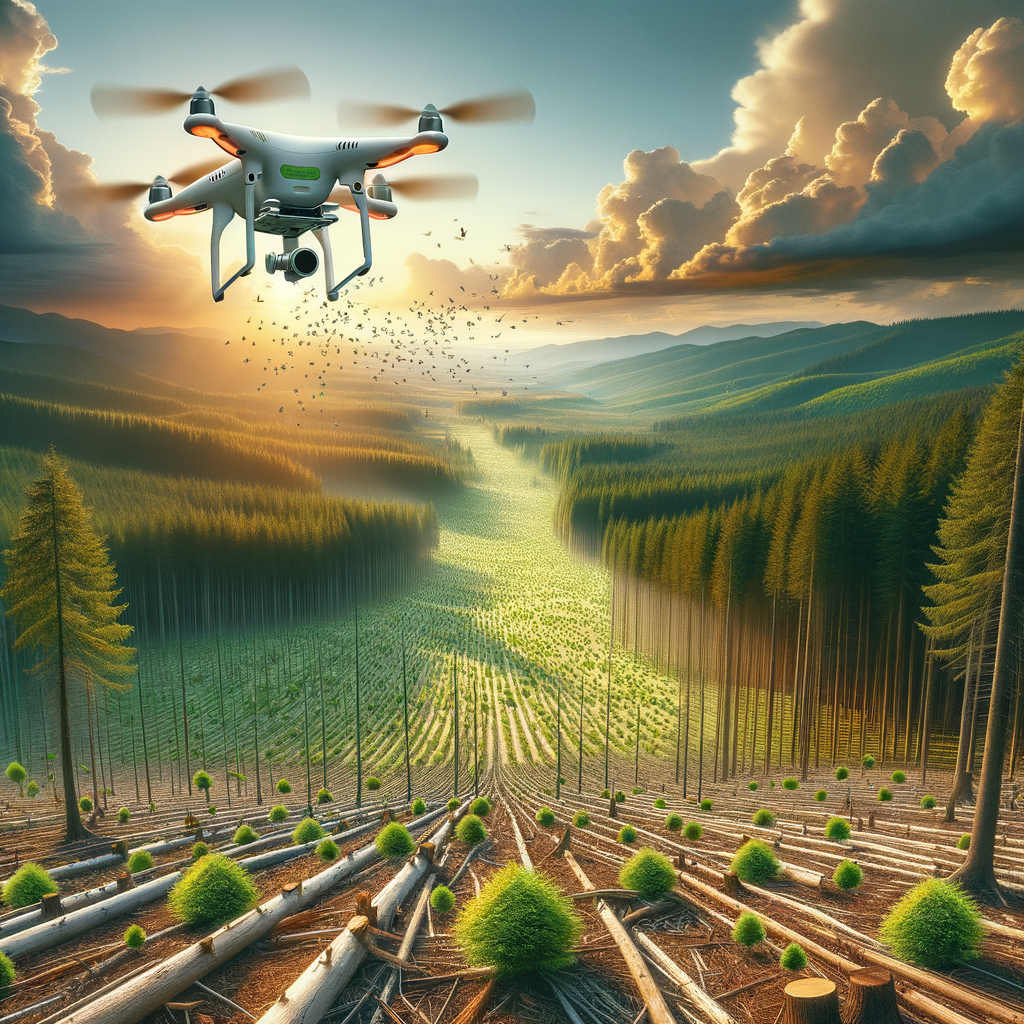
Drones can cover large, inaccessible areas quickly. They deliver seed pods directly into the soil at a level of precision that people on foot can’t match. This method is cost-effective compared to manual planting and supports ecosystem recovery at scale. Plus, it reduces human impact on fragile sites.
For me, seeing drones fly over barren landscapes to scatter seeds brings a sense of hope and progress. It is a perfect blend of technology working with nature.
Preparing for Drone-Assisted Tree Planting
Successful drone planting starts before the drone even takes off. Preparation is key to maximize germination and survival rates.
Seed Pod Formulation
Seeds used in drone planting are typically enclosed in nutrient-rich pods. These pods protect seeds during flight and improve chances of sprouting once on the ground. The pods often contain organic matter like clay, compost, and other natural materials.
Remember to choose native species adapted to your specific site conditions. Using local seed varieties enhances biodiversity and supports the ecosystem.
Site Assessment and Planning
Conduct a thorough site assessment. Know the terrain, soil type, existing vegetation, and climate challenges. This information guides seed selection and drone flight paths.
Mapping the planting area with GPS or GIS tools helps design an efficient seeding pattern. This step minimizes waste and maximizes coverage.
Choosing the Right Drone and Equipment
Not all drones fit the job. For tree planting, you need drones designed to carry and disperse seed pods. These come with specialized launchers or loaders.
Look for drones with sufficient payload capacity to hold many seed pods and a flight time long enough to cover your target area. Accuracy and ease of programming flight paths are also important.
I have seen drones equipped with automated seed dispersal mechanisms that drop pods on predefined coordinates. This precision reduces overlaps and gaps in planting.
Flight Operation Best Practices
Once the drone and seed pods are ready, it’s time to execute the planting flights.
- Calibrate the drone before every flight to ensure GPS accuracy.
- Check weather conditions; avoid windy or rainy days that can disrupt seed drops.
- Fly at optimal altitudes, usually between 10 to 30 meters, depending on the terrain and seed pod design.
- Use pre-programmed flight paths to maintain systematic seed distribution.
- Monitor real-time telemetry to catch and fix any issues during flight.
Record every flight’s data to analyze planting density and coverage afterward.
Overcoming Challenges in Drone Tree Planting
No method is without hurdles. During my experience, these challenges stood out:
- Seed pod durability: Pods must withstand the ejection force and landing impact without damage. Testing pod materials beforehand avoids losses.
- Variable terrain: Hills, dense brush, or rocky ground can complicate accurate seed drops. Adjust flight paths or use drones capable of terrain following.
- Seed predation and germination: Even with precise planting, seeds face threats from wildlife and environmental factors. Supplementary ground measures may be needed to protect young sprouts.
Addressing these challenges requires constant adaptation and thorough planning.
Monitoring and Measuring Success
Planting seeds is just the beginning. Tracking germination, seedling survival, and growth is essential to evaluate effectiveness.
Use drones equipped with cameras or multispectral sensors to conduct aerial surveys. Comparing imagery over time reveals how well your efforts are working. Additionally, ground checks complement remote sensing by confirming species establishment and soil condition.
For me, nothing beats the satisfaction of watching a once barren slope slowly reclaim life from a series of successful drone planting seasons.
The Future of Reforestation Technology
Drone-assisted tree planting is part of a bigger transformation in how we approach ecological restoration.
Emerging trends include:
- Integrating artificial intelligence for optimized flight planning.
- Combining drones with ground-based robotics for multi-layer planting.
- Enhanced data analytics for precise environmental monitoring.
As technology keeps evolving, I believe we will witness faster, smarter, and more sustainable forest recovery worldwide.
Closing Thoughts
Drone-assisted tree planting isn’t just about flying machines dropping seeds. It reflects innovation driven by necessity, creativity, and a genuine desire to heal our planet.
Whether you’re a reforestation practitioner, environmental advocate, or tech enthusiast, understanding this method provides a powerful tool to make real impact.
I encourage you to explore drone planting with careful preparation, patience, and respect for the ecosystems involved. Together, these efforts will help restore forests one seed pod at a time.
For more insights on green technology and environmental restoration, follow along as I share updates and practical advice on cutting-edge reforestation methods.
Let’s harness innovation and nature’s resilience to build a greener future.