Drone-Assisted Tree Planting Tutorial Insights for February
I have always been amazed by how nature bounces back. A bare patch of land turning into a lush green forest feels almost magical. Reforestation plays a huge role in this. But today, I want to zero in on one of the most exciting advancements in this field: drone-assisted tree planting. This method is transforming the way we restore forests, making it faster, smarter, and more efficient.
If you are here to learn how drones can help reforest our planet, or if you're an environmentalist, researcher, or just curious, this guide will share everything you need to know about this innovative approach.
Why Reforestation is Essential
Forests are the lungs of the planet. They absorb carbon dioxide, release oxygen, regulate climate, and support countless species. But deforestation is stripping these vital ecosystems away at an alarming rate. The need to reverse this damage has never been greater.
Reforestation offers hope. It is about bringing life back to damaged landscapes, preserving biodiversity, and mitigating climate change. But traditional tree planting methods come with challenges—time, labor, and scale.
That is where drone-assisted tree planting steps in.
What is Drone-Assisted Tree Planting?
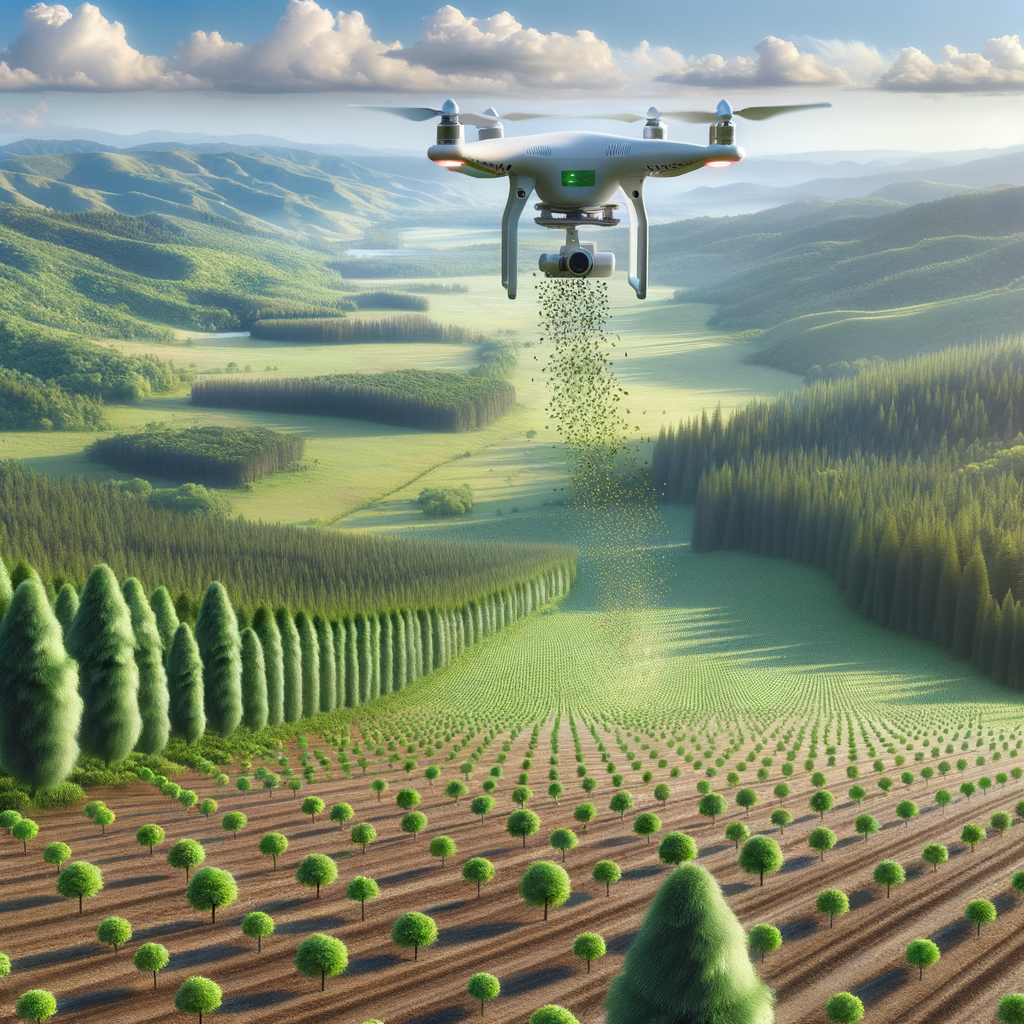
Simply put, this technique uses drones to plant seeds over large or difficult-to-reach areas. These unmanned aerial vehicles can carry thousands of seed pods or seed balls and release them in precise locations. The method saves time and money while increasing planting efficiency.
Imagine a drone flying over a deforested hillside, dropping seed pods enriched with nutrients and moisture-retaining materials. This approach ensures seeds have the best chance to germinate and grow.
How Drone-Assisted Planting Works: Step-by-Step Tutorial
Getting started with drone-assisted tree planting involves a few crucial steps:
1. Site Evaluation and Mapping
Before any planting, it's vital to assess the terrain and identify the best areas for seed dispersal. Using GIS and satellite imagery, one can map out zones where seeds are most likely to thrive. Drones themselves assist in this by capturing detailed aerial images.
2. Seed Selection and Preparation
You want to use seeds that are native to the area and suited to local conditions. The seeds are often packed into seed balls composed of clay, compost, and moisture-retaining materials. This packaging protects them from predators, drought, and harsh weather.
3. Drone Loading and Programming
The drone is loaded with seed pods. Operators program flight paths carefully, ensuring even distribution over the designated reforestation site. Some drones come equipped with advanced sensors and GPS to improve accuracy.
4. Seed Dispersal
The drone takes off and releases seeds along the programmed path. It can cover large areas in a fraction of the time manual planting requires. This means that remote or dangerous locations become accessible for reforestation.
5. Post-Planting Monitoring
After planting, monitoring is key. Using drones again for aerial surveys can help track seed germination rates, spot problems early, and guide any follow-up actions required to support growth.
Benefits of Using Drones in Reforestation
Drone-assisted tree planting offers many advantages over traditional methods:
- Speed and Scale: Drones can plant thousands of seeds in a day, far beyond what human planters can achieve.
- Cost-Effective: They reduce labor costs and the need for heavy machinery.
- Access to Difficult Terrain: Hillsides, wetlands, and areas with limited road access become reachable.
- Precision: GPS and sensors ensure seeds are spread evenly, preventing overcrowding and waste.
- Data Collection: Drones gather valuable information to track the health and progress of the reforested area.
Challenges to Consider
No technique is without challenges. Here are some to keep in mind:
- Seed Survival Rates: Not all seeds will germinate. Factors like soil quality, pests, and weather influence success.
- Technical Expertise: Operating drones requires trained personnel and maintenance.
- Initial Investment: Buying drones and setting up programs demands upfront costs.
- Regulations: Airspace rules vary by region and may affect drone use.
Despite these obstacles, the benefits often outweigh the drawbacks, especially when combined with traditional planting efforts.
Practical Tips for Effective Drone Tree Planting
If you are planning a drone-assisted reforestation project, here are some tips to boost your success:
- Choose native seed varieties suitable for your local climate.
- Prepare the soil or ground as much as possible before planting.
- Use seed balls enriched with nutrients and protective materials.
- Monitor weather conditions closely to avoid planting before drought or heavy rain.
- Combine drone planting with manual efforts in high-priority zones.
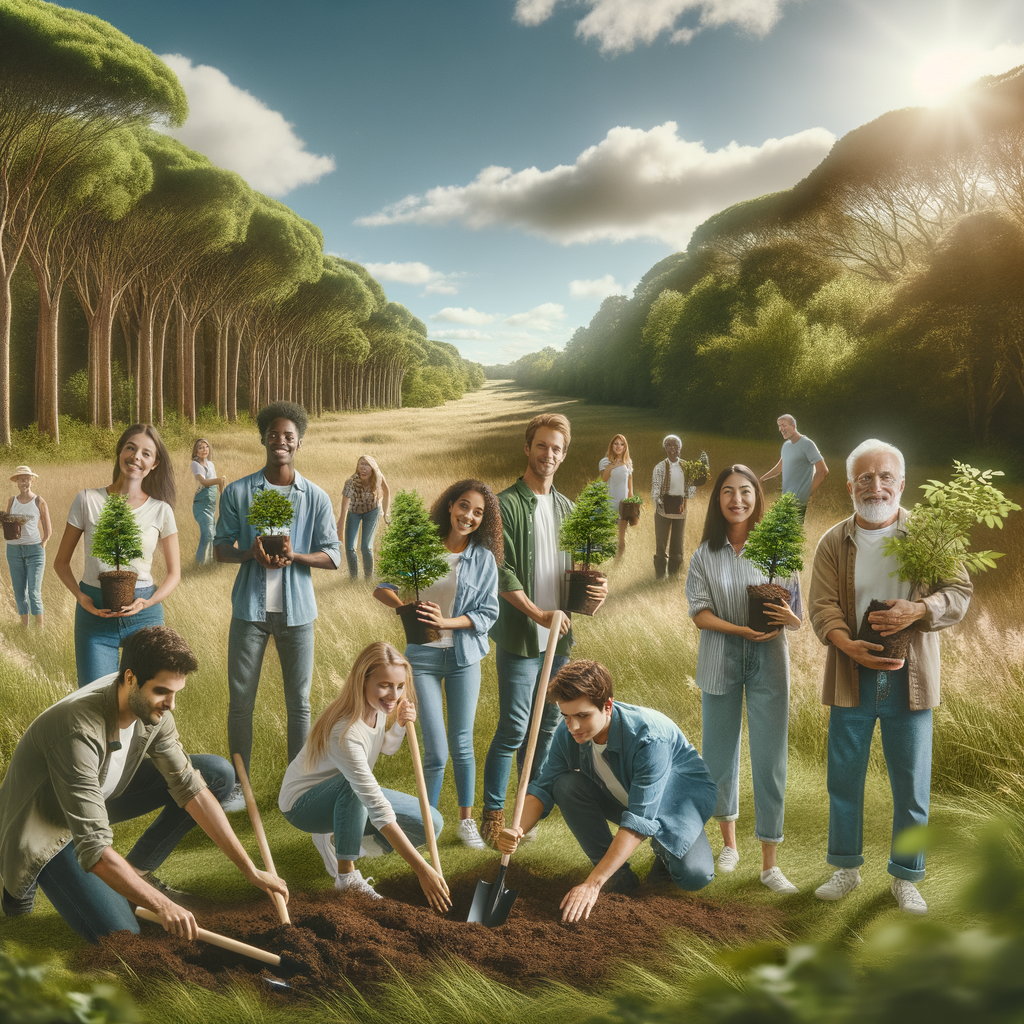
- Partner with local communities for ongoing maintenance and protection.
How You Can Support Drone-Assisted Reforestation
You don’t have to own a drone to make a difference. Here are a few ways to help:
- Support organizations that use innovative technologies for reforestation.
- Advocate for sustainable land management policies.
- Educate others about the potential of drone-based planting.
- Get involved in local or global tree-planting initiatives.
- Stay informed about new advancements and share success stories.
Every effort counts. Together, we can replant our world—one drone flight at a time.
Closing Thoughts
Watching drones soar through the sky, delivering seeds that will grow into future forests, feels like witnessing the future of environmental restoration. This blend of technology and nature is powerful. It opens new pathways to heal damaged lands at speeds and scales never before possible.
I firmly believe that drone-assisted tree planting will play a critical role in global reforestation efforts. It is efficient, scalable, and adaptable. More importantly, it reminds us that innovation and care for the environment can go hand in hand.
Thanks for reading. If you have questions about drone-assisted planting or want to share your experiences, please leave a comment below. Let’s plant the seeds of a greener tomorrow together.