Community Seed Collection Drives Insights for May
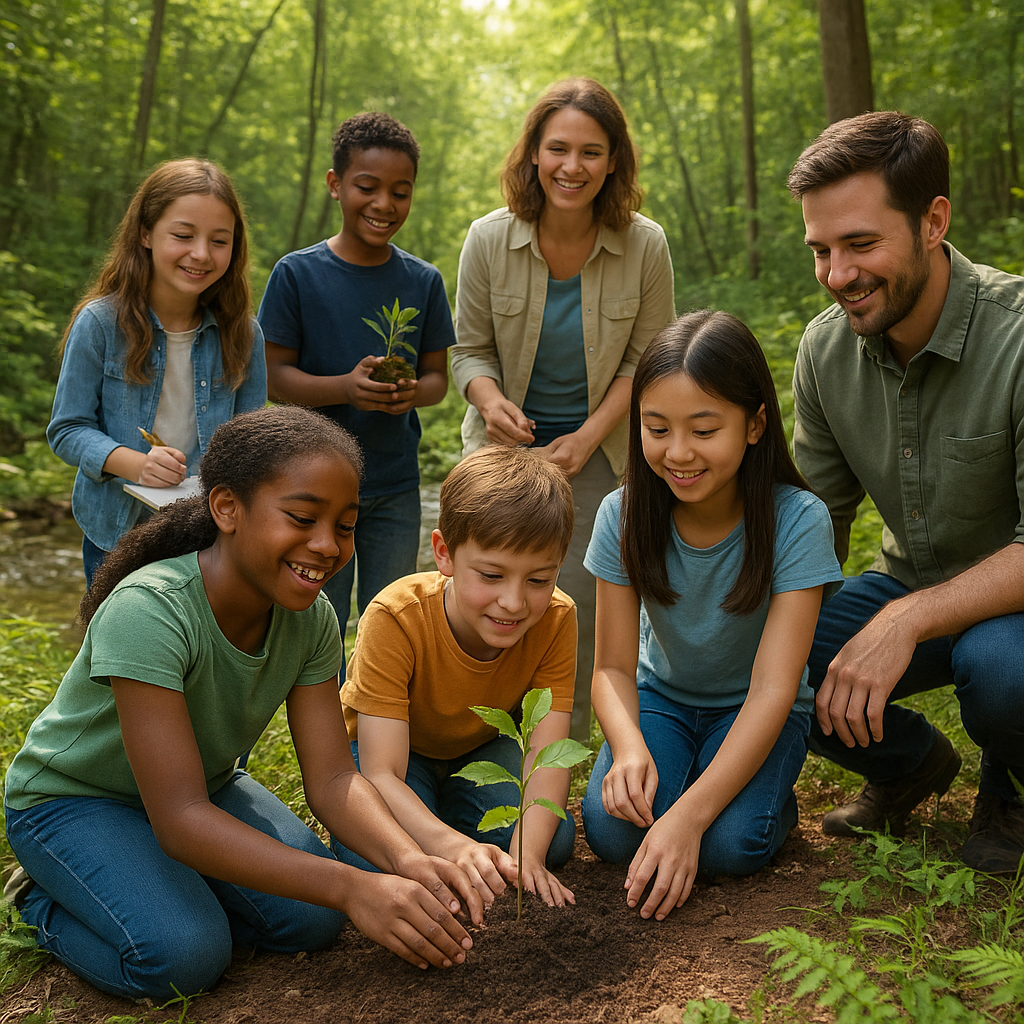
There is something truly inspiring about a community coming together with one clear goal: collecting seeds to bring life back to our forests. Over the years, I have seen firsthand how seed collection drives serve as the heartbeat of many successful reforestation projects. It is not just about gathering seeds; it is about empowering people, preserving local biodiversity, and setting the stage for healthy, resilient forests.
Why Community Seed Collection Drives Matter
Before plants even emerge, seeds hold the promise of tomorrow's forests. Forests cover about 31 percent of the earth's surface, yet ongoing deforestation threatens their future. Collecting seeds locally ensures that the trees planted are adapted to their environment, maintaining the area's natural balance.
Community involvement means:
- Preserving native species adapted to local climates and soils
- Supporting biodiversity by ensuring varied genetic material
- Building environmental awareness and stewardship in the community
- Reducing project costs by sourcing seeds locally instead of transporting them from afar
In my experience, these drives do more than provide seeds—they build connections and shared responsibility.
Organizing a Successful Seed Collection Drive
Several factors contribute to an effective and productive seed drive. Let me share some practical insights that have helped projects I have worked with thrive.
Educate and Engage the Community
People are more motivated when they understand the impact of their efforts. Hosting workshops or information sessions before the collection drives can make a significant difference. Simple messages about identifying seed types, seed viability, and storage go a long way.
Timing is Everything
Seeds don’t last forever. Knowing when seeds mature for different species guarantees freshness and higher germination rates. Planning collection drives according to seasonal seed drop patterns increases success.
Equip Collectors Properly
Having the right tools such as collection bags, gloves, and identification guides makes the process efficient and safe. Encouraging careful collection—only taking what is needed and avoiding damage to parent trees—protects natural regeneration cycles.
Quality Over Quantity
It can be tempting to gather as many seeds as possible. However, prioritizing healthy seeds from diverse sources improves genetic variation and long-term forest resilience. This quality-first approach is something I always stress in training sessions.
The Impact of Seed Drives on Reforestation Projects
Collecting seeds locally ties directly into reforestation success. Here is why it stands out:
- Seeds gathered from native species grow into trees suited to local environmental stresses, such as drought or pests.
- Diverse seed sources build forests resistant to disease and climate fluctuations.
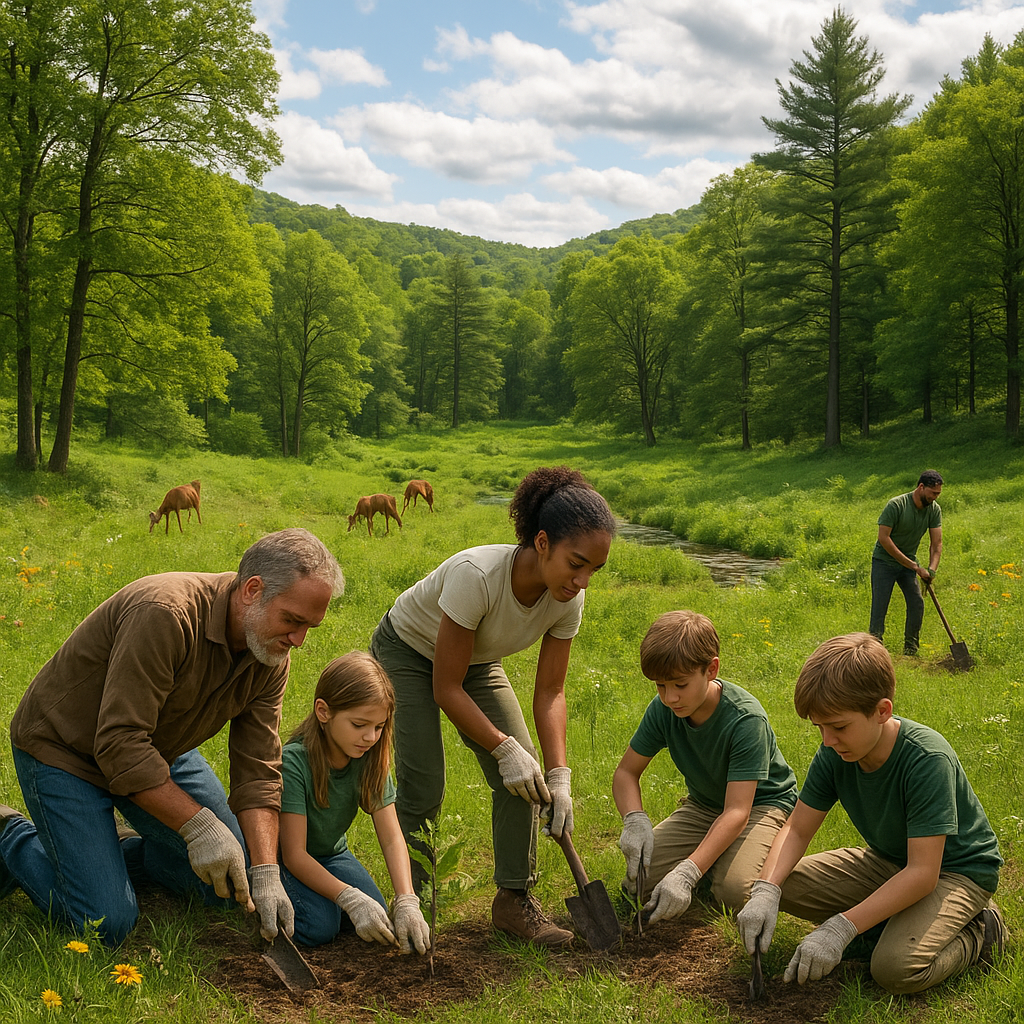
- Communities engaged in drives tend to take pride and offer continued care for planted areas.
I remember a project in a dry region where local seed collection was combined with community education about water conservation. The outcome was a forest that grew steadily against expectations and a community more committed to protecting their land.
Challenges and How to Overcome Them
Seed collection drives do face obstacles. From unpredictable weather to limited community participation, hurdles can slow progress. Yet every challenge brings a solution:
- Limited participation: Incentivize involvement with recognition programs or small rewards.
- Lack of knowledge: Provide training by partnering with local forestry experts or conservation groups.
- Seed predation or spoilage: Plan rapid collection and proper storage techniques, like drying seeds to preserve viability.
Through patient coordination, these issues can be addressed and turned into learning opportunities.
Enhancing Drives with Technology and Innovation
Although seed collection is hands-on and traditional, technology now plays a supportive role. Using apps to map seed sources and track collection data increases organization and transparency.
Creating local seed banks that store seeds safely and distribute them during planting seasons strengthens reforestation capacity over time. I highly recommend communities explore these modern assets to complement their efforts.
Final Thoughts: Seeds and Communities Are the Heart of Reforestation
Successful reforestation begins long before the first tree is planted. Community seed collection drives are where hope takes root—where hands gather the very foundation of new forests.
I have witnessed how these drives do more than provide seeds; they cultivate environmental respect, social unity, and lifelong commitment. If you want to see forests flourish, start by growing the drive within your community.
How You Can Get Involved Today
- Learn about native plants in your region and their seed times
- Organize or join local seed collection drives
- Volunteer with organizations focused on native seed conservation
- Share stories and knowledge to inspire others to participate
Together, these seeds from our efforts will grow into forests teeming with life and resilience.
Thank you for reading. Feel free to share your own experiences, questions, or tips in the comments below. The more we share, the stronger our forests will become.