Community Seed Collection Drives Insights for August
When I think about reforestation, what often gets overlooked is the vital role communities play in collecting seeds. Seed collection drives are more than just gathering materials—they are powerful grassroots efforts that breathe new life into our forests by tapping local knowledge and energy. This month, I want to share what I’ve learned about community-led seed collection and why it is a game-changer for restoring landscapes.
Why Community Seed Collection Matters
Forests cover nearly a third of Earth’s land and serve as essential carbon sinks, biodiversity havens, and climate regulators. Yet, deforestation and environmental damage have left many areas battered and lacking natural seed sources needed to regrow.
This is where local communities step in. When people come together to collect seeds from nearby native trees and plants, they help rebuild the natural genetic diversity that degraded areas desperately need. Seeds collected locally are often better adapted to the microclimate and soil conditions, which boosts the chances of survival for new forests.
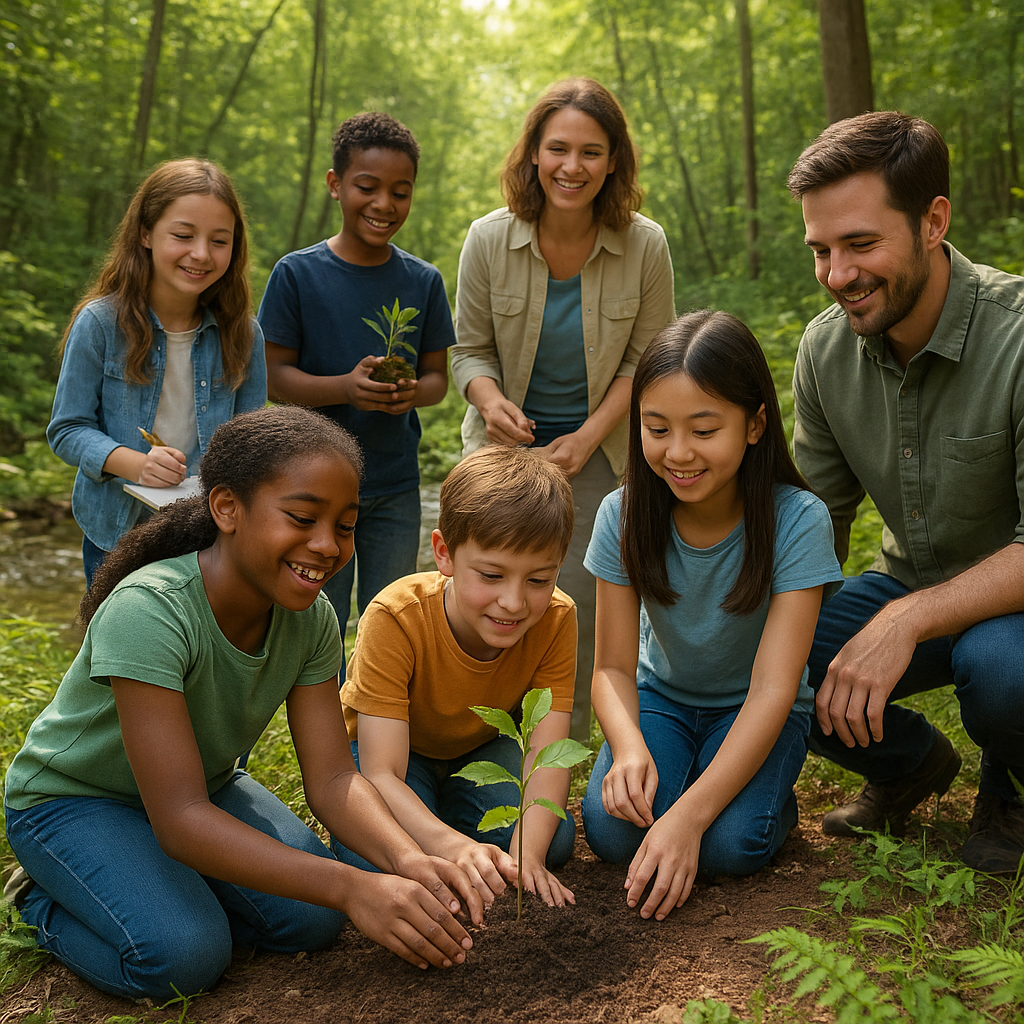
Community seed collection is not just about biology; it’s about empowering people. Getting involved creates a strong sense of stewardship and connects neighbors to long-term conservation goals. In a world where natural habitats are rapidly shrinking, this grassroots action is a beacon of hope.
How Community Seed Drives Work
Organizing a seed collection drive is a process that combines science with social engagement. Here’s a simplified rundown:
- Identifying Target Species: Communities work with ecologists or forestry experts to pinpoint native trees and plants vital for ecosystem recovery.
- Training and Education: Volunteers learn how to properly collect, clean, and store seeds to ensure viability.
- Field Collection: Groups spread out into forests, woodlands, or even urban tree patches to gather ripe seeds during peak seasons.
- Seed Processing and Storage: Once collected, seeds are cleaned, dried, and stored in conditions that maintain their health until planting time.
One thing I noticed is that timing is everything. Seeds must be collected right when they are mature; too early or too late can reduce germination rates dramatically.
Benefits Beyond the Forest
Besides maintaining biodiversity and aiding reforestation, community seed drives have far-reaching benefits:
- Education and Awareness: People gain hands-on knowledge about native species and ecosystem functions.
- Local Economy Boost: Seed nurseries and reforestation projects create jobs and skills training opportunities.
- Cultural Connection: Seed collection often revives traditional ecological knowledge passed down through generations.
- Climate Resilience: Diverse forests built from native seeds are better equipped to withstand climate change impacts like droughts and pests.
Common Challenges and How to Overcome Them
Like any community project, seed collection drives face hurdles. Some that I have seen include:
- Seed Identification Difficulties: Not everyone can easily tell which seeds belong to which species. Solution: partnerships with botanists or using mobile apps for plant ID.
- Limited Access to Seed Sources: Urbanization or agriculture may reduce available native trees. Solution: establish community orchards or collaborate with landowners for access.
- Seed Storage Constraints: Without proper facilities, seeds may lose viability quickly. Solution: develop low-cost, simple storage setups with moisture control.
- Volunteer Coordination: Keeping volunteers motivated can be tough over months. Solution: regular updates, recognition programs, and community events help sustain engagement.
Amplifying Impact Through Partnerships
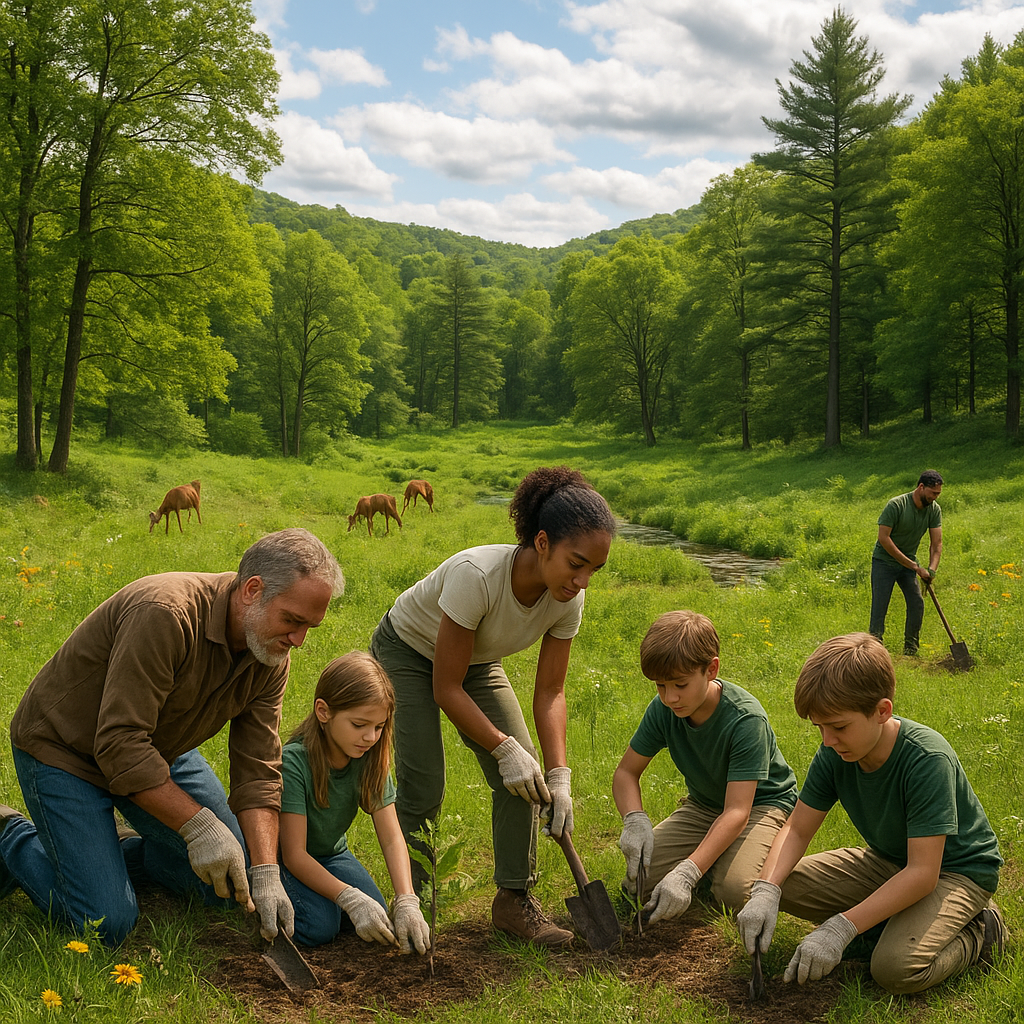
Effective seed drives often work best when multiple stakeholders unite. Local governments, NGOs, schools, and businesses can all contribute funds, expertise, and manpower. I’ve observed that partnerships enable scaling efforts from a single neighborhood to entire watersheds, maximizing ecological benefits.
Remote sensing and drones have started to support these drives by identifying seed-rich areas and monitoring restored zones. Although tech adds value, I believe the foundation remains community spirit and knowledge.
Final Thoughts on Community Seed Collection Drives
Reforesting the planet is complex and often expensive, but community seed collection offers a low-cost, high-impact way to restore forests one seed at a time. It’s a testament to what people can achieve when motivated by a common purpose.
The seeds we collect today could grow into the towering forests of tomorrow that clean our air, shelter wildlife, and protect communities from climate extremes. If you’re passionate about making a difference, consider joining or organizing a seed drive in your area. Together, we can plant the future.
For more insights on local conservation efforts and reforestation techniques, stay connected. Every seed counts.