Citizen Science Tree-Health Monitoring Insights for December
When I first learned about community engagement and education through citizen science, especially tree-health monitoring, it changed how I see the world and my role in it. This work goes far beyond just collecting data. It is about connecting with nature, empowering people, and making a lasting environmental impact. I want to share my journey, experiences, and why citizen science in tree-health monitoring matters now more than ever.
What Citizen Science Tree-Health Monitoring Means to Me
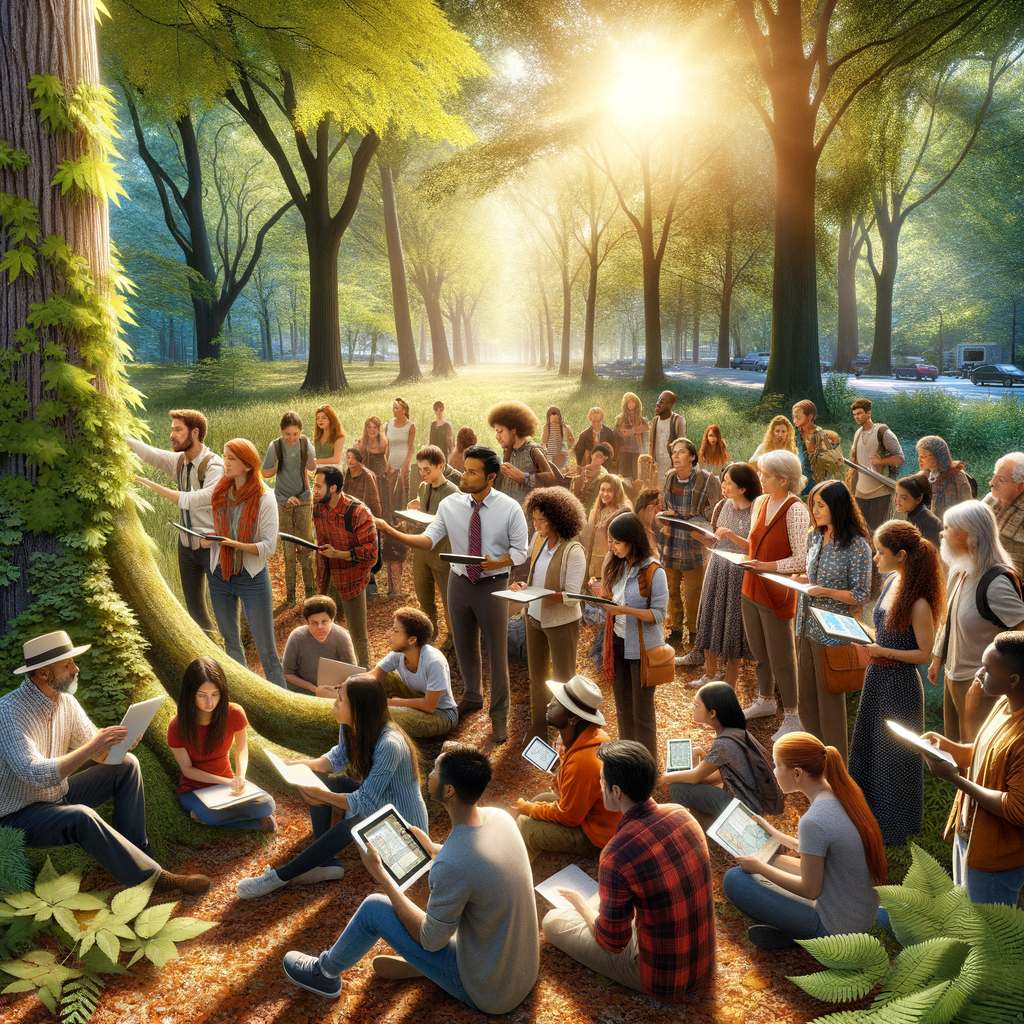
Citizen science brings everyday people together to observe, record, and protect the natural world. Specifically, tree-health monitoring focuses on tracking the wellbeing of trees in our communities. For me, this means:
- Engaging neighbors to spot signs of disease, pests, or environmental stress.
- Sharing knowledge that helps us understand local ecosystems.
- Building a community of stewards who care deeply about their surroundings.
By working side by side with scientists and local groups, citizen scientists help gather valuable information that shapes better strategies for urban forestry and conservation.
Why I Chose to Get Involved in Tree-Health Monitoring
At first, I was mostly interested in the environment but didn’t know how to make a difference. Then I joined a local project tracking tree conditions across town in December when changes are subtle but critical. That experience was eye-opening.
Walking through neighborhoods, learning to identify early warning signs of tree decline, I saw how informed citizens can spot problems before they become widespread. More importantly, I connected with people who wanted to protect their green spaces but felt powerless. Together, we turned data collection into action and hope.
Principles That Guide My Work in Citizen Science
1. Listen and Learn from the Community
People around the trees know their history, challenges, and changes the best. Listening to their observations helps create a clearer picture of tree health.
2. Promote Inclusivity
Tree monitoring belongs to everyone. Young or old, experts, beginners, or those new to nature study — all perspectives matter.
3. Be Transparent and Build Trust
Sharing why we collect data, how it will be used, and keeping communication open drives sustained participation.
4. Empower Rather Than Just Inform
The goal is to equip people with skills and confidence so they can advocate for healthier urban forests long-term.
Real-World Impact of Tree-Health Monitoring Projects
Citizen science projects are more than numbers. I have seen communities transform when people step up together. Here are some highlights:
- Early Identification of Tree Diseases: Volunteers detected unusual leaf discoloration and bark damage early. That alert helped city officials manage outbreaks before they spread widely.
- Data Supporting Urban Planning: Our collected information influenced decisions about tree planting, pruning, and care—making green spaces more resilient to harsh winters and climate change.
- Building Strong Connections: Weekly monitoring walks turned into social events, forging friendships and a culture of care around trees.
Challenges Encountered and How I Overcame Them
Nothing progresses without hurdles:
- Resistance sometimes appears, especially if tree care decisions affect other interests. I found patience and clear communication essential.
- Limited funding and volunteer time require creative scheduling and tapping into local partnerships with schools and community groups.
- Diverse languages and weather conditions pose barriers. Working closely with community leaders helped adapt activities to be welcoming and accessible.
Tips to Anyone Interested in Citizen Science Tree-Health Monitoring
Ready to get involved? Here are some lessons I learned the hard way:
- Start by observing trees in your own neighborhood. Small steps count.
- Connect with local environmental groups or city forestry departments. They often have citizen science initiatives.
- Use simple tools and apps designed for easy data entry.
- Share your discoveries online or at community meetings to build momentum.
- Keep learning about tree species, pests, and seasonal changes to strengthen your impact.
Why Tree-Health Monitoring Matters More Than Ever
Urban trees face unprecedented stressors — from extreme weather to invasive pests and pollution. Monitoring their health through citizen science is a powerful way to respond quickly and effectively.
But it is not just about trees. This work strengthens community ties, nurtures environmental awareness, and sparks local activism. In a disconnected world, gathering around a shared purpose like protecting trees provides hope and resilience.
Final Thoughts
My involvement in citizen science for tree-health monitoring has been both grounding and inspiring. Every time I survey a tree, talk with a neighbor, or enter data, I am reminded how ordinary people hold extraordinary power to drive change.
People matter. Trees matter. Together, through engagement and education, we can create greener, healthier communities that stand strong for generations.
What about you? Have you tried citizen science in your area? I would be glad to hear your stories or questions. Feel free to connect and share below.
Join the conversation and help us protect the trees that protect us.