Choosing Native Tree Species Insights for September
When I first encountered the idea of reforestation, I realized it is far more than simply planting trees. Reforestation is about restoring ecosystems, fighting climate change, and rebalancing a world that has been altered by human hands over centuries. This is a delicate blend of science, art, and patience. In this post, I want to focus specifically on one crucial pillar of successful reforestation: choosing native tree species.
Why Native Tree Species Matter in Reforestation
Native trees are the backbone of healthy forests. They evolved to thrive in local climates and soils and support native wildlife. When you plant native species, you are planting more than trees—you are planting habitats, resilience, and future stability.
The benefits are clear:
- Native species typically have better survival rates.
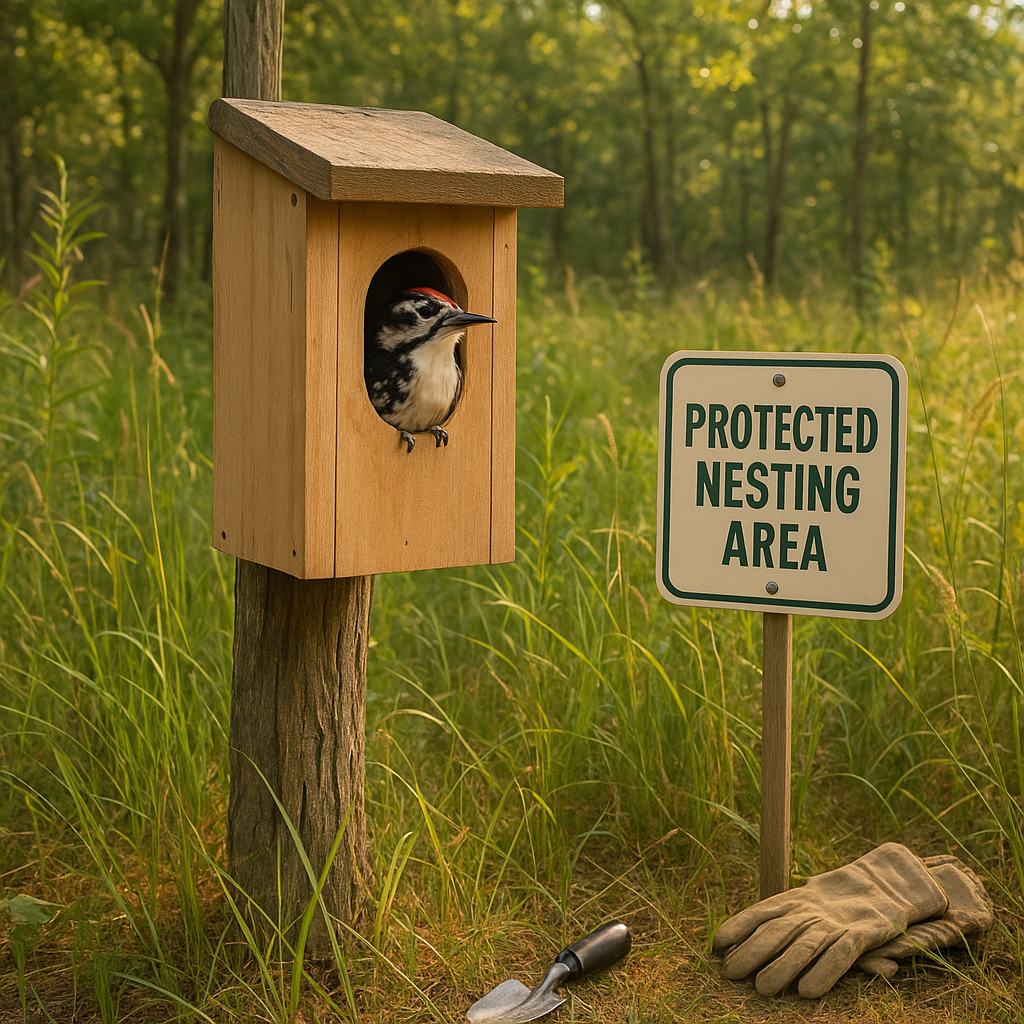
- They support the local biodiversity, from birds to insects.
- They maintain soil health naturally.
- They ensure forests remain connected to their regional ecosystems.
On the other hand, using non-native species can cause unexpected problems like invasive growth or disrupting soil nutrients. Choosing native species is a foundational step that sets the stage for long-lasting success.
Selecting Native Trees: What I’ve Learned
Choosing the right native trees is more than picking from a list. You must consider the site, the intended purpose of reforestation, and the future climate. Here’s what I focus on:
Understand the Local Ecosystem
Before planting, I spend time researching the area’s natural conditions. Soil type, rainfall, temperature ranges, and existing vegetation all influence which trees will thrive. Sometimes even microclimates within a small region call for different species.
Prioritize Biodiversity
Planting a mix of native species rather than a single one helps create a stable and resilient forest. Diversity reduces risks from pests, diseases, and climate variability.
Consider Growth Rates and Purpose
Fast-growing natives are great for carbon capture and erosion control but may not support all wildlife. Slower-growing trees often build deeper root systems and complex habitats over time. My approach balances these traits depending on the project goals.
How I Incorporate Native Species in Reforestation Techniques
I have worked with various reforestation methods, from natural regeneration to planting seedlings, always keeping native species at the core.
- In natural regeneration, protecting areas encourages native trees to grow back naturally.
- With direct seeding, distributing locally sourced native seeds boosts germination and survival chances.
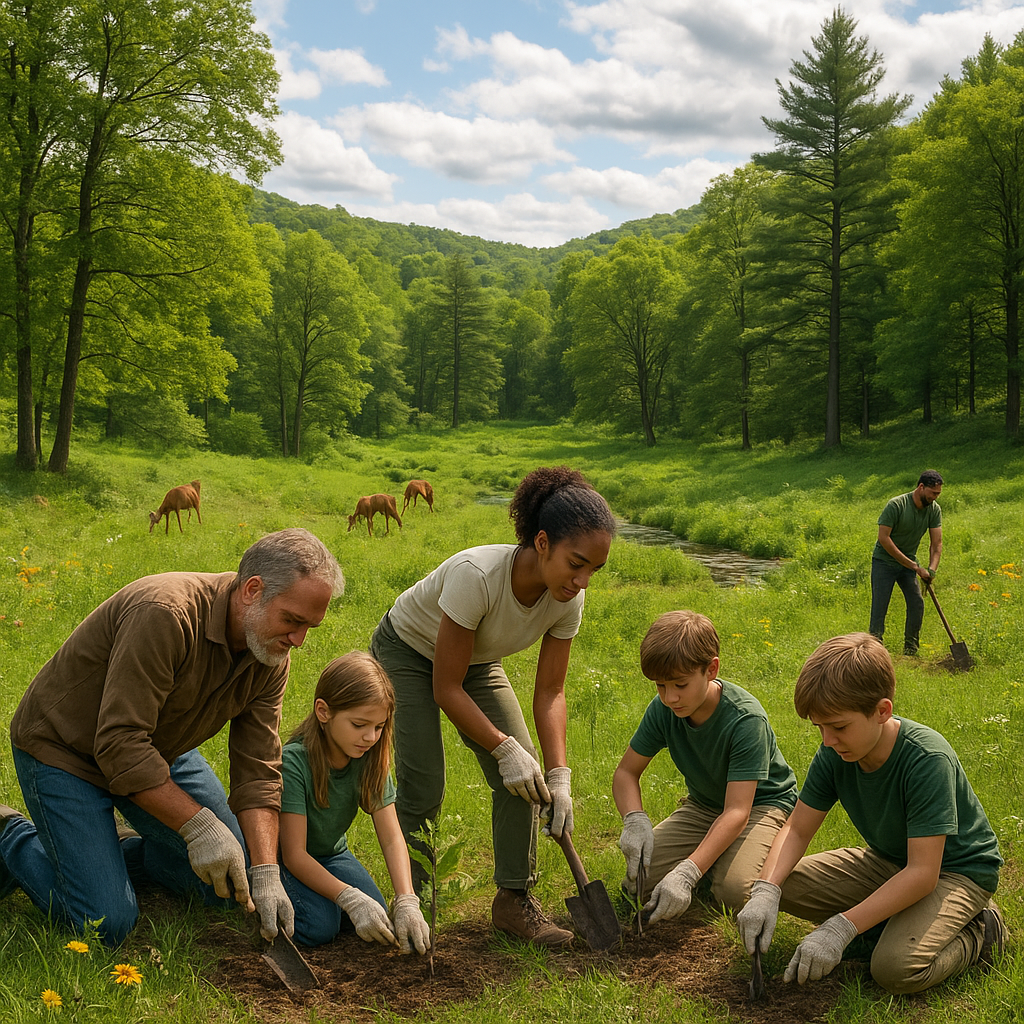
- Planting seedlings from native species grown in nurseries allows precise control over forest composition.
- Agroforestry projects thrive by using native trees that improve soil and coexist with crops.
- Assisted migration must also respect native principles by selecting species suited to future local conditions while avoiding harmful impacts.
The Bigger Picture: Care and Community
Selecting native species is just the start. Proper soil preparation, maintenance, and ongoing monitoring matter just as much.
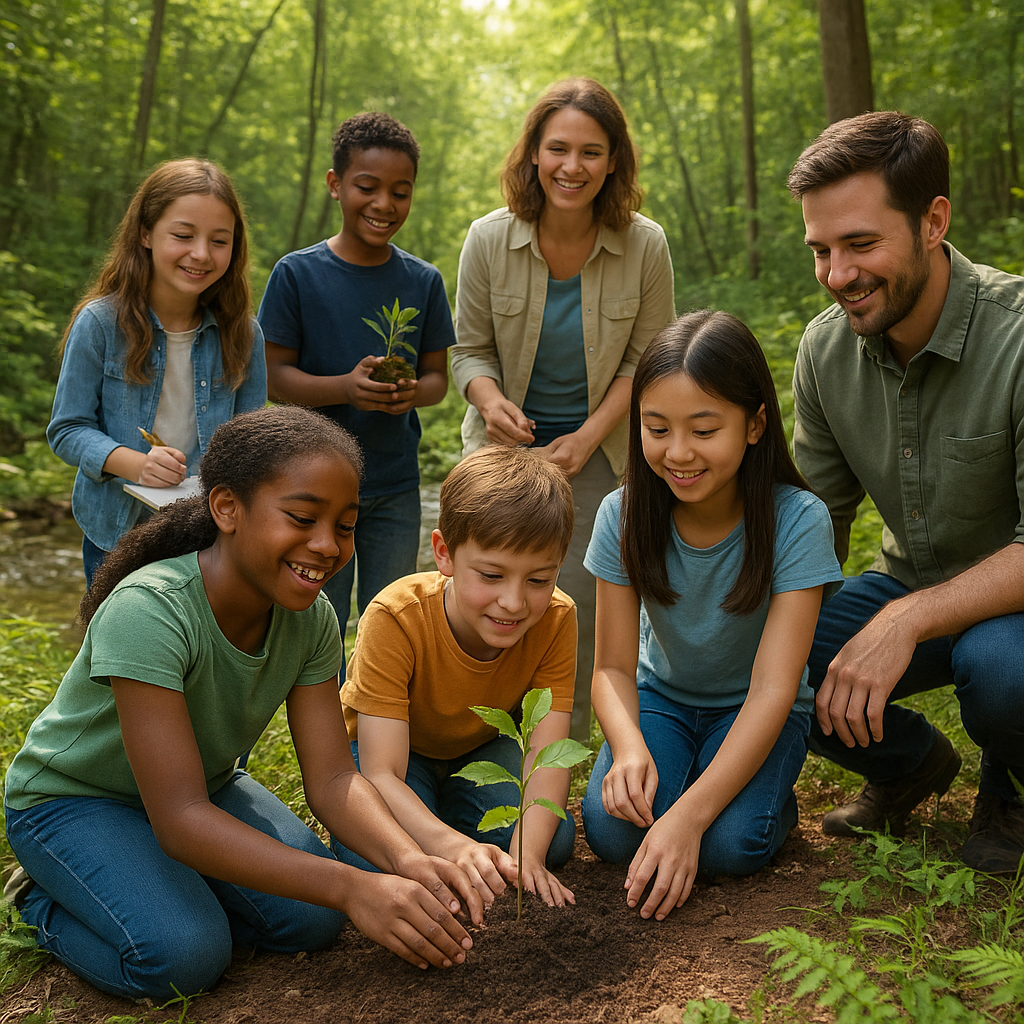
I have learned that involving local communities who know the land intimately is a game changer. Their ecological knowledge enriches reforestation efforts and ensures long-term success. This collaboration honors the land and its people.
Final Thoughts: A Commitment to Native Forests
Choosing native tree species is not only best practice—it is a commitment to restoring land with respect and insight. Reforestation will always be a living, evolving journey, requiring patience and care.
If you want to make a real difference, start by learning about your local native trees. Plant them thoughtfully and watch as ecosystems come alive.
Every native tree planted carries the promise of a stronger, healthier future. And that is a cause worth every effort.
Ready to begin? Explore native species lists for your area, connect with local forestry groups, and maybe join a reforestation project this September. Nature will welcome your help.