Best Sapling Planting Methods Insights for May
Planting saplings is more than just digging holes and dropping seedlings into the earth. It is a crucial step in restoring our forests, improving ecosystems, and battling climate change. Over the years, I have gained hands-on experience with various sapling planting methods, and today, I want to share what I consider the most effective approaches for successful reforestation.
Why Sapling Planting Matters
Sapling planting is a cornerstone of reforestation efforts worldwide. While natural regeneration and direct seeding have their places, planting nursery-grown saplings consistently offers higher survival rates and faster establishment. Young trees that already have a developed root system and acclimatized growth have a better shot at thriving.
However, not all sapling planting methods yield the same results. Understanding which technique fits the environment and species is key. Let me guide you through the top sapling planting methods that have proven efficient and impactful in my experience.
Top Sapling Planting Methods
1. Traditional Hole Planting
This is the classic method. You dig a hole roughly twice the size of the sapling’s root ball, place the sapling in, and backfill with soil. Simple, right? But the devil is in the details.
- Loosen the soil around the hole to encourage root spread.
- Ensure the sapling’s root collar is at ground level; planting too deep or shallow harms growth.
- Water immediately to reduce transplant shock.
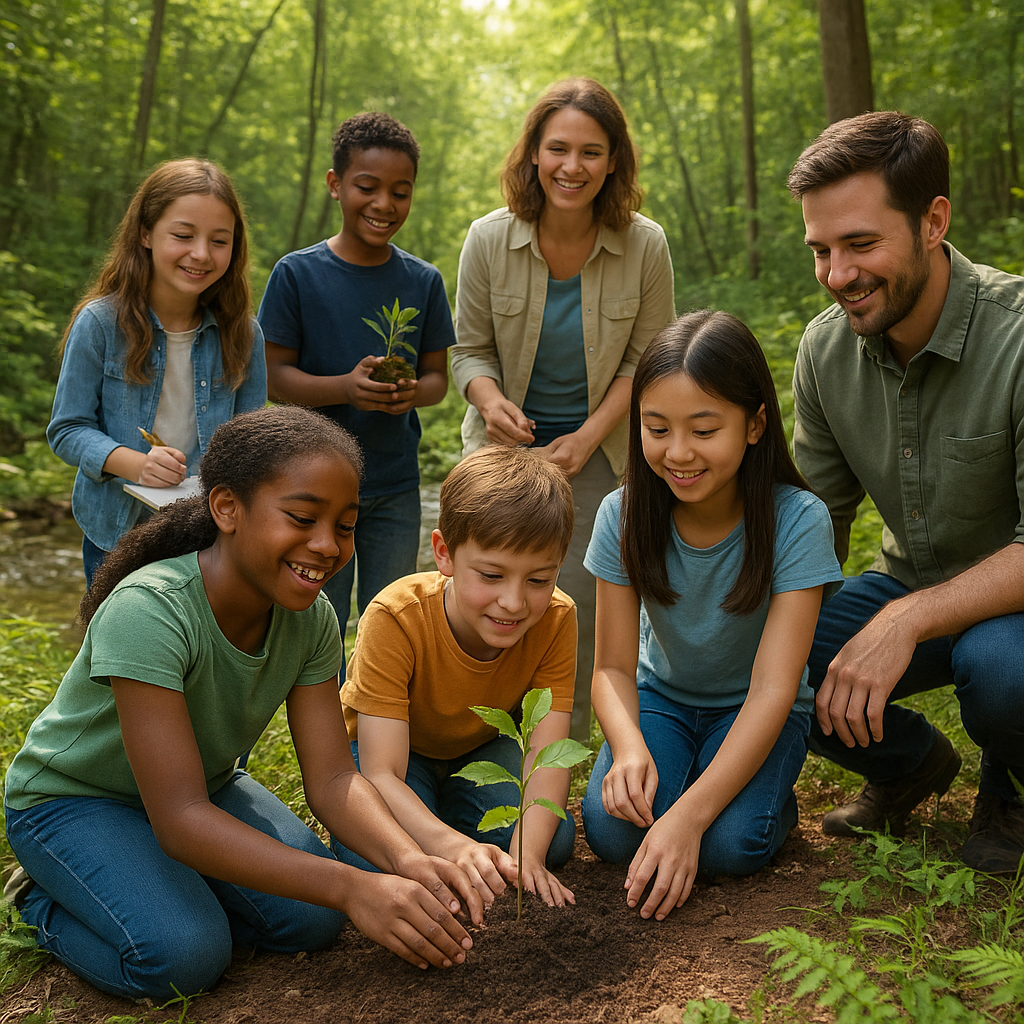
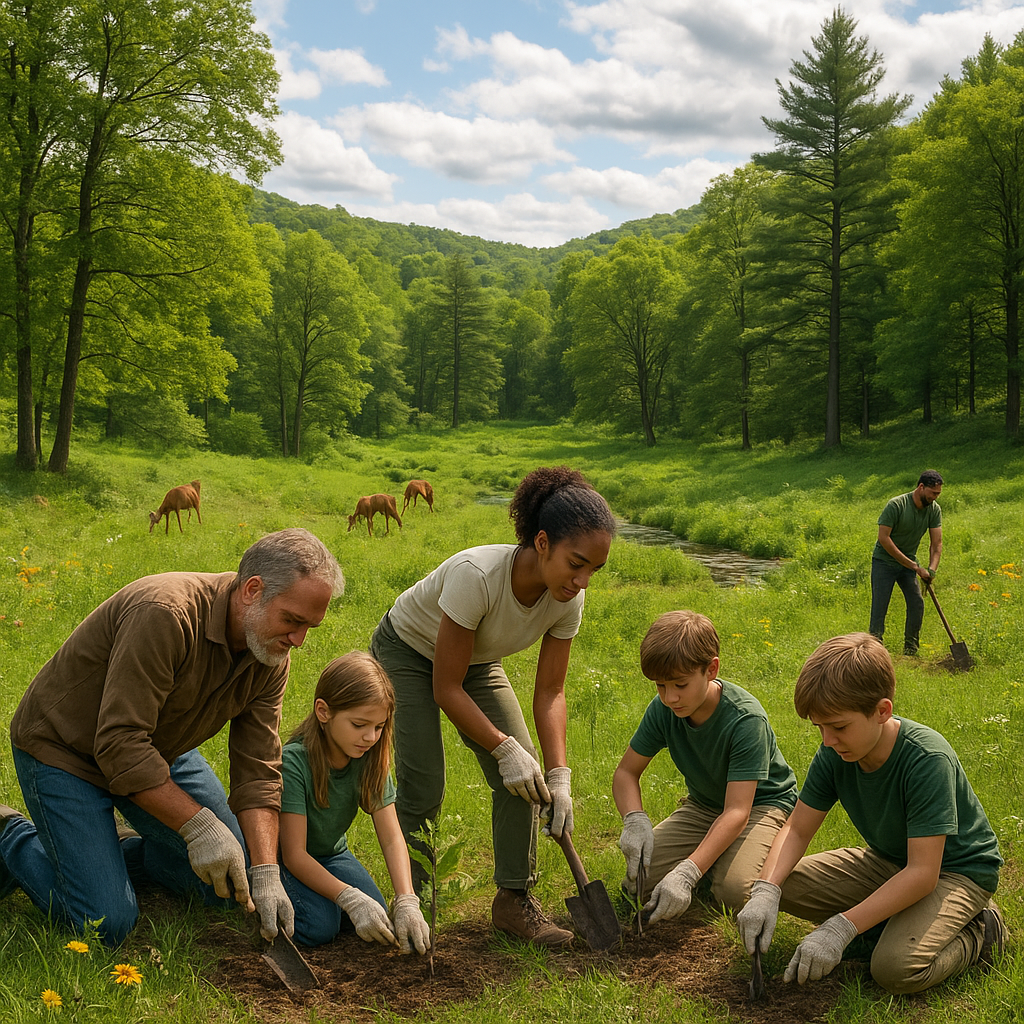
I often recommend this method for small plots or community-driven projects with volunteers. It requires patience and consistent care after planting.
2. Pit Planting with Soil Amendments
In degraded soils or dry areas, adding organic matter or fertilizers to the planting pit significantly boosts sapling survival. This approach involves mixing compost, well-rotted manure, or biochar with native soil before planting.
- Improves moisture retention.
- Provides essential nutrients.
- Stimulates beneficial microbial activity.
I have seen saplings grow more vigorously using pit planting in challenging environments, but it demands upfront labor and resources.
3. Mechanical Planting with Tree Planters
For larger-scale efforts, specialized planting machines allow saplings to be planted efficiently, especially in remote or steep terrain. These devices create a hole, insert the sapling, and compact the soil in one motion.
- Speeds up planting.
- Reduces manual labor.
- Maintains consistent planting depth.
While the initial investment is high, mechanical planting pays off in terms of coverage and speed. For organizations managing extensive reforestation projects, it’s a game changer.
4. Polybag and Root Trainer Seedlings
Using seedlings grown in polybags or root trainers ensures the root system remains intact and undisturbed at planting time. These containers guide roots downward, preventing the common problem of root circling seen in traditional nursery beds.
- Higher survival rates.
- Stronger saplings.
- Easier transport and handling.
I have found that these seedlings perform well in both nursery settings and field plantations, especially when combined with proper acclimatization.
5. Mycorrhizal Inoculation at Planting
Adding mycorrhizal fungi to sapling roots during planting significantly enhances nutrient uptake and drought resistance. This symbiotic relationship is vital for many native species.
- Boosts root development.
- Enhances stress tolerance.
- Promotes long-term growth success.
Though this method requires specific knowledge and materials, I consider it an investment that greatly improves sapling establishment, particularly in poor soils.
Essential Tips for Successful Sapling Planting
No matter the method you choose, some universal best practices can make or break the success of your planting effort:
- Site preparation is critical. Clear competing vegetation and loosen soil well ahead of planting.
- Timing matters. Plant saplings during the rainy season or just before to maximize water availability.
- Watering post-planting is non-negotiable. Young saplings are vulnerable to drought stress.
- Protect saplings from grazing and pests. Fencing or tree guards go a long way.
- Monitor and maintain the site. Regular care ensures early problems are quickly addressed.
Wrapping Up
Sapling planting is both an art and a science. The best methods depend on the local environment, soil conditions, species planted, and the resources at hand. From traditional hole planting to mycorrhizal inoculation, each approach offers unique strengths that can be tailored to specific projects.
For May and every planting season ahead, focusing on proven sapling planting methods will give your reforestation efforts the best chance at success. Watching a tiny sapling grow into a robust tree is profoundly rewarding and vital for our planet’s future.
If you have tried any of these methods or have insights from your own experiences, I’d love to hear your stories. Together, we can keep growing healthier forests and a greener world—one sapling at a time.