Amphibian Habitat Recovery Insights for June
There is something deeply rewarding about witnessing a fragile wetland or pond return to life—buzzing with frogs, salamanders, and all kinds of amphibians. Amphibian habitat recovery goes far beyond simply fixing a pond or planting aquatic plants. It’s about restoring the perfect conditions where these sensitive creatures can thrive again. Over time, I have come to understand how critical it is to protect and rebuild amphibian habitats, not only for their survival but for the health of ecosystems and even human well-being. Let me share what I have learned about this delicate but powerful process.
What Is Amphibian Habitat Recovery?
Amphibian habitat recovery is the process of restoring environments that have been damaged or lost, in a way that supports the unique needs of amphibians like frogs, toads, and salamanders. These animals depend on clean water, native vegetation, and safe breeding spots. When habitats are degraded through pollution, development, or invasive plants, amphibians often disappear or decline sharply.
Recovery means healing the land and water so native amphibian populations can return and grow strong. It is like tuning an ecosystem back to its natural rhythm — every pond, wetland, or stream edge plays a crucial role.
Why Amphibian Recovery Is Vital
Why focus on amphibians? They might be small, but their importance is huge.
1. Amphibians Indicate Environmental Health
Amphibians are often called nature’s canaries. Their thin skin makes them highly sensitive to changes in water quality and pollution. If amphibians are struggling, it usually means something is wrong with the ecosystem as a whole. Restoring their habitats often benefits countless other species and improves overall water purity.
2. Supporting Biodiversity
Many amphibian species are threatened worldwide. Habitat loss is a leading cause. By restoring breeding ponds and surrounding vegetation, we give these animals the chance to rebound. That helps stabilize local food webs and maintain healthy biodiversity.
3. Ecosystem Services
Amphibians play key roles as both predators and prey. They help control insect populations, including pests like mosquitoes, and serve as food for birds, fish, and mammals. Healthy amphibian populations mean a more balanced and resilient ecosystem.
The Recovery Process: Steps Toward Thriving Amphibian Habitats
This process takes care, patience, and a mix of science and observation.
Step 1: Careful Site Assessment
Every successful habitat recovery starts with understanding the site. What amphibian species once lived here? What is the current water quality? Are invasive plants or pollutants present? We set clear goals based on these questions to guide restoration efforts effectively.
Step 2: Removing Barriers to Life
Too often, invasive species or pollution block recovery before it begins. Removing invasive plants that crowd out native species is crucial. Sometimes water flow needs fixing — clogged ponds or altered streams can ruin breeding grounds. I have seen dramatic improvements simply by restoring natural water patterns.
Step 3: Reintroducing Native Plants and Water Features
Planting native aquatic and shoreline vegetation provides shelter and food for amphibians. Recreating shallow pools or gently sloping pond edges is essential for amphibian breeding success. In some cases, carefully timed controlled burns or thinning vegetation helps mimic natural processes that amphibians depend on.
Step 4: Monitoring and Adaptive Management
Recovery is not a one-and-done deal. Ongoing monitoring reveals what works and what doesn’t. Amphibian populations can be unpredictable. Flexibility and patience are key to adjusting management practices for the best outcomes.
Real-World Success Stories That Show What’s Possible
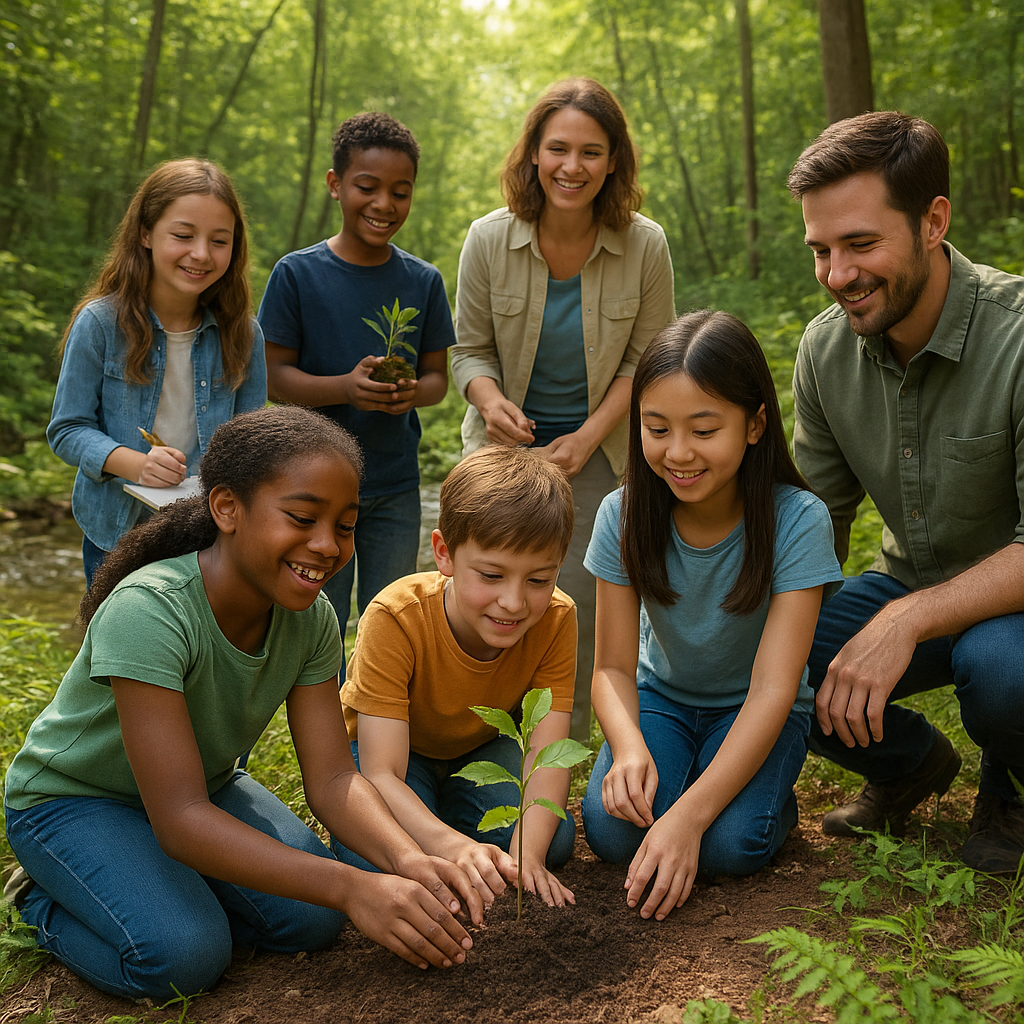
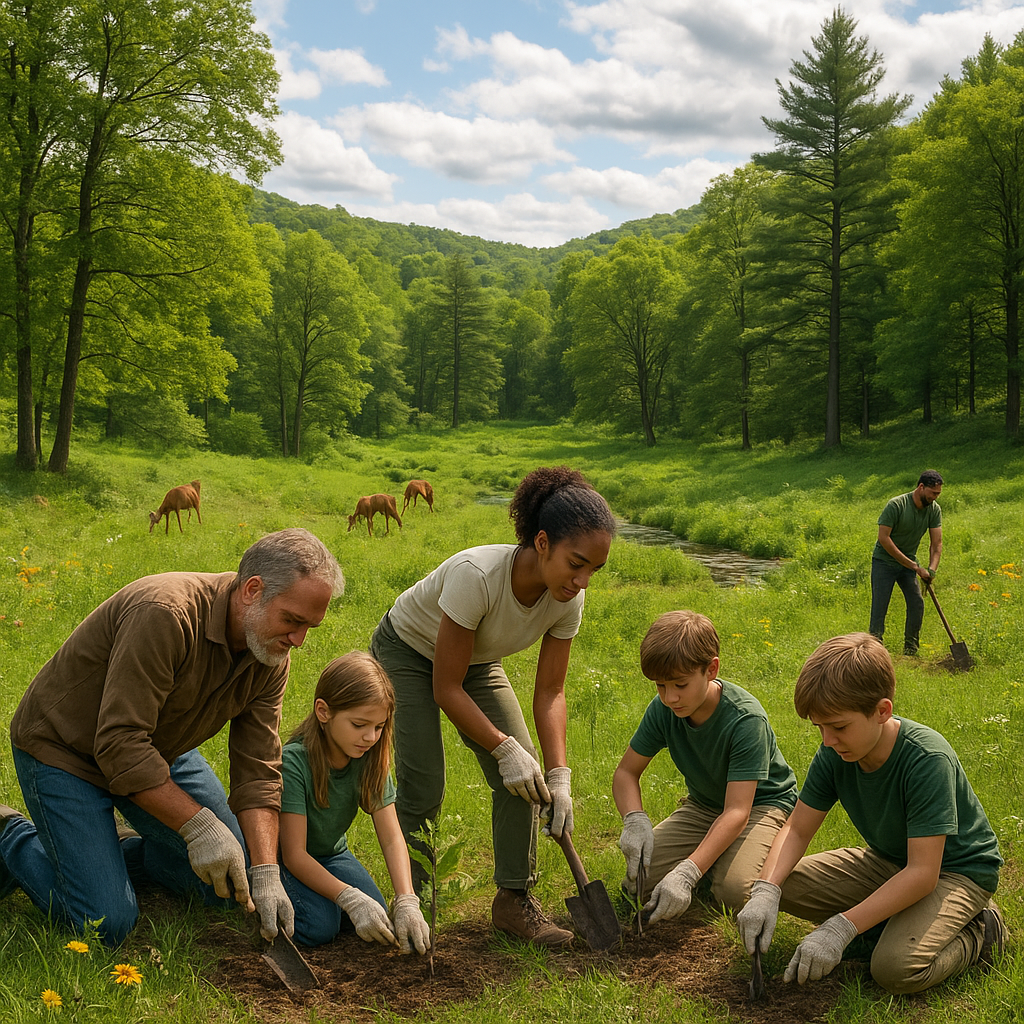
One inspiring example is a small wetland I helped restore in my community last year. Once choked with invasive cattails and littered with debris, it now hosts a chorus of spring peepers and growing salamander families. Volunteers planted native sedges and repaired the water channels. The community took part in evening amphibian surveys. This project showed me just how quickly and powerfully these habitats can rebound when we commit to restoration.
Facing Challenges Together
Restoring amphibian habitats is never without hurdles. Funding can be tight, regulations complex, and natural systems are always full of surprises. What I have found invaluable is community collaboration. Engaging neighbors, schools, local government, and experts creates a network of support. When people connect with the land and its amphibians, they become passionate stewards.
How You Can Help Amphibian Habitat Recovery
You do not need to be a scientist or have special equipment to make a difference. Here are some simple yet impactful ways you can get involved.
- Volunteer locally: Many conservation groups welcome help with planting native vegetation, removing invasive species, and monitoring ponds.
- Create amphibian-friendly spaces: Even a small backyard pond with native plants can provide vital habitat.
- Avoid pesticides: Chemicals harm amphibians directly and indirectly. Opt for natural pest control.
- Raise awareness: Talk to your community about the importance of amphibians and their habitats.
- Support conservation policies: Advocate for stronger protections of wetlands and water quality.
Looking Forward: Building Resilient Habitats for Generations to Come
Amphibian habitat recovery represents hope—a chance to restore balance in the face of environmental loss. It reminds me that with commitment and care, nature’s resilience can shine through.
Watching frogs leap back into restored ponds or hearing the return of salamander calls brings a special kind of joy. These moments drive home the urgent need to protect and recover amphibian habitats everywhere.
If there is one message I hope you take away today, it is this: nature can heal beautifully when given the chance. Our role is to clear the path and help life take root again.
Together, let us commit to reviving amphibian habitats—because their survival safeguards our environmental future in ways we are only beginning to fully understand.