Nursery-To-Field Transplant Techniques Insights for August
Forests are the lungs of our planet. They supply fresh air, regulate the climate, support rich biodiversity, and sustain countless communities. Yet, years of deforestation have left deep scars—vanished habitats, exhausted soils, and broken ecosystems. That is why reforestation is more urgent now than ever before.
When most people hear reforestation, they picture simply planting trees. It sounds straightforward, but the reality is far more layered. Among various approaches, nursery-to-field transplanting stands out as a trusted and effective technique to restore forests successfully. In this article, I want to share my insights on nursery-grown seedling transplant methods—why they matter, and how paying attention to every step from nursery to field improves outcomes dramatically.
Why Focus on Nursery-To-Field Transplanting
Nursery-to-field transplanting means growing seedlings in a controlled nursery environment and moving them carefully to their permanent spot outdoors. While labor-intensive, this method boosts survival rates and accelerates forest recovery compared to just scattering seeds or relying solely on natural regeneration.
Why? Nursery seedlings receive expert care—hydration, feeding, protection from pests—which helps them develop strong roots and defenses before they face the challenges of the wild. Transplanting these hardened seedlings during ideal conditions gives them a fighting chance.
In my years of working on reforestation projects, I have seen firsthand that attention to transplant techniques makes the difference between thriving young forests and disappointing failures.
Selecting the Right Seedlings in the Nursery
It all begins in the nursery. Healthy seedlings set the foundation for success. I always recommend sourcing seedlings from local, native species because they are naturally adapted to the environment. Locally grown seedlings tend to establish better, resist diseases, and support the native ecosystem more effectively.
Quality also involves the seedling's size and root condition. During the nursery phase, seedlings should balance vigorous growth with robust, untangled roots. Seedlings that are too spindly or overly root-bound often struggle after transplant.
Timing the Transplant Project
Timing is everything. I’ve learned planting at the onset of the rainy season creates favorable moisture conditions that significantly improve root establishment. Dry or harsh weather makes it harder for roots to grow and increases seedling mortality.
Planning transplant operations just before or during early rains is a game changer. It reduces drought stress and allows seedlings to focus energy on root expansion, not just survival.
Preparing the Field Site
Field preparation sets the stage for seedlings to thrive. Clearing competing vegetation and loosening the soil improves seedling access to sunlight, nutrients, and water.
Sometimes, poor soil conditions require interventions such as adding organic matter or using soil amendments. I’ve seen that without these steps, seedlings may struggle to survive or grow slowly, delaying forest recovery.
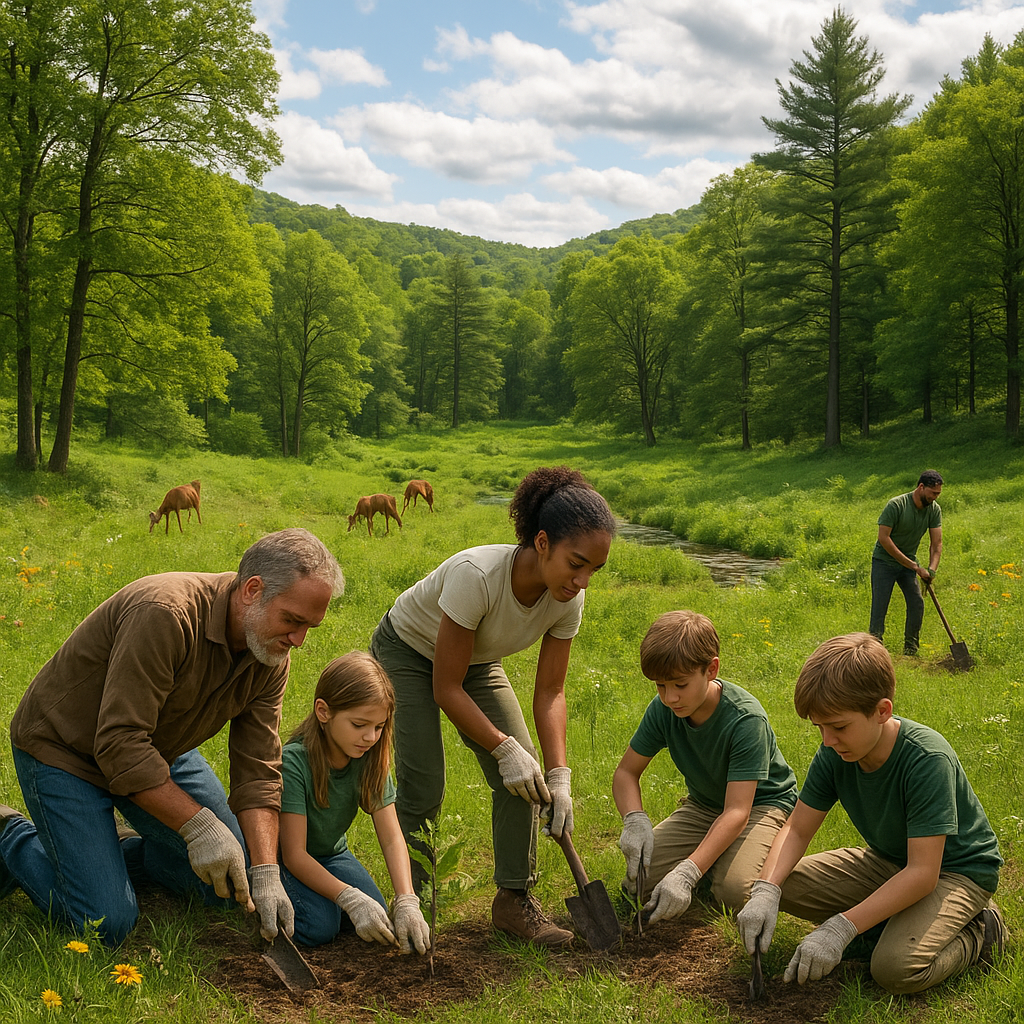
Protecting young seedlings from herbivores is just as essential. Simple guards or tree shelters prevent damage from deer, rabbits, or cattle—common threats in early months after transplant.
The Transplant Process Itself
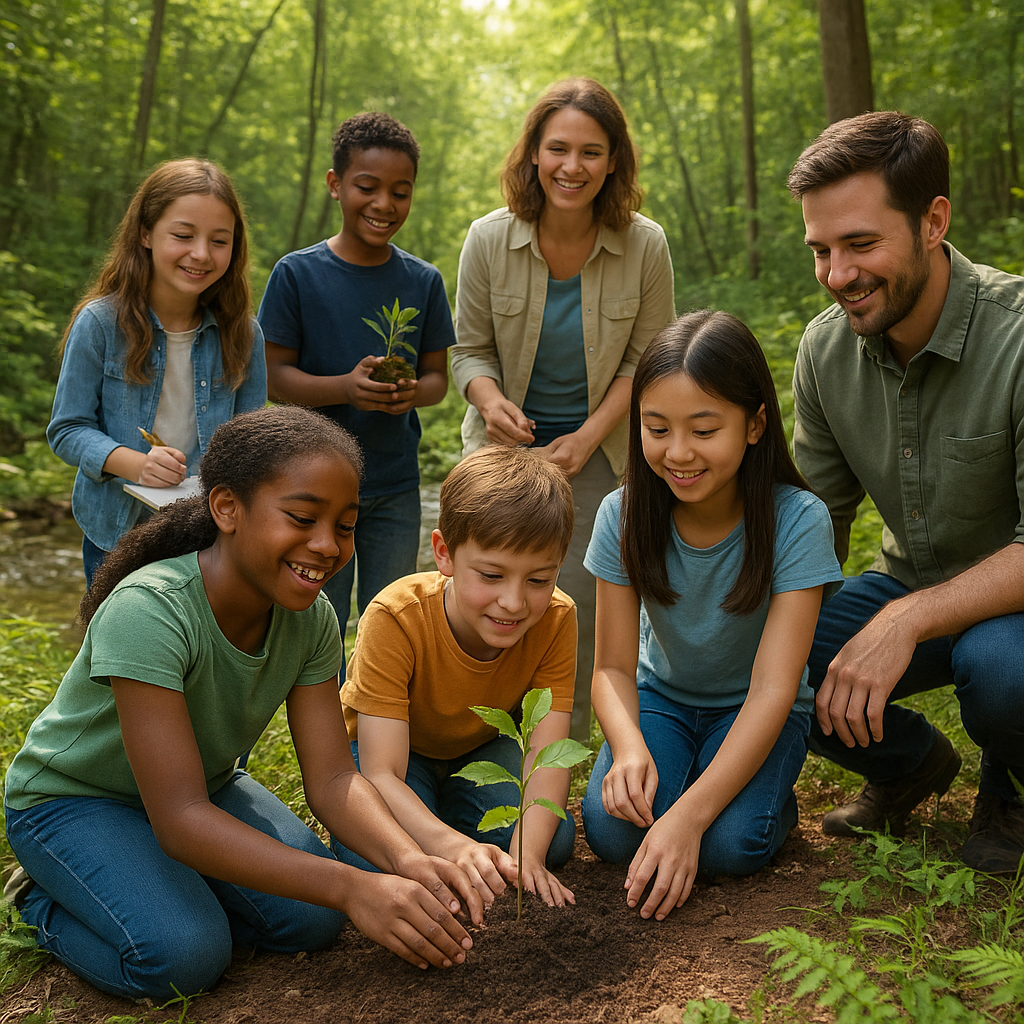
Transplanting seeds from nursery to field is delicate work. Seedlings should be moved with as much of their root ball intact as possible. Exposing roots to air or sunlight for too long stresses or damages the plant severely.
Planting depth also matters. Seedlings placed too shallow risk drying out, while those buried too deep can suffocate. The goal is firm but gentle soil contact around roots to encourage swift root-soil interaction.
I recommend planting with a consistent technique throughout the project. Standardizing methods helps track success and address issues efficiently.
Care and Maintenance After Planting
Planting is only the beginning. Follow-up care determines long-term survival. Watering during dry spells, mulching to conserve moisture, and monitoring for pests are necessary steps.
In some projects I have participated in, regular site visits for maintenance boosted seedling survival rates by remarkable margins. It is an investment that pays off.
Benefits of Nursery-To-Field Transplanting in Modern Reforestation
Nursery-to-field transplanting remains a cornerstone of successful reforestation programs worldwide. Combining controlled seedling development, proper timing, and detailed site management leads to more resilient forests.
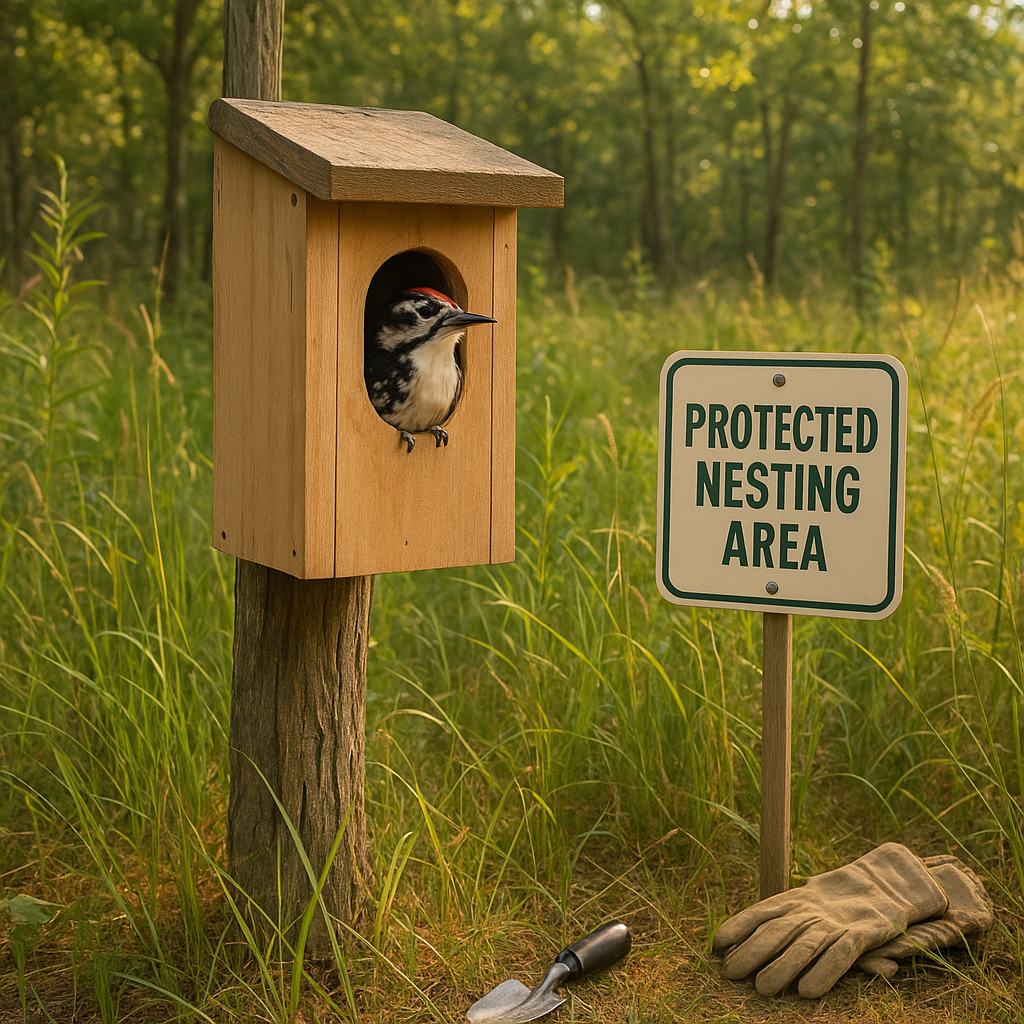
This technique allows restoration specialists to choose a mix of species that restore biodiversity, improve soil health, and create wildlife habitats. Modern tools—such as mycorrhizal fungi inoculants—can be incorporated to further enhance seedling root health and growth.
Final Thoughts: Every Seedling Tells a Story
Reforestation is not a quick fix. It requires patient stewardship and respect for natural systems. Nursery-to-field transplant techniques provide a solid framework to bring forest landscapes back to life.
If you want to get involved, partnering with local nurseries or restoration groups is a great way to start. Observing and learning transplant methods can deepen your connection to the land and multiply your impact.
Together, through thoughtful nursery-to-field practices, we don’t just plant seedlings—we nurture future forests. That is a hopeful promise for our planet.
Inspired to join the effort? Reach out to local reforestation initiatives, volunteer for transplanting events, or support native tree nurseries. Every seedling moved carefully from nursery to earth brings us a step closer to vibrant, thriving forests.