Seasonal Habitat Monitoring Insights for August
When I first got involved in wildlife habitat restoration, I never fully understood how vital ongoing monitoring would be. Especially seasonal habitat monitoring. It’s not just about the work done once or twice a year. It’s about paying close attention to nature’s rhythms—those shifts that can make or break a restoration project.
In this post, I want to share why monitoring habitats each season, especially in August, is crucial. I’ll also explain how it helps us protect ecosystems and keep wildlife flourishing.
What Is Seasonal Habitat Monitoring?
Seasonal habitat monitoring means regularly checking up on a restored area throughout the year. Every season brings different changes: plants grow and die back, water levels shift, animals move through or nest. If you don’t track these changes, it’s easy to miss warning signs or opportunities to improve.
Think of it this way. If you’re restoring a wetland, August might be when water levels are at their lowest because of summer heat. This can impact breeding frogs or water plants. Without monitoring, you might not notice the need for extra water management until it’s too late.
Why Seasonal Monitoring Matters So Much
We often hear that restoring habitats is important. But keeping them healthy over time requires constant care. Monitoring every season provides critical insights by:
- Tracking species health and diversity. Are native plants thriving or struggling? Are invasive species creeping in when we least expect it?
- Observing water conditions. In August, things can dry up fast. That affects everything from amphibians to pollinators.
- Checking soil and vegetation changes. Seasonal shifts can reveal erosion or nutrient deficiencies.
- Adapting management plans. Early detection through monitoring lets us tweak restoration actions before problems grow.
Without seasonal data, restoration slows or reverses. Some places look good one season but collapse the next.
Challenges We Face During August Monitoring
August often throws challenges at habitat restoration work:
- Heat stress. Many plants and animals are vulnerable to drought.
- Altered animal behavior. Migratory species may pass through, or breeding seasons end, limiting observations.
- Water scarcity. Wetlands and streams might shrink or disappear temporarily.
- Increased invasive species risk. Some invasive plants take advantage of stressed native species during dry spells.
Recognizing these challenges through seasonal checks helps keep habitats stable.
How I Approach August Habitat Monitoring
Each location is unique, so my approach involves several key steps:
1. Detailed Observation and Documentation
I start with recording what I see: plant growth, animal activity, water levels, and evidence of stress. Photos and notes provide invaluable information over time.
2. Water and Soil Testing
Checking water quality and soil moisture levels helps determine if intervention is needed to support wildlife.
3. Spotting and Managing Invasive Species
August is a critical time to identify emerging invasives that can outcompete natives during dry periods.
4. Engaging with the Community
Sharing findings with volunteers or local groups builds awareness and encourages support.
5. Adjusting Restoration Actions
Based on observations, I collaborate with ecologists to fine-tune watering, planting schedules, or invasive species controls.
A Walk Through August in a Restored Wetland
I recall a wetland I monitored last August. The summer heat had lowered water levels, but thanks to earlier planting of drought-tolerant native reeds, the habitat held strong. Dragonflies were abundant, signaling healthy insect populations. However, I spotted patches of invasive reed canary grass starting to spread. Early detection allowed us to plan removal before it choked the wetland.
This experience underlined how August monitoring is not just about measurement. It’s about acting in time to keep restoration on course.
How You Can Get Involved in Seasonal Habitat Monitoring
You don’t have to be a scientist to make a difference. Small actions build up:
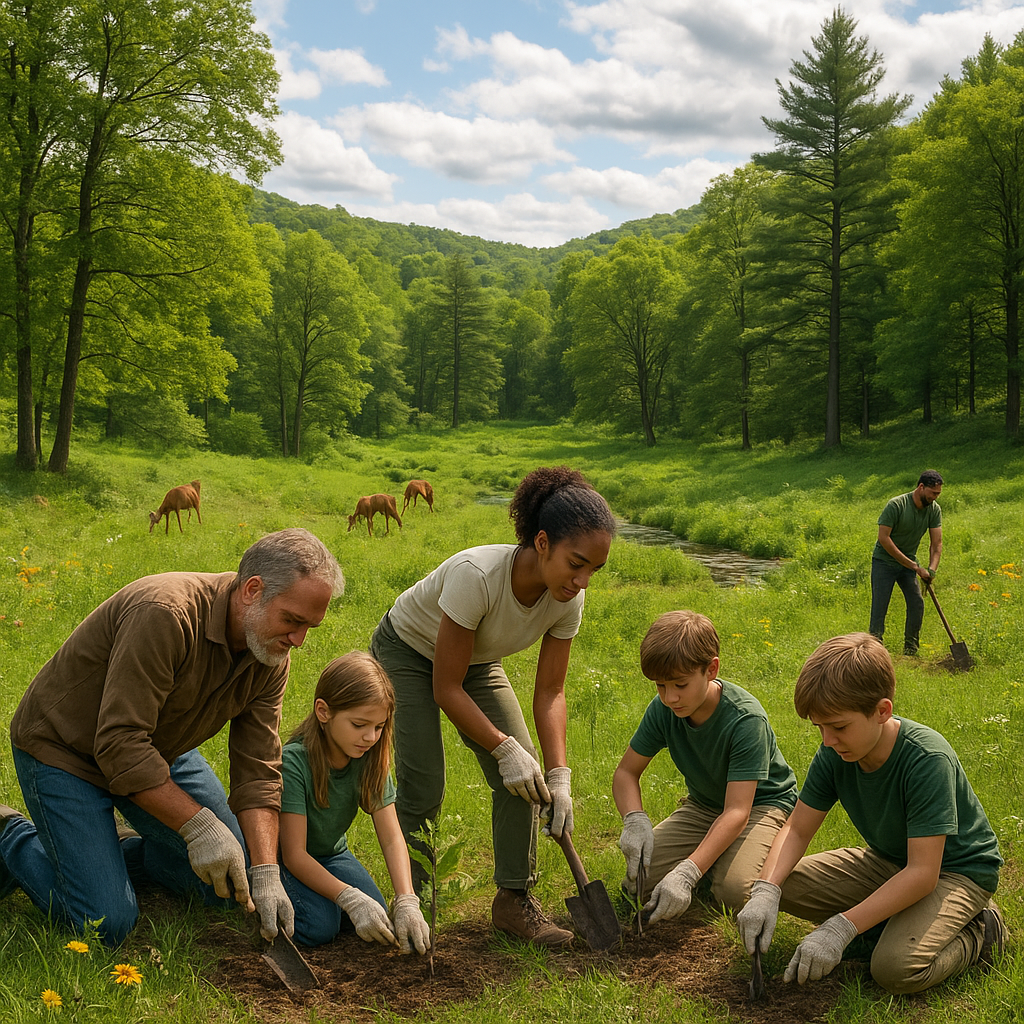
- Volunteer for local restoration projects and participate in seasonal site checks.
- Learn to identify key native and invasive species active in your area during different seasons.
- Contribute observations to citizen science platforms to help professionals track changes over large areas.
- Create or improve your own wildlife-friendly garden, observing seasonal changes and supporting local species.
- Advocate for funding and policies that support long-term monitoring and habitat conservation.
Every bit of data counts in making restoration successful.
Looking Ahead: The Future of Seasonal Monitoring
Technology is improving how we track seasonal changes. Drones, remote sensors, and even smartphone apps make consistent monitoring easier and more widespread. Still, nothing replaces boots on the ground watching the subtle shifts within each habitat.
Our ability to respond quickly to seasonal changes can make all the difference. August is a test of resilience for many ecosystems, but with diligent monitoring, it becomes a time of informed stewardship.
Final Thoughts
Seasonal habitat monitoring, especially during critical months like August, is essential. It keeps restoration projects alive, responsive, and thriving. From tracking water trends to spotting invasive plants early, regular checks allow us to protect and nurture these vital spaces.
If you’re passionate about nature, I encourage you to take part in seasonal monitoring. Look for changes around you. Your observations help build a healthier future for wildlife and people alike.
Additional Resources
- Society for Ecological Restoration – Tools for monitoring and restoration best practices
- National Wildlife Federation – Habitat restoration guides and citizen science opportunities
- The Nature Conservancy – Restoration projects and monitoring innovations
Let’s keep our eyes open every season and breathe life back into the wild places that sustain us all.