Post-Fire Replanting Strategies Insights for August
Forest fires are devastating. I have witnessed how swiftly flames consume vast stretches of land, leaving behind scorched earth and shattered ecosystems. The destruction does not end when the fire goes out. Rebuilding and restoring these affected areas is just as critical as preventing the fire itself. This is where post-fire replanting strategies come into play—a vital step toward healing our wildlands and ensuring their survival for future generations.
In this article, I want to share my personal insights and effective strategies for replanting after a forest fire. Whether you are a landowner, a conservationist, or someone interested in environmental restoration, understanding how to approach this task can make a big difference.
Why Post-Fire Replanting Matters
Fire reshapes landscapes in dramatic ways. It clears old vegetation but also destroys seeds and root systems, making natural recovery slow and sometimes incomplete. Left unattended, the land can become prone to erosion, invasive species, and loss of native biodiversity.
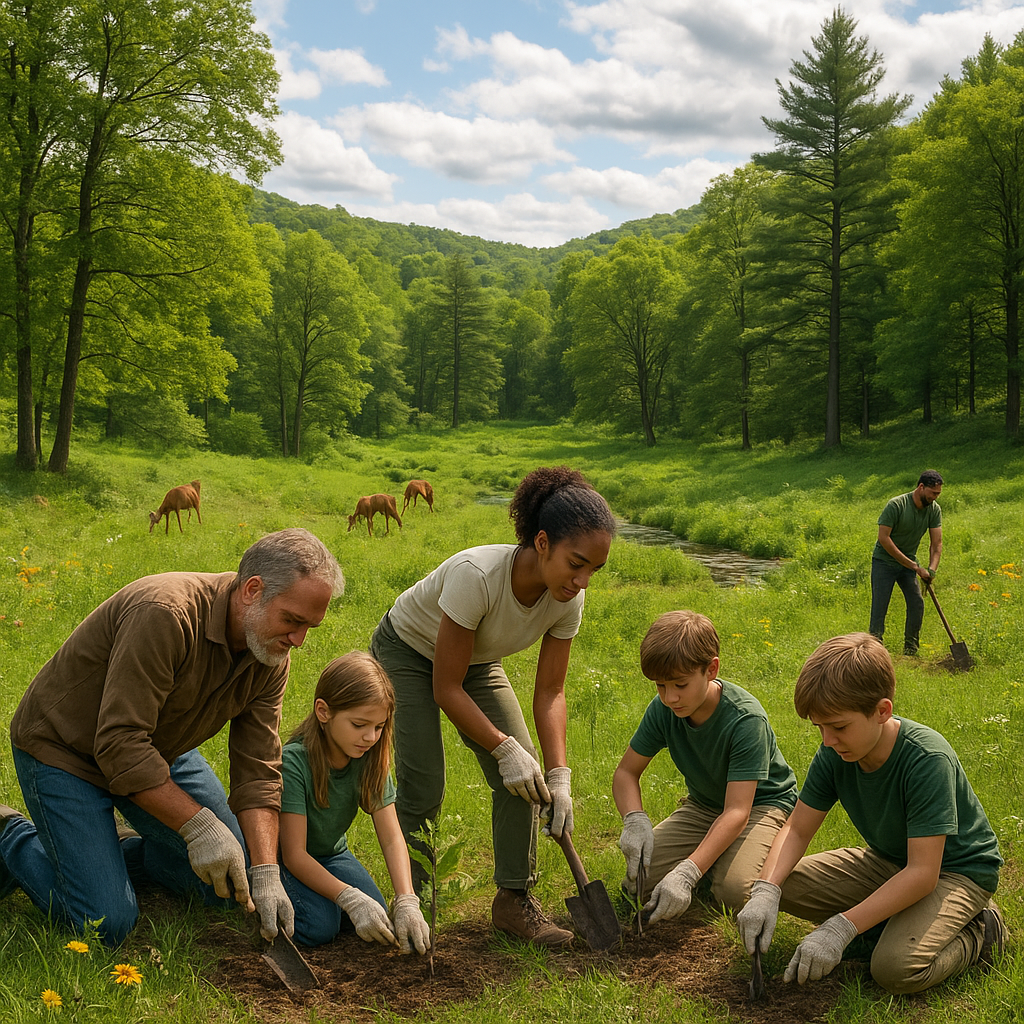
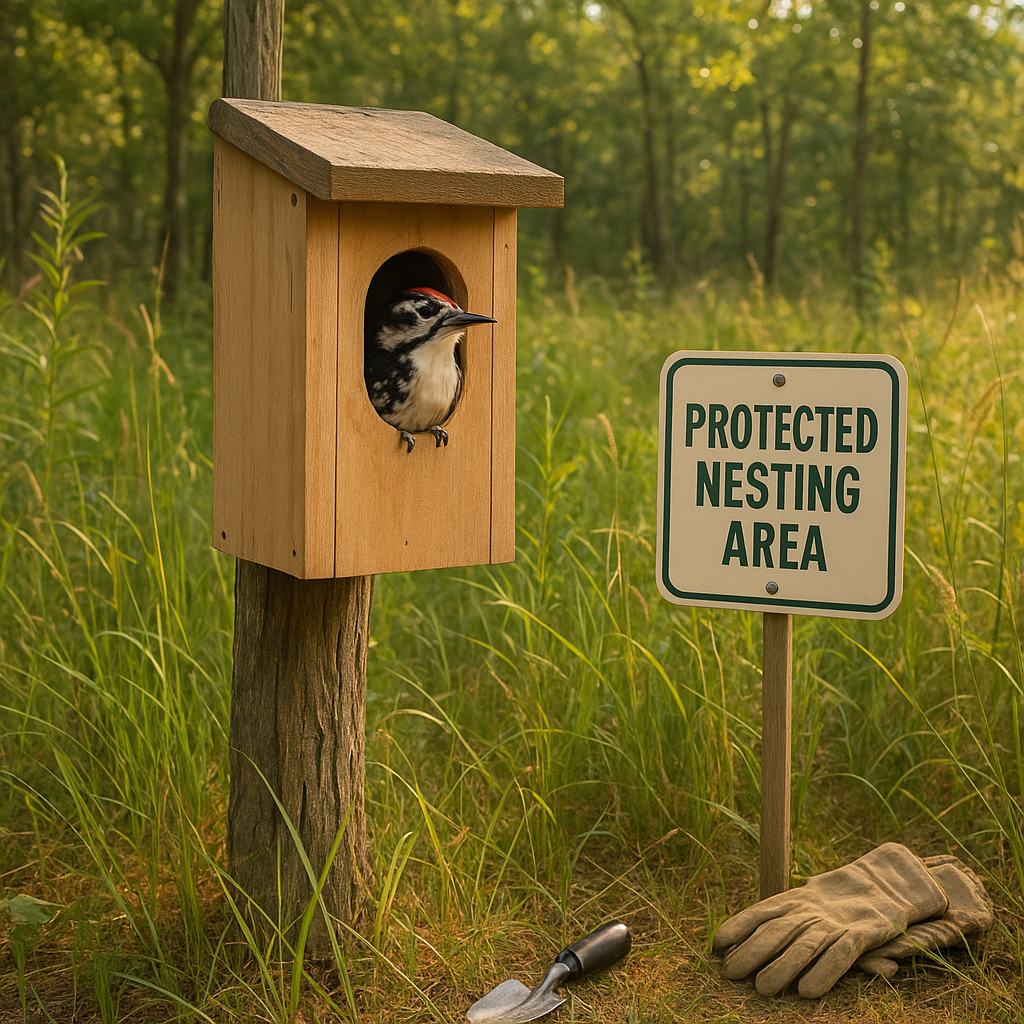
Replanting after a fire goes beyond just planting trees. It is about restoring balance—bringing back habitat for wildlife, preserving soil integrity, and supporting the gradual return of a healthy forest ecosystem.
The sooner replanting happens, the better the chances for successful recovery. But it must be done thoughtfully.
Assessing the Burn Area: The First Step
Before any planting starts, it is essential to assess the burn severity and soil condition. Not all parts of a burned forest need replanting. Some areas regenerate naturally over time. In other spots, the fire may have been so intense that the soil is damaged and requires intervention.
I always recommend consulting with forestry experts or utilizing local extension services. They can help determine which species to plant, where to focus efforts, and methods to protect young plants from future threats.
Selecting the Right Species to Plant
Choosing the right trees and plants is key. Native species adapted to the local climate and soil conditions recover best after fire. Pines, firs, and oaks often dominate in forests prone to fire, but that depends greatly on your region.
I have found that mixing species rather than planting just one can reduce risk. Diversity in plant life strengthens the ecosystem and supports varied wildlife. Also, including shrubs and ground cover plants aids in soil stabilization and provides early habitat benefits.
Timing and Preparation
Planting at the right time is crucial. In many places, late winter or early spring offers the best chance for seedlings to establish before the dry season. Preparing the site by clearing debris, protecting soil, and adding mulch helps retain moisture and shelter new plants.
In especially damaged areas, I sometimes recommend adding erosion control measures such as wattles or silt fences. These can protect young roots and prevent soil washout during rains.
Care and Maintenance Post-Planting
Replanting is just the beginning. Young plants need care, especially in the first few years. Regular watering (if possible), monitoring for pests or diseases, and removing invasive species supports successful growth.
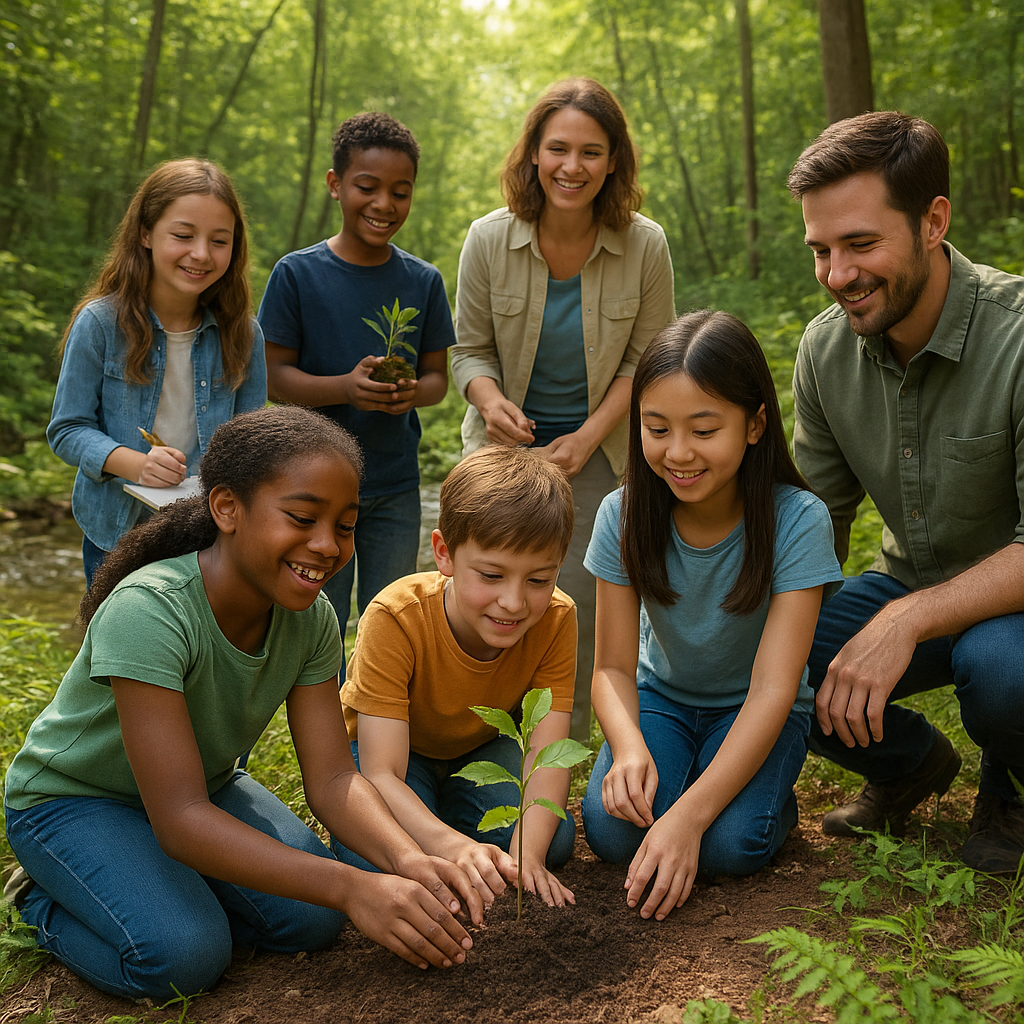
I like to set up community volunteer days for maintenance. This engages neighbors and builds a shared sense of responsibility for the land’s recovery.
Embracing Technology: Tools to Aid Replanting
Modern tools can support replanting efforts. GPS mapping helps track where new plants are located and their growth progress. Soil sensors monitor moisture levels to guide watering schedules.
Aerial drones provide an overview of large areas, helping prioritize zones needing urgent attention. Technology adds precision to restoration work, making every effort count.
The Bigger Picture: Restoration is a Journey
Post-fire recovery does not happen overnight. It takes patience and commitment. But every tree planted is a step toward a revived landscape. Every shrub that takes root helps rebuild ecosystems vital to wildlife and humans alike.
I encourage everyone involved in post-fire restoration to keep the bigger picture in mind. This work is crucial for climate resilience, water quality, and preserving the natural heritage we all depend on.
Final Thoughts: A Personal Commitment to Recovery
Whenever I witness the aftermath of a forest fire, I feel reminded of nature’s resilience and fragility. Replanting after these events is a hopeful act—a statement that we care and will nurture life back again.
If you are planning post-fire planting or simply want to support restoration efforts, start by learning about local species and connecting with experts. Take action early, plan carefully, and stay committed.
Together, through thoughtful post-fire replanting, we can help our wildlands rise from the ashes stronger than before.
Join the Conversation
Have you ever been involved in post-fire replanting? What strategies worked in your experience? I welcome you to share your insights and questions below. Every voice and story brings us closer to a better future for our forests.