Agroforestry Integration Methods Insights for July
Let’s talk about something that has the power to change how we care for our land and feed our communities—agroforestry integration. This approach blends trees with crops and livestock, offering a sustainable way to boost productivity while restoring our environment. Over time, I have seen agroforestry transform farms, landscapes, and even lives. It’s a topic I’m passionate about, and today I want to share insights that highlight the best integration methods and why they matter now more than ever.
Why Agroforestry Matters Today
Imagine a farming system that not only produces food but also improves soil health, sequesters carbon, and supports biodiversity. That’s agroforestry. It’s agriculture and forestry working hand in hand, creating ecosystems that are more resilient to climate change and less dependent on chemical inputs. With rising concerns about land degradation and food security, agroforestry stands out as a practical, nature-friendly solution that delivers on multiple fronts.
Proven Agroforestry Integration Methods
If you want to succeed with agroforestry, you need to understand the methods that work best. These are the strategies that farmers and conservationists use around the world to combine trees with crops and animals effectively.
1. Alley Cropping
This method involves planting rows of trees with wide alleys in between where crops can grow. The trees provide shade, reduce wind erosion, and improve soil nutrients through leaf litter.
- Benefits include higher crop yields and improved soil moisture retention.
- Trees can be fodder sources or even fruit producers.
- Careful species selection is essential to avoid competition for water and nutrients.
2. Silvopasture
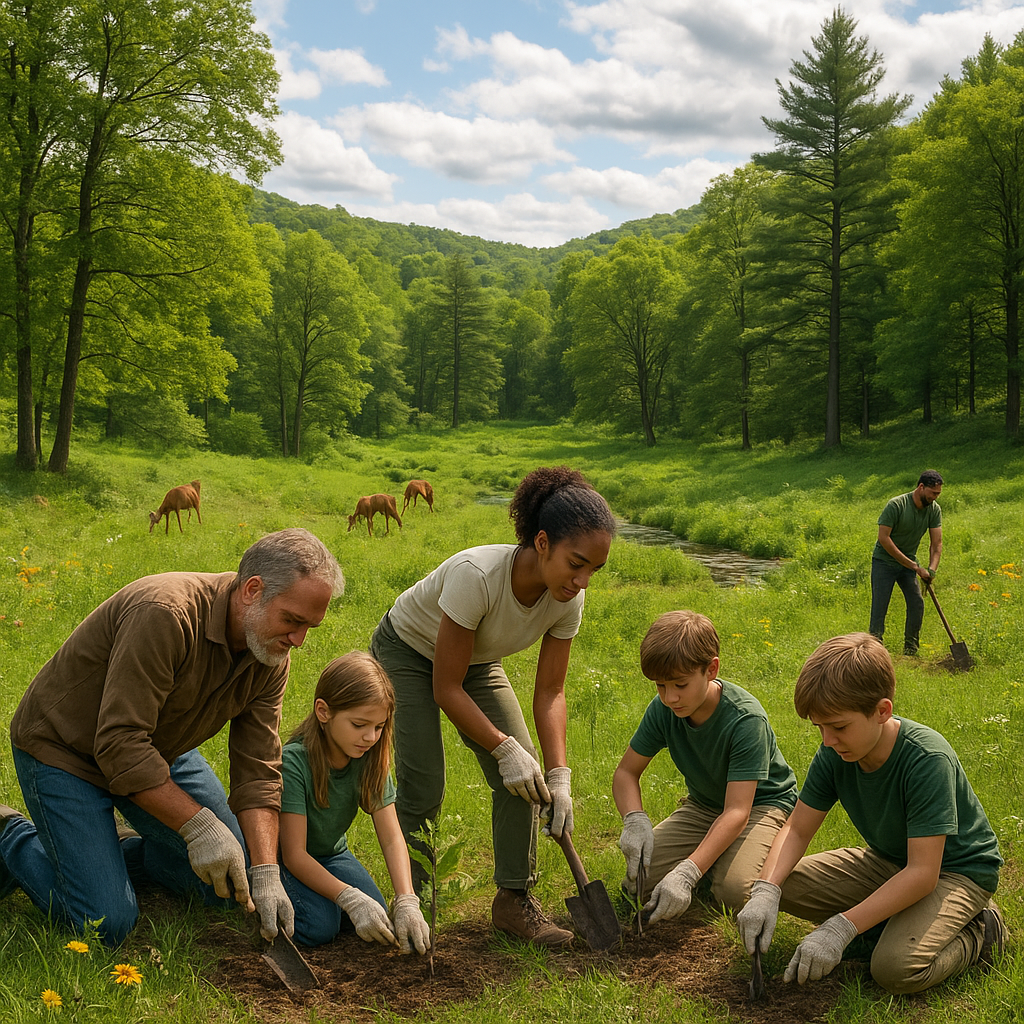
Here, trees and pastureland unite to create grazing areas shaded by trees. This provides livestock with shelter from sun and storms, enhancing animal welfare and productivity.
- Trees contribute additional income through timber or fruit.
- Root systems prevent soil erosion and promote water infiltration.
- This method supports diversified farm income and healthier soils.
3. Forest Farming
This method focuses on managing trees, crops, and livestock beneath a forest canopy. It is particularly popular for growing shade-tolerant crops like mushrooms, medicinal herbs, or nuts.
- Encourages biodiversity by resembling a natural forest structure.
- Allows utilization of underused forest spaces.
- Requires careful layer management and species knowledge.
4. Multistrata Agroforestry
This is a complex system combining multiple layers of vegetation—from tall canopy trees down to shrubs and ground crops. It mimics natural forest ecosystems and maximizes use of vertical space.
- Boosts resilience against pests and diseases.
- Promotes higher overall productivity per hectare.
- Demands detailed planning and ongoing management.
Keys to Successful Integration
From my experience, the magic in agroforestry lies in integration done right. It’s not enough to just plant trees among crops; the system must be balanced, purposeful, and adapted to local conditions. Here are some critical success factors:
- Right Tree Selection: Native or well-adapted trees that complement the crop and livestock goals.
- Spatial Arrangement: Proper spacing to avoid excessive competition and to optimize sunlight.
- Soil and Water Management: Trees help conserve moisture, but soil must be fertile enough to support all components.
- Community Engagement: Farmers need practical knowledge and motivation, so training and incentives matter.
- Long-Term Vision: Agroforestry is an investment with returns that grow over years, not weeks.
Challenges and How We Tackle Them
Agroforestry is not without challenges. Competition for water, shade effects, pests, and initial labor demands can discourage adoption. Furthermore, some farmers hesitate because benefits may take time to materialize.
To overcome these obstacles, integrating traditional farming wisdom with modern practices like soil testing and water-efficient irrigation helps. Support through extension services, affordable saplings, and demonstrating successful pilot projects also plays a big role. On the ground, mixing fast-growing nitrogen-fixing trees with crops can provide early benefits alongside long-term gains.
Why This Matters For Your Land and Community
I believe agroforestry holds real promise for anyone looking to create a more sustainable and productive land use system. By combining trees with your crops and livestock, you are not just boosting yields but also improving soil health and biodiversity. In times when climate unpredictability is the new norm, agroforestry offers resilience.
This approach also opens opportunities—extra income from fruits and timber, better feed for animals, and healthier ecosystems that support life beyond the farm. It’s a win-win for people and the planet.
Final Thoughts: Embracing Agroforestry Integration
Agroforestry is not a trend; it’s a time-tested solution that fits today’s environmental and economic challenges. Success requires effort, patience, and knowledge, but the rewards make it worthwhile.
If you are a farmer, policymaker, or someone interested in sustainable practices, I encourage you to explore agroforestry integration methods and consider how they might apply to your context. Planting trees alongside your crops and livestock is a step toward a greener, more productive future.
When we integrate thoughtfully, we breathe new life into our soils, secure livelihoods, and contribute to a healthier planet.
Feel free to share your experiences or questions about agroforestry below. Let’s build a community of practice and grow sustainability from the ground up.