Soil Preparation For Young Trees Insights for June
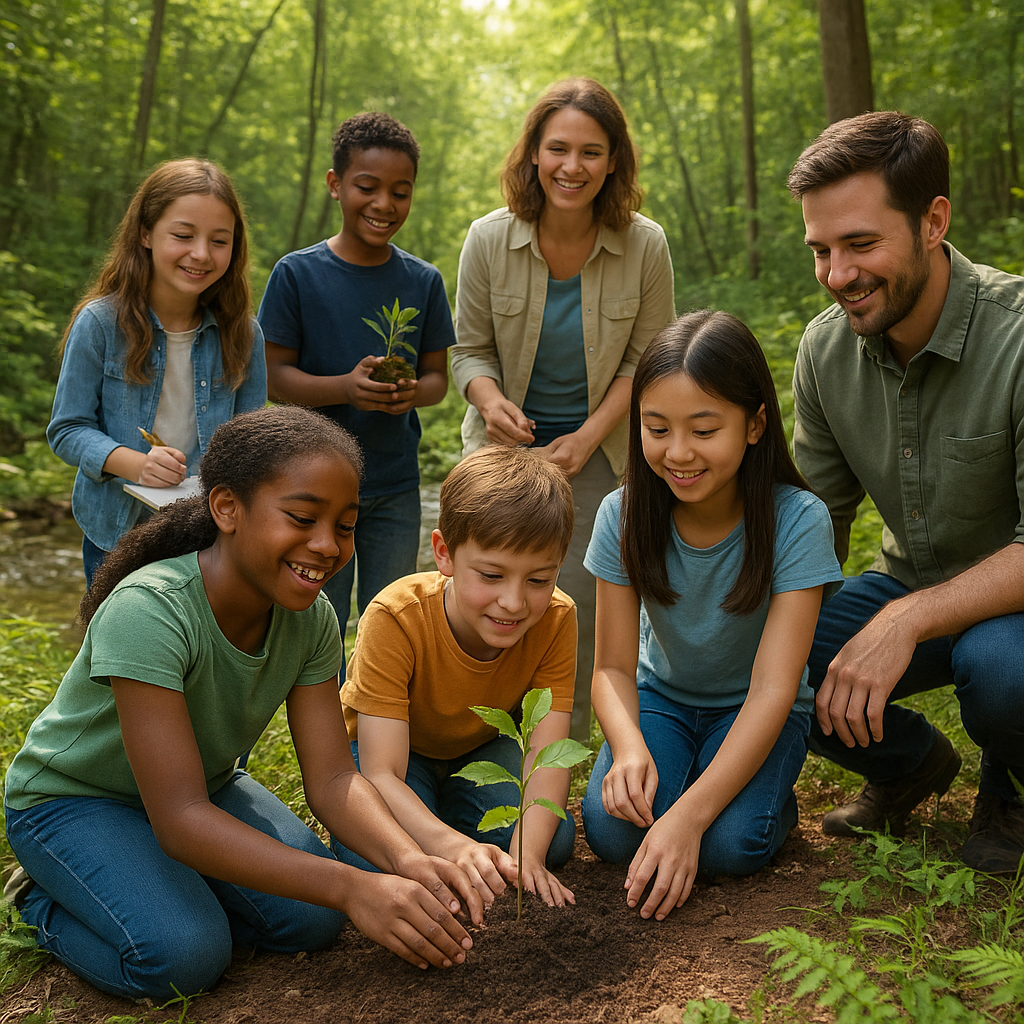
Walking through a forest, you feel the life beneath your feet. The soft earth, rich and alive, is the foundation for every towering tree and delicate sapling. When it comes to reforestation, young trees need more than just seeds or seedlings. They need healthy soil to grow strong and thrive. Soil preparation is often the unsung hero of successful tree planting. Without it, even the best seedlings struggle.
In this blog, I want to share practical approaches and insights about soil preparation for young trees. This is crucial knowledge for anyone interested in reforestation, gardening, or simply growing trees that last.
Why Soil Preparation Is Vital
Soil is much more than dirt. It is a living environment that provides nutrients, water, and support for young roots. Preparing soil properly improves water retention, aerates the ground, and removes obstacles that stunt root growth. It also helps protect trees against pests and drought, giving seedlings the best shot at survival.
Planting trees without proper soil preparation is like trying to grow a garden without tending the earth first. You might see some growth, but it will be slow and fragile.
Key Steps in Preparing Soil for Young Trees
1 Understand Your Soil Type
Not all soils are created equal. Sandy soil drains quickly but holds fewer nutrients. Clay soil holds water but can suffocate roots. Loam is often ideal with good balance. Start by testing your soil. Simple home kits or professional analysis can reveal pH levels, fertility, and texture.
Knowing your soil type guides the amendments and adjustments you need. If your soil is too acidic or alkaline, correcting pH helps seedlings absorb nutrients more efficiently.
2 Clear the Planting Area
Remove weeds, grasses, roots, rocks, and debris where you plan to plant. These compete for water and nutrients and make it harder for young roots to establish themselves. Clearing also reduces pests and disease by eliminating their hiding places.
3 Loosen and Aerate the Soil
Compacted soil restricts root growth and water infiltration. Use a garden fork, hoe, or mechanical tiller to break up the soil to a depth of 12 to 18 inches. This creates air pockets that allow roots to breathe and encourages beneficial organisms to thrive.
4 Incorporate Organic Matter
Healthy soil teems with organic material that feeds microorganisms, improves texture, and enhances water retention. Adding compost, aged manure, or leaf mold enriches the soil naturally.
I always recommend a generous mix of compost worked into the planting hole and surrounding area. It creates a nutrient-rich environment where seedlings can get the energy they need to grow strong roots quickly.
5 Ensure Proper Drainage
Waterlogged soil suffocates roots and invites harmful fungi. Before planting, confirm that your site drains well. If water pools or drains slowly, consider elevating the planting area by creating a mound or raised bed.
6 Adjust Planting Depth Thoughtfully
When planting young trees, it’s critical not to bury the root collar deeply. The transition zone between roots and stem should sit just above soil level to prevent rot and stress.
7 Use Mulch Wisely
While technically after soil preparation, mulching plays a complementary role. Apply a 2 to 4 inch layer of organic mulch like wood chips or straw around the base. Mulch conserves moisture, reduces weeds, and gradually enriches the soil as it breaks down.
Personal Reflections on Soil Preparation Success
I’ve witnessed many reforestation efforts where soil was overlooked, and the results were disappointing. Beginners often focus on getting seedlings into the ground without preparing the soil properly. The saplings struggle, growth is slow, and many don't survive the first dry season.
Conversely, projects where soil preparation was prioritized tend to have higher success rates. Healthy, well-prepared soil reduces maintenance needs and boosts resilience against pests and weather extremes.
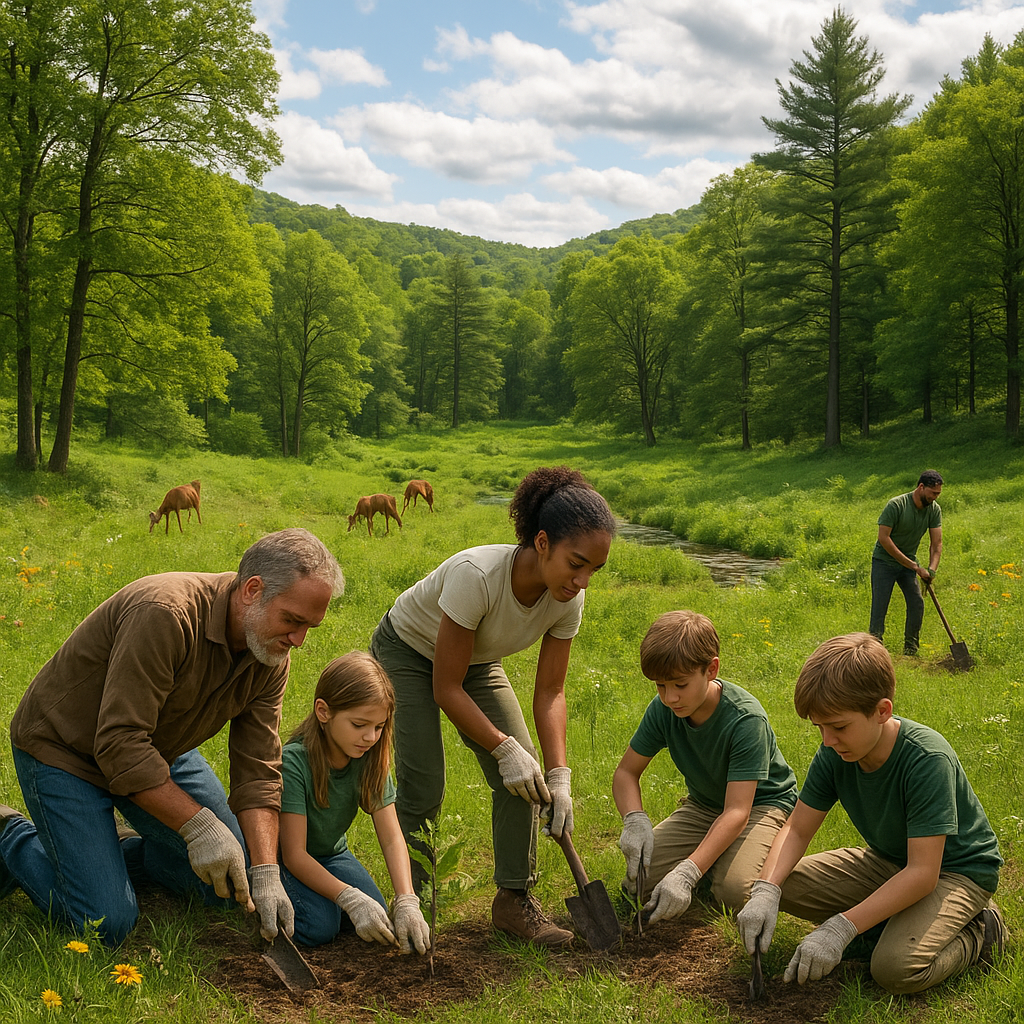
One memorable community project involved transforming a compacted, weed-ridden area into a thriving young woodland. Through intensive soil work—removing obstacles, adding compost, and aerating—we gave these trees a fighting chance. Watching that patch green and flourish over the years made the effort worthwhile.
Common Challenges and Solutions
- Poor Soil Nutrition Early nutrient deficiencies slow growth. Remedy by adding well-rotted organic matter and balanced fertilizers tailored to soil tests.
- Soil Compaction Heavy machinery or foot traffic can damage soil structure. Avoid working soil when wet and limit repeated traffic on planting sites.
- Weed Pressure Persistent weeds compete intensely. Frequent removal before planting and employing mulch reduces competition.
- Water Management Drought or flooding stresses young trees. Prepare soil to retain moisture but avoid waterlogging by amending drainage and adding organic matter.
Final Thoughts for Tree Planters and Forest Restorers
Soil preparation doesn’t have to be complicated but it does require attention and care. If we want young trees to grow tall and strong—whether in a backyard, farm, or large reforestation site—feeding and caring for the soil is the foundation of all efforts.
Starting now, in June, is ideal in many regions. Soil is warming up, moisture is still present from spring rains, and seedlings can establish roots before dry seasons arrive. Take time to test, amend, and prepare your soil. Good soil preparation repays you many times over with healthy trees, richer biodiversity, and restored landscapes.
Even if you plant just one tree, starting with strong, healthy soil is where hope begins. Let’s give young trees the ground they need to become the forests of the future.
For anyone ready to move beyond simple planting and into more effective reforestation or tree growing, soil preparation is an essential first step. Have questions or want to share your own experiences? Drop a comment below or reach out. I’m always eager to talk soil and support green growth.
#SoilPreparation #TreePlanting #Reforestation #YoungTrees #EcoRestoration #SustainableForestry