Agroforestry Integration Methods Insights for May
When it comes to reforestation, one approach stands out not only for its environmental benefits but also for its support to local communities: agroforestry. Over time, I have come to appreciate agroforestry as a powerful technique that goes beyond simply planting trees. It seamlessly blends agriculture and forestry to restore degraded lands while boosting livelihoods.
Why Agroforestry Deserves More Attention
Deforestation and land degradation continue to threaten ecosystems worldwide. But agroforestry offers a unique solution—it reintroduces trees into landscapes already used for farming or grazing. This method doesn’t sacrifice food production. Instead, it improves it, making land more productive and resilient. It is a win-win for the planet and people.
Trees in agroforestry systems help fix nitrogen, enhance soil structure, and preserve moisture. Plus, they provide shade, reduce erosion, and create habitats for wildlife. Combining these benefits with crops and livestock makes farming more sustainable in the long run.
Breaking Down Agroforestry Integration Methods
1. Alley Cropping
In alley cropping, rows of trees or shrubs are planted with wide spaces between them. Farmers grow annual crops in the alleys between these rows.
This system offers several advantages:
- Trees act as windbreaks, protecting crops.
- Leaf litter enriches the soil with organic matter.
- Roots help retain soil moisture.
This method is particularly effective on sloped terrain where soil erosion threatens productivity.
2. Silvopasture
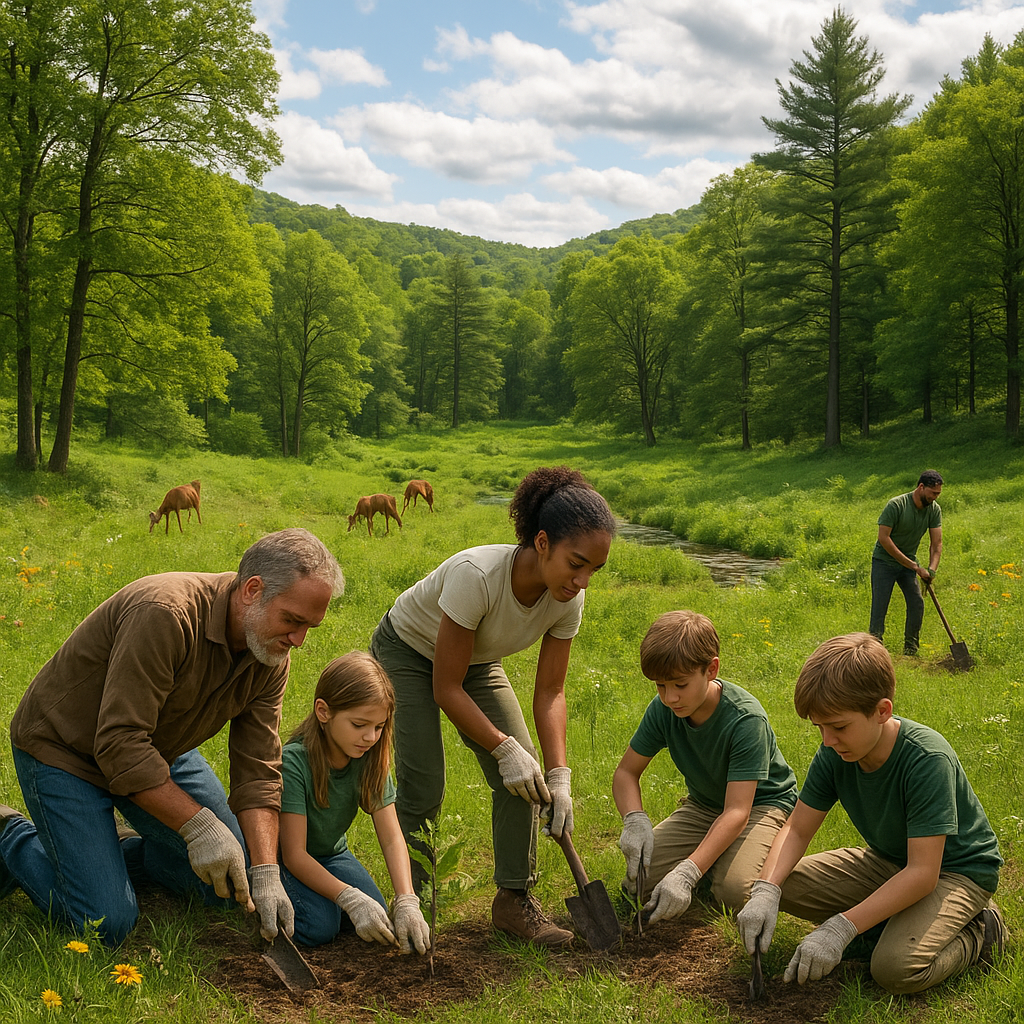
Silvopasture integrates trees, forage plants, and livestock in a single system. Animals graze under shade-providing trees, creating a diverse landscape that benefits all parties.
Why silvopasture works:
- Shade reduces heat stress for animals.
- Trees improve pasture quality by cycling nutrients.
- Income is diversified through timber, fodder, and livestock sales.
This method requires careful planning to balance grazing pressure with tree growth but yields great ecological and economic returns.
3. Forest Farming
Forest farming involves cultivating high-value crops under the protection of an existing forest canopy. This understory farming can include medicinal plants, mushrooms, or specialty fruits.
Benefits include:
- Utilizing shaded, marginal land.
- Generating additional income streams without clearing trees.
- Maintaining forest cover and biodiversity.
It allows farmers to profit from forests sustainably, often with minimal disturbance.
4. Homegardens
Homegardens are small-scale, highly diverse agroforestry plots near residences. They mimic natural forests but focus on food and medicinal plants for household use.
Advantages of homegardens:
- Continuous harvest of fruits, vegetables, and herbs.
- Conservation of traditional plant varieties.
- Close integration with daily life and cultural practices.
This method supports food security and local traditions simultaneously.
5. Riparian Buffer Strips
Planting trees along waterways protects soil from erosion and filters pollutants. Riparian buffers provide clean water, wildlife corridors, and sometimes harvested products like nuts or timber.
This agroforestry approach:
- Stabilizes stream banks.
- Enhances aquatic habitat.
- Improves water quality downstream.
It’s a practical strategy to manage agricultural impacts on sensitive ecosystems.
Making Agroforestry Work: Key Considerations
Implementing agroforestry takes thoughtful design. Selecting tree species adapted to local soil and climate is critical for long-term success. Native trees usually perform best, as they support existing ecosystems and reduce invasive risks.
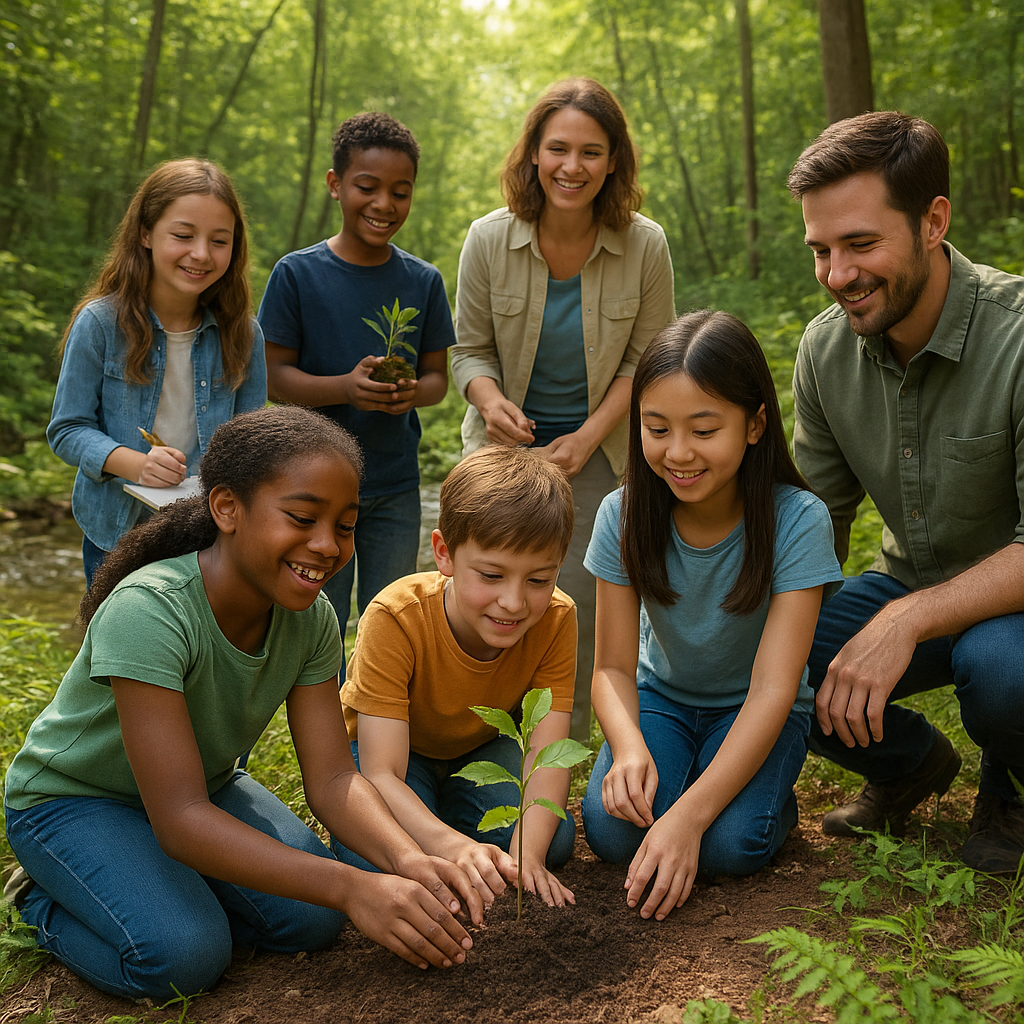
Local community involvement cannot be overstated. Farmers know their land and livelihoods best, so their participation ensures systems that are culturally acceptable and economically viable. Training and extension services help improve adoption and management.
Finally, patience is vital. Agroforestry systems may take years to mature, but the benefits compound over time, unlocking multiple ecological and economic wins.
The Future of Agroforestry Looks Bright
Global restoration efforts increasingly recognize agroforestry’s role. From the African Great Green Wall to Asia’s integrated farms, trees are coming back to landscapes that need them most. Advancements in mapping tools and nurseries make scaling these practices easier.
Personally, I am excited to see how agroforestry continues evolving. It represents a hopeful path forward—combining humanity’s need for food and materials with the urgent demand to heal our planet.
If you want to get involved, start small. Experiment with planting fruit trees alongside your garden crops, or talk to local experts about silvopasture. Every tree planted within a productive system is a step toward a greener, more resilient future.
Final Reflections
Agroforestry is more than an environmental fix—it is a vibrant, living system where agriculture meets conservation. The integration methods I’ve described are tools anyone can consider when restoring lands or enhancing farms.
As we embrace agroforestry, we nurture not just trees but healthier soils, richer biodiversity, and stronger communities. It’s a form of restoration that feeds us and the planet alike.
Thanks for spending time exploring these agroforestry insights with me. Let’s keep pushing forward, one tree, one farm, and one community at a time.