The Ōfunato Wildfire: A Catastrophe in Japan
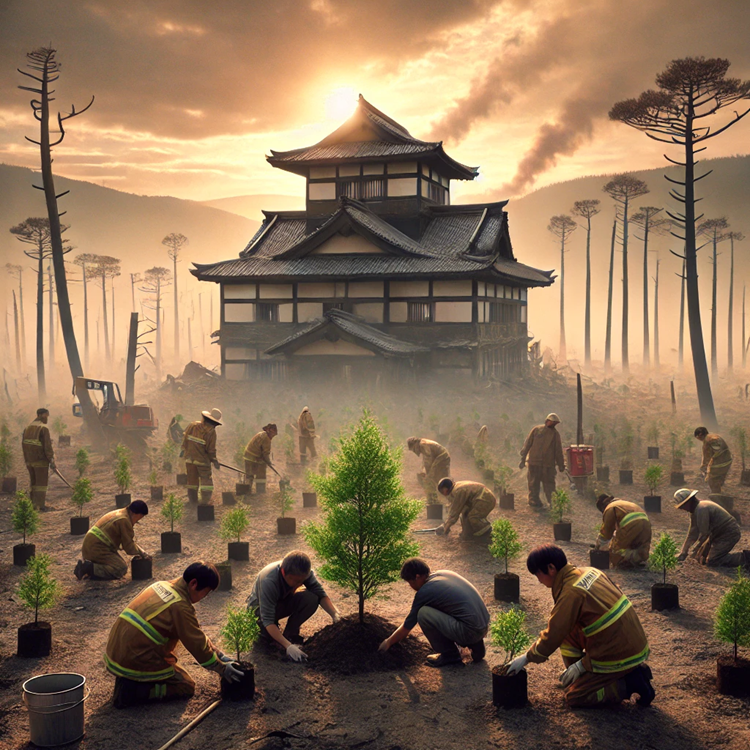
On February 26, 2025, a wildfire ignited in the southeastern region of Ōfunato, a city in Japan’s Iwate Prefecture. Over the course of 12 days, the fire consumed approximately 2,100 hectares (5,189 acres) of land, marking it as Japan’s largest wildfire in over five decades. The blaze led to the destruction of 171 structures, the evacuation of over 4,500 residents, and tragically claimed one life.
Environmental and Ecological Impacts
The Ōfunato wildfire’s extensive reach devastated local ecosystems, particularly affecting the region’s coniferous forests. These forests, home to diverse flora and fauna, suffered significant habitat loss, potentially leading to long-term ecological imbalances. The destruction of vegetation also heightened the risk of soil erosion, which can adversely affect water quality in nearby rivers and streams.
Contributing Factors
Several factors contributed to the severity of the Ōfunato wildfire:
- Record-Breaking Temperatures: Japan experienced its hottest year on record in 2024, leading to drier conditions that made forests more susceptible to fires.
- Drought Conditions: The city of Ōfunato recorded its lowest February rainfall since records began, receiving only 1 millimeter of precipitation compared to the average 45 millimeters.
- Topography and Vegetation: The region’s steep mountains and the prevalence of highly flammable coniferous trees facilitated the rapid spread of the fire.
Response and Recovery Efforts
In response to the wildfire, Japan deployed over 2,000 firefighters, supported by aerial firefighting teams, to combat the blaze. Evacuation orders were issued for thousands of residents, and emergency shelters were established to accommodate those displaced. The Japanese government also set up a countermeasures office to coordinate the firefighting efforts and provide timely information to the public.
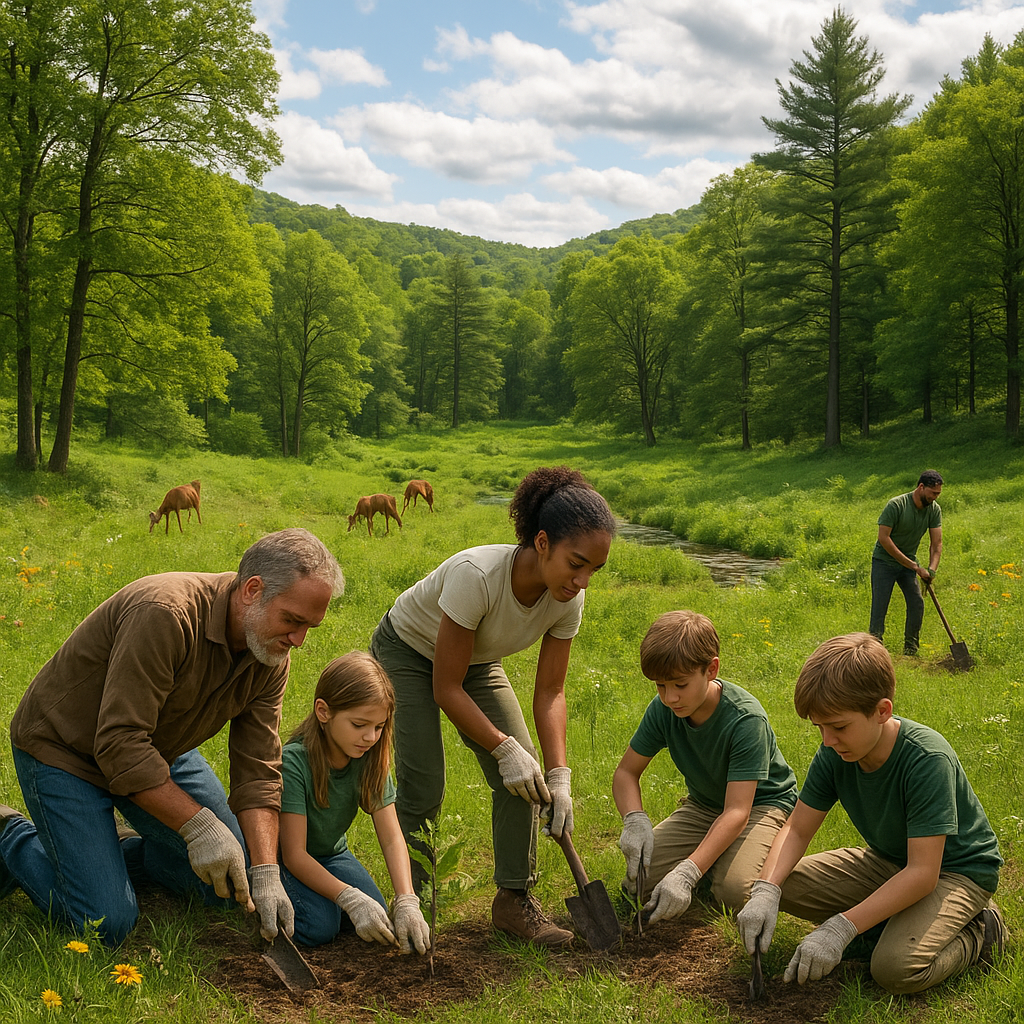
As the fire has been contained, attention now shifts to recovery and prevention. Efforts are underway to assess the full extent of the damage, support affected communities, and implement strategies to mitigate the risk of future wildfires. These include reforestation projects, infrastructure rebuilding, and revisiting land management practices to enhance resilience against such natural disasters.
The Ōfunato wildfire serves as a stark reminder of the escalating challenges posed by climate change and the critical importance of proactive environmental stewardship on a global scale.