Citizen Science Tree-Health Monitoring Insights for April
Working closely with communities over the years has taught me one clear thing: engaging people and educating them makes a real difference. But I’m not just talking about simple outreach like handing out flyers or a one-time workshop. I mean real, ongoing conversations where people feel heard, valued, and empowered to take control of their environment.
This month, I want to shift the focus to an exciting area where community engagement and education come together perfectly—citizen science tree-health monitoring. This initiative is more than just spotting sick trees. It’s about equipping everyday people with the knowledge and tools to protect their local green spaces, and it’s creating ripples of positive change that I want to share.
What Is Citizen Science Tree-Health Monitoring?
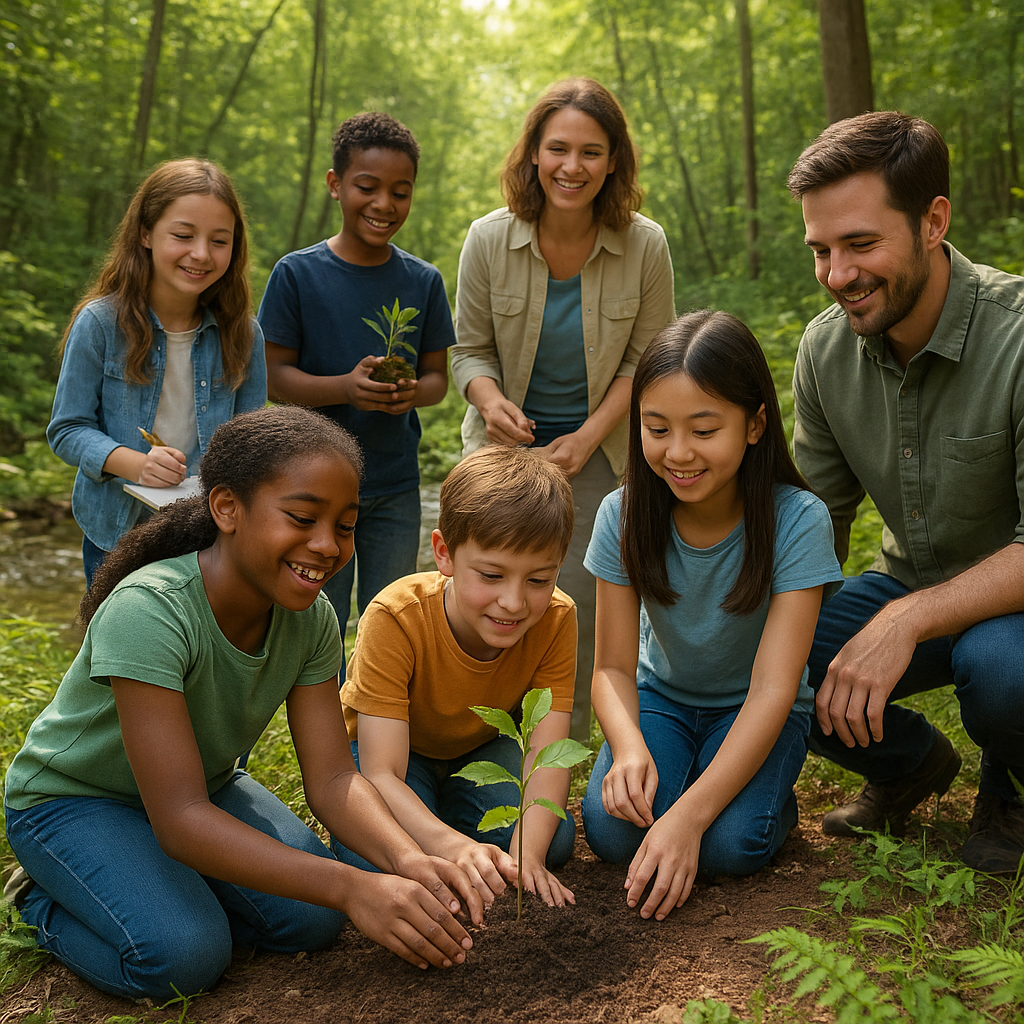
Citizen science tree-health monitoring invites community members to become active participants in tracking the condition of trees in their neighborhoods. Instead of experts working alone, it’s a partnership between scientists and citizens.
People learn how to identify signs of stress or disease in trees, collect data using simple mobile apps or paper forms, and help build a collective understanding of the health of local urban forests. The key here is engagement that builds trust and ownership. It’s a two-way street: experts provide guidance, but residents bring invaluable local knowledge and dedication.
Why Education Matters in Tree-Health Monitoring
Education is more than just teaching facts. In this context, it’s about helping residents understand why tree health matters, what signs to look for, and how these trees impact their community. This kind of education is informal and ongoing—happening in neighborhood meetings, outdoor workshops, or online groups.
When people understand the connection between tree health and clean air, wildlife habitats, or even property values, they become motivated. Equipped with knowledge, they not only notice problems but also advocate for solutions. This process nurtures both awareness and action.
How Engagement and Education Combine to Protect Trees
I’ve seen the magic that happens when education is integrated with deep community involvement. Here’s a concrete example:
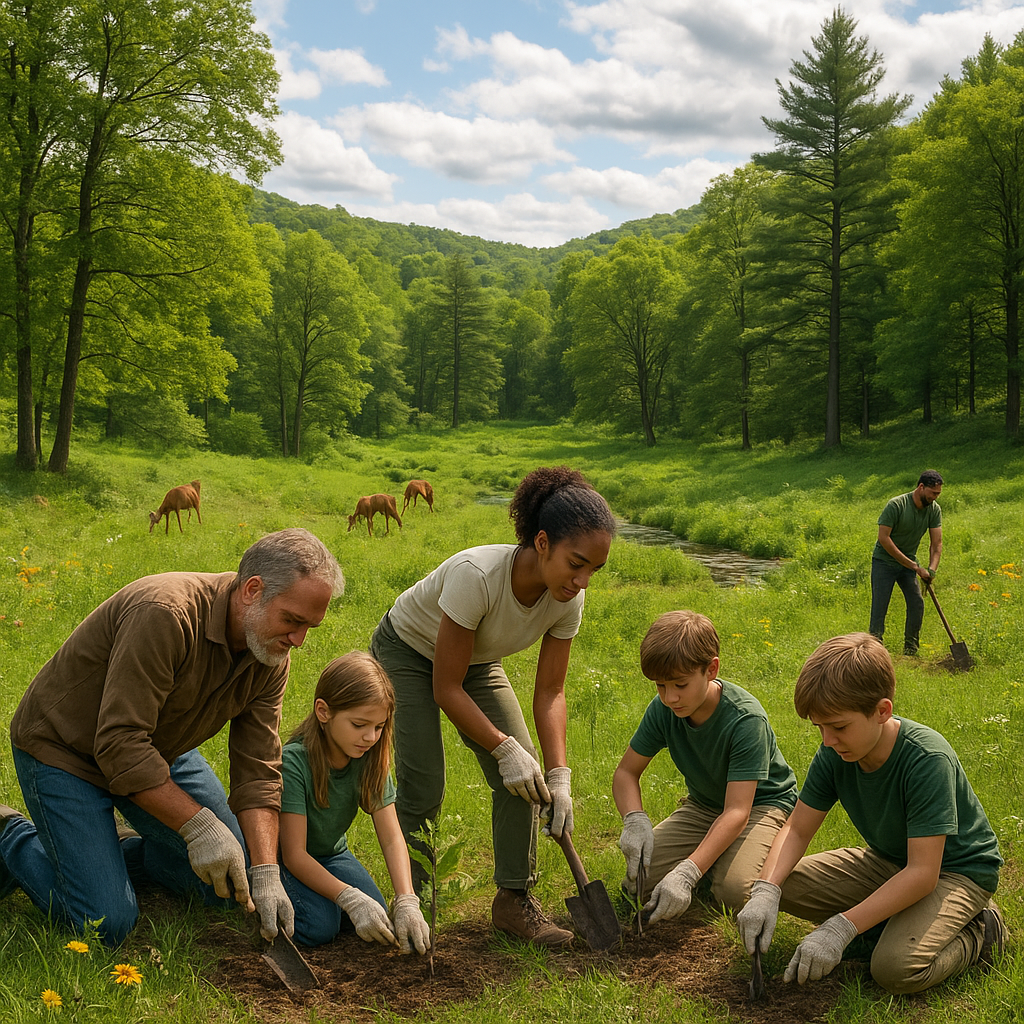
In one city, volunteers learned to spot early signs of infections like oak wilt or pest infestations. They joined data collection walks throughout their neighborhoods. Because they were involved from the start and had the proper training, they identified trouble spots weeks before city officials might have acted.
They didn’t stop there. This group organized neighborhood clean-ups to remove invasive plants threatening tree roots and shared their findings with local councils. The effort grew into a community movement to protect and restore urban forests.
That kind of outcome only happens when education and engagement go hand in hand.
Challenges and How I’ve Seen Them Overcome
Of course, this work comes with hurdles. None of it is easy or quick.
-
Mistrust is a big challenge. Some people have been ignored or let down by previous efforts. Patience and transparency help. I always find that honoring commitments and keeping lines of communication open starts to break down barriers.
-
Diverse needs also make this tricky. Neighborhoods have people of all ages, backgrounds, and languages. Tailoring educational materials and activities takes creativity. Bringing community members into the design process ensures content resonates with everyone.
-
Resources are often tight. Not every initiative has large budgets or paid staff. The solution? Tap into local leaders and volunteers. Digital tools that cost little or nothing expand reach and keep efforts sustainable.
Tips for Starting a Citizen Science Tree-Health Monitoring Project
If you want to get involved or start your own project, here are some practical tips based on what I’ve learned:
-
Listen first
Hold conversations to understand what concerns people have about trees and the environment. -
Partner widely
Team up with schools, local nonprofits, and parks departments. Partnerships bring skills and credibility. -
Make it easy
Use simple tools and clear instructions. Offer training in multiple languages and plan meetings at times that work for busy families. -
Empower local champions
Find and support residents who are passionate about trees. Their leadership keeps momentum going. -
Stay flexible
Regularly check in on what’s working with your group and be ready to adjust your approach.
A Vision for Greener, Healthier Communities
At the heart of it all, I believe that people know their own neighborhoods best. When communities are engaged and educated about tree health, they become the caretakers of their green spaces.
The changes may be gradual, but I’ve seen neighborhoods transform. Trees once at risk thrive again. People feel connected not just to the trees, but to each other. That’s powerful. It shows how citizen science bridges the gap between knowledge and action.
Conclusion
Citizen science tree-health monitoring is a perfect example of how combining community engagement and education can lead to real, lasting change. It’s about more than just the trees themselves—it’s about creating stronger, healthier communities rooted in care and collaboration.
Whether you’re just curious or ready to jump in as a leader, remember this: listen carefully, educate clearly, and engage genuinely. Together, we hold the power to protect the trees that protect us all.
Thanks for reading. If you have experiences or tips on citizen science or tree-health monitoring, please share your stories in the comments below. I’d love to hear from you.