Youth Leadership In Conservation Insights for April
When I first got involved in conservation efforts, I quickly realized that youth leadership is not just important—it is essential. Young people bring energy, fresh ideas, and a deep connection to the environment that can drive meaningful change. Over time, I’ve come to see youth leadership in conservation as a powerful force that can reshape how communities interact with their natural surroundings.
Understanding Youth Leadership in Conservation
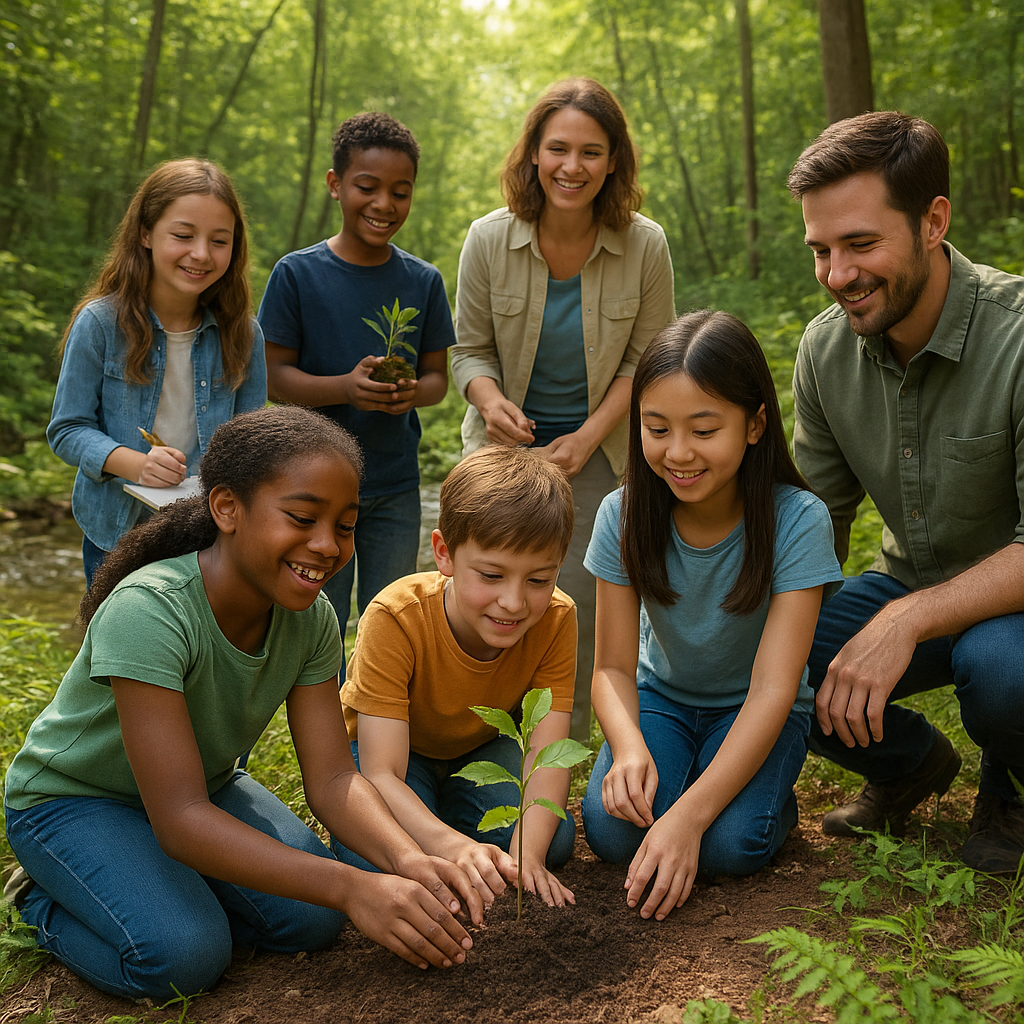
Youth leadership means more than encouraging young people to participate. It is about empowering them to take the lead in designing and implementing conservation projects. This means trusting youth with responsibility, valuing their perspectives, and supporting their growth as decision-makers.
Youth are often closer to the issues. They experience environmental changes firsthand and feel the urgency to act. When we support their leadership, we don’t just get help with tasks—we unlock creativity and resilience that can transform conservation efforts.
The Role of Education in Building Youth Leaders
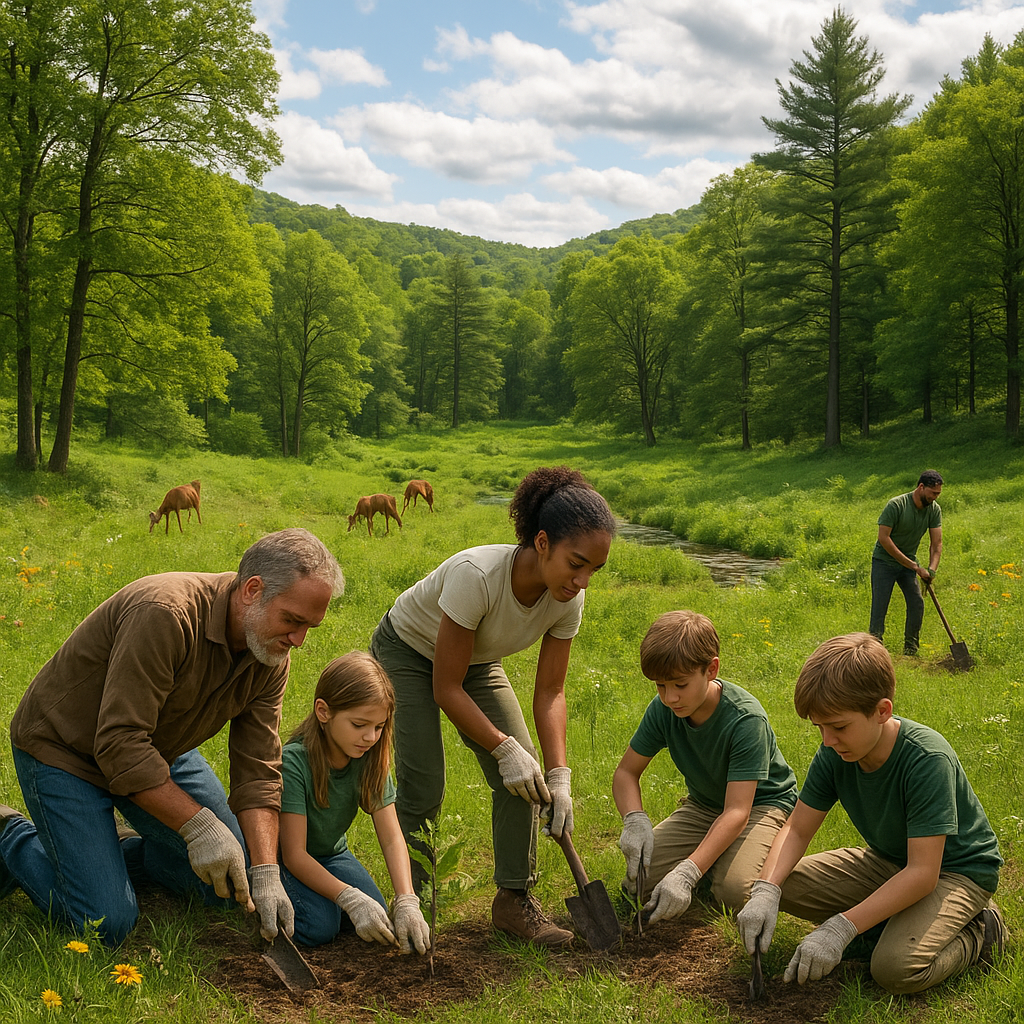
Education plays a key role here—but not just traditional classroom learning. Informal education through hands-on programs, community workshops, and storytelling circles fosters engagement and critical thinking. These experiences help young people understand complex environmental issues and develop skills to respond confidently.
When education connects directly to local ecosystems and community needs, it becomes meaningful and practical. Youth learn how to apply knowledge in real-world situations. This deepens their commitment and drives sustained involvement.
How Community Engagement Boosts Youth Leadership
Community engagement and youth leadership go hand in hand. Young leaders thrive when they are connected to their communities and supported by adults who listen and collaborate. By creating spaces where youth voices matter, communities tap into new energy and perspectives.
Engagement also means youth can co-create solutions rather than just follow instructions. This ownership is crucial for long-term impact. It builds a generation ready to protect and restore the environment with confidence and passion.
Real-Life Examples That Inspire
I recall a project in a small coastal town facing water pollution problems. Instead of telling youth what to do, we involved them from the start—listening to their concerns and ideas. They organized local river cleanups and created an awareness campaign using social media and school events.
The results were remarkable. The youth-led initiatives increased community participation and influenced local policies. What stood out was the pride and ownership the young leaders felt. This was not just a project to them—it was their future.
Practical Tips for Nurturing Youth Leadership in Conservation
If you want to encourage youth leadership, here are some strategies I’ve seen work well:
1. Create Open Listening Spaces
Begin by inviting youth to share their thoughts and ideas without judgment. Use forums, online groups, or informal meetups. Listening carefully builds trust and shows that their input is valued.
2. Partner With Trusted Community Mentors
Connect young leaders with local experts and influencers who can guide and support them. These relationships often open doors and help youth navigate challenges.
3. Design Hands-On, Inclusive Learning Opportunities
Offer activities that engage all senses—field trips, interactive workshops, or multimedia projects. Keep content accessible and relevant to diverse backgrounds.
4. Communicate Clearly and Simply
Avoid complex jargon. Use everyday language that invites participation. Clear communication fosters understanding and involvement.
5. Encourage Feedback and Adaptability
Youth-driven projects evolve. Regular check-ins and openness to change keep efforts aligned with community needs and youth interests.
Overcoming Challenges Is Part of the Journey
Youth leadership in conservation is rewarding but not without hurdles. Time, resources, and skepticism can slow progress. Some young leaders may face self-doubt or resistance from adults. Patience and persistence are key.
The most meaningful growth often comes from overcoming these obstacles. Trust builds gradually, and with it, the foundation for lasting impact.
Final Thoughts: Empowering Youth to Lead the Future
If you are interested in conservation, whether as an educator, organizer, or community member, consider the power of youth leadership. When young people lead, supported by strong education and community engagement, the results can be transformative.
Let’s open doors for youth to lead boldly. Let’s listen deeply and act together. The future of conservation depends on the next generation—and they are ready to rise.
Youth leadership in conservation is not a side project—it is the heart of sustainable environmental action. Together, we can nurture their potential and build healthier, stronger communities for all.