Choosing Native Tree Species Insights for April
Reforestation goes far beyond simply planting trees. It is about breathing life back into the earth — restoring the green lungs that sustain our planet. Over the years, I have explored many reforestation techniques, and one thing became clear: choosing native tree species is absolutely critical. Native trees hold the key to thriving ecosystems, resilient forests, and sustainable restoration.
Why Native Tree Species Matter in Reforestation
Our forests act as the planet’s lungs, soaking up carbon dioxide while producing oxygen. Yet deforestation driven by farming, urban growth, and logging continues to harm these vital ecosystems. Without careful reforestation, we risk losing biodiversity, undermining climate regulation, and accelerating soil erosion.
Selecting native trees for reforestation matters because these species are naturally adapted to local climate, soil, and wildlife. They support native animals, protect against pests, and help maintain balanced ecosystems. When we plant native trees, we honor the existing environment — building forests that stand strong over time.
Reforestation Techniques with a Focus on Native Species
Natural Regeneration: Nature’s Own Reforestation
Sometimes the smartest choice is to let nature take the lead. When soil remains healthy and nearby seed sources exist, native trees often regenerate on their own. Protecting these areas from livestock and human disturbance speeds up the process.
Natural regeneration is low-cost, fosters a rich mix of native genetics, and builds resilient ecosystems. It can be slow and won’t work where land is severely damaged, but it is a powerful tool to keep in mind.
Assisted Natural Regeneration (ANR): Guiding Nature’s Hand
Here, human effort gently supports native trees regrowing naturally. Removing invasive plants, managing pests, and boosting soil health can help native seedlings thrive.
ANR strikes a balance between effort and cost. While encouraging native species to flourish, it avoids overpowering nature, accelerating forest recovery, and uplifting biodiversity.
Direct Planting: Hand-Selecting Native Trees
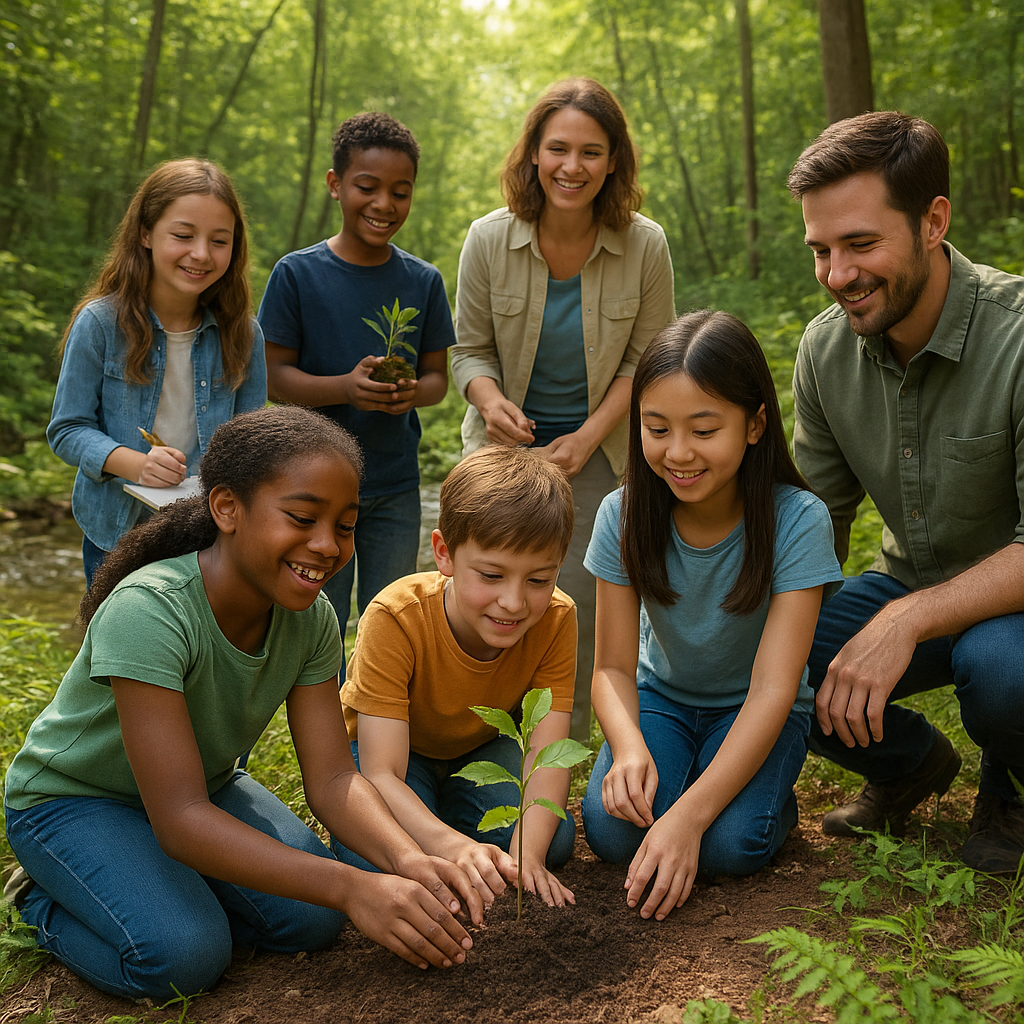
When planting manually, choosing native trees is key. Native species ensure better survival rates, less pest trouble, and stronger ecosystem connections.
Planting a mix of pioneer trees — fast-growing natives that improve soil — alongside slower-growing species for timber or fruit benefits both the environment and local communities. This diversity builds forest layers that mirror natural habitats.
Agroforestry: Growing Trees and Crops Together
Blending native trees with crops or livestock creates productive, healthy landscapes. Agroforestry allows farmland to regain tree cover without sacrificing yields.
Native trees increase soil fertility, reduce erosion, and support local wildlife. Plus, the mix of products like nuts, fruits, and shade helps farmers build steady incomes.
Assisted Migration: Moving Native Species Wisely
Climate change is reshaping where trees can live. Sometimes native species must be moved carefully to areas where they can thrive under future conditions.
This strategy takes deep ecological understanding and caution. The goal is to preserve native genetic diversity while adapting forests to warming climates.
What Field Experience Taught Me About Native Tree Reforestation
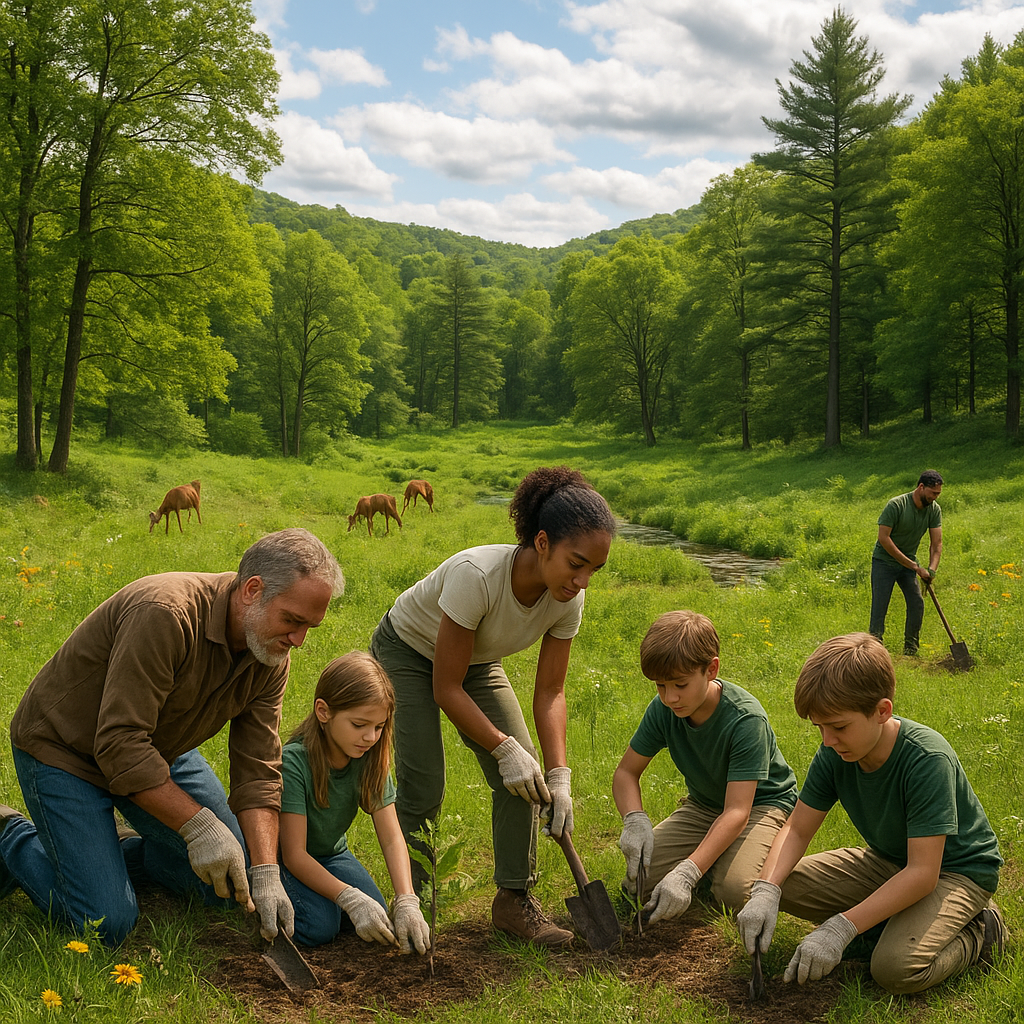
In a recent project, we combined natural regeneration with direct planting of native trees and agroforestry methods. We avoided one-size-fits-all methods and focused on local species suited to the soil and climate. The result: healthier soil, returning wildlife, and stronger community involvement.
It cemented an important lesson — native trees cannot be an afterthought. They are the foundation of successful, lasting forest restoration.
Tips for Anyone Focused on Native Tree Reforestation
- Start by identifying truly native tree species for your area. Local forestry or environmental groups are great resources.
- Assess soil health early. Amend or protect soil to improve native seedling survival.
- Involve local communities deeply. Their traditional knowledge about native species is invaluable.
- Use climate data to select native trees that will handle future weather patterns.
- Monitor your forest over years — adapting species choice and management as your forest grows.
Wrapping It Up: Native Trees, the Heart of Reforestation Success
Restoring forests is a complex, ongoing journey. But planting native tree species feels like planting hope itself. Native trees are the backbone of resilient ecosystems, biodiversity hotspots, and climate solutions.
My work has shown me that success comes from respecting nature’s blueprint. Mixing regeneration approaches while keeping native trees central turns restoration efforts into vibrant, living forests that will flourish for generations.
If you are stepping into reforestation now or looking to improve your efforts, focus on native trees. They will repay your care with strength, beauty, and life.
Let us commit to choosing native tree species this April — giving our green lungs the best chance to breathe easy today and always.