Defensible Space Workshop Ideas Insights for March
Forest fire prevention has become more than a concern—it has become a vital part of how we live near forests. I’ve spent years working alongside forest rangers and community members, learning firsthand how creating defensible space can save homes, ecosystems, and lives. This March, I want to share practical workshop ideas focused on defensible space that anyone organizing or attending a community event can benefit from.
Why Defensible Space Matters So Much
Living near woods means enjoying fresh air, shade, and wildlife. But it also means accepting responsibility. Defensible space is the buffer zone around homes and buildings where fuels like dry leaves, shrubs, and trees have been managed. This space slows or stops a wildfire, giving firefighters a better chance to protect property and lives.
I’ve seen the difference this space makes. A home surrounded by trimmed trees and cleared brush has a fighting chance when flames creep through the forest.
Workshop Idea 1: Basics of Creating Defensible Space
Start simple. Explain what defensible space means and why it is critical.
- Define the three zones: immediate zone around the structure (0-5 feet), intermediate zone (5-30 feet), and extended zone (30-100 feet).
- Describe what types of vegetation to remove or maintain in each zone.
- Show examples through photos or site visits.
Interactive discussions help participants picture the steps at their own homes.
Workshop Idea 2: Hands-On Yard Assessment
Theory is important, but nothing beats getting outside.
- Invite homeowners to bring photos or maps of their property.
- Facilitate small group discussions on existing conditions.
- Help identify hazardous vegetation and areas needing clearing.
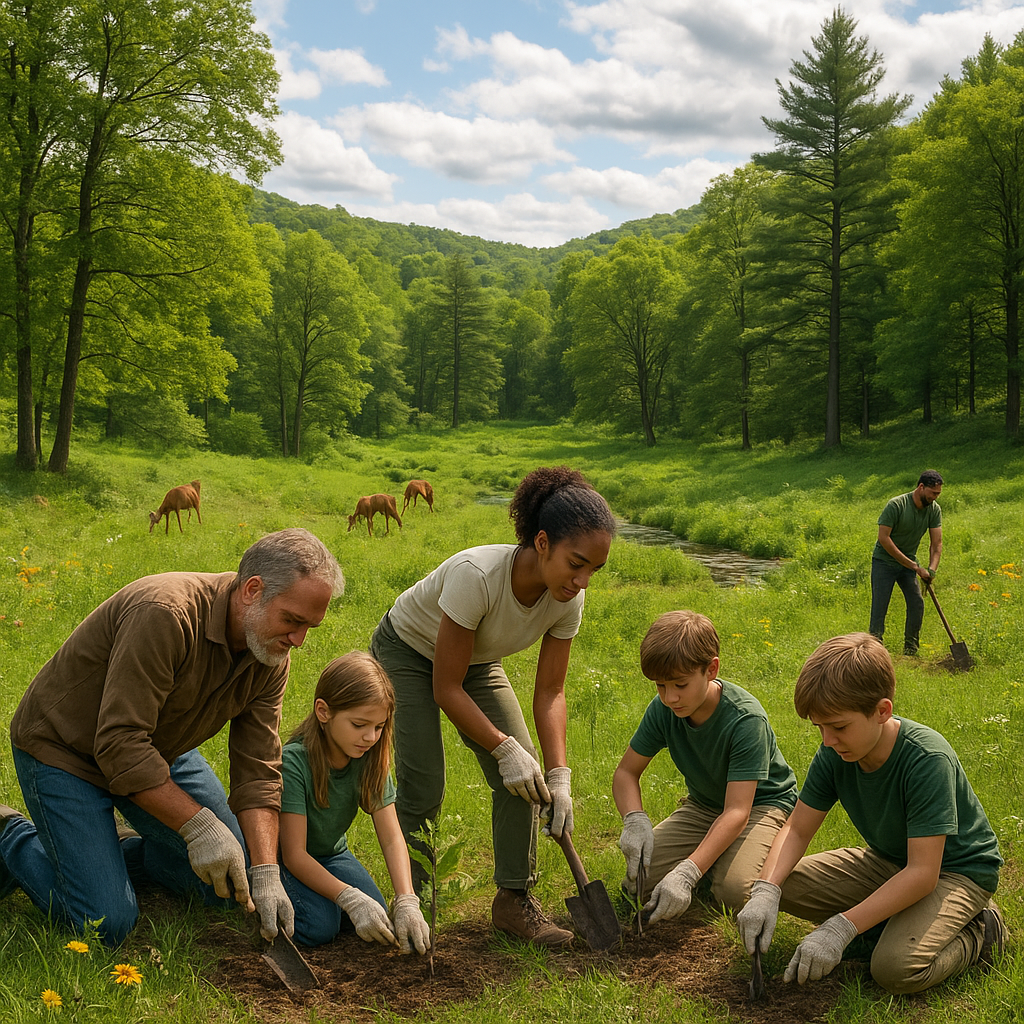
- Demonstrate proper trimming, pruning, and debris removal techniques using tools.
People leave workshops with a clear action plan and confidence to make changes.
Workshop Idea 3: Fire-Resistant Landscaping Tips
Landscaping isn’t just about beauty—it’s a first line of defense.
- Teach about fire-resistant plants suitable for the local climate.
- Explain how spacing and placement can reduce wildfire risk.
- Cover mulch choices, irrigation techniques, and maintenance practices.
- Share local resources or native plant nurseries for sourcing materials.
This helps participants combine safety with aesthetics.
Workshop Idea 4: Property Maintenance and Emergency Preparedness
Defensible space is ongoing, not a one-time fix.
- Outline seasonal yard maintenance routines.
- Discuss creating and maintaining emergency access routes.
- Review local regulations and fire restrictions.
- Provide guidance on emergency kits, evacuation plans, and communication.
Preparedness complements defensible space for comprehensive protection.
Workshop Idea 5: Community Engagement and Volunteer Opportunities
Strong communities reduce wildfire risks exponentially.
- Encourage neighborhood clean-up days focused on fuel reduction.
- Organize volunteer patrol or lookout groups during fire season.
- Collaborate with local fire departments for joint events.
- Use social media and newsletters to spread awareness and updates.
Community buy-in turns individual efforts into a powerful collective shield.
Using Technology to Enhance Workshops
Modern tools can boost workshop impact.
- Employ drone footage or satellite images to show local fire risks.
- Use apps to help participants assess their property’s defensibility.
- Share websites and portals that provide fire risk maps and weather alerts.
Technology adds clarity and urgency, motivating action.
My Final Thoughts: Empowering Action Through Knowledge
When I lead defensible space workshops, I see the spark in people’s eyes—the realization that small, consistent actions matter. We can’t stop nature’s forces entirely, but we can tip the balance. March is the perfect month to prepare before summer’s dry heat arrives.
If you are thinking about running a defensible space workshop, or just want to protect your own home better, start here. Break it down into clear steps, connect people with resources, and build community spirit.
Remember, defensible space is protection. It’s resilience. And most of all, it’s hope.
Have you attended or led a defensible space workshop? What tips or ideas worked best? Share below to keep this important conversation growing.