Urban Habitat Pocket Parks Insights for March
I have always believed that even the smallest patch of green in a city holds immense potential. These little oases—urban habitat pocket parks—are more than just pretty spots amid concrete and steel. They are vital pockets of life that reconnect us with nature in the heart of urban landscapes. But restoring and creating these habitats is no simple task; it requires intention, care, and a deep understanding of the environment we work with.
What Are Urban Habitat Pocket Parks?
Urban habitat pocket parks are small green spaces tucked within cities. Despite their size, they serve as essential sanctuaries for native plants, birds, insects, and other wildlife. These parks play a crucial role in supporting biodiversity where larger natural areas may not exist. For city dwellers, they offer a chance to breathe fresh air, observe wildlife, and find a moment of peace.
The goal of creating or renewing these parks is to foster resilient ecosystems that can thrive amid urban challenges such as pollution, noise, and human activity.
Why Do Urban Pocket Parks Matter?
It’s easy to overlook the importance of small urban parks, but their value is enormous:
- Boosting Biodiversity: Each pocket park supports native species, from pollinators fluttering among wildflowers to birds nesting in shrubs. They create a network of green spaces that wildlife can use to move safely through the city.
- Climate Mitigation: Urban parks help cool city temperatures, absorb CO2, and manage stormwater runoff, making cities more resilient to climate extremes.
- Enhancing Human Wellbeing: These green spaces improve mental health, encourage physical activity, and strengthen community ties.
- Environmental Education: They serve as outdoor classrooms where people can learn about local ecology and the importance of conservation.
In short, pocket parks help knit nature back into the urban fabric, making cities healthier places for all living things.
Challenges in Developing Urban Habitat Pocket Parks
Creating habitat in dense city environments comes with its own set of hurdles:
Limited Space
Space in cities is at a premium. Designing functional habitat areas within tight confines demands creativity and precision.
Soil Quality and Contamination
Urban soils are often compacted and polluted, which can hinder native plants from taking root. Addressing soil health is a vital first step.
Invasive Species
Non-native plants can quickly take over small parks, choking out native vegetation and reducing habitat value.
Fragmentation and Isolation
Pocket parks can become ecological islands if not connected properly, limiting the movement and survival chances of wildlife.
Ongoing Maintenance
Maintaining these spaces requires regular care, from controlling invasives to monitoring plant health and ensuring safety for visitors.
How to Restore and Build Successful Urban Pocket Parks
Based on my experience, here is a practical roadmap to creating thriving urban habitat parks:
1. Site Assessment and Planning
Start by understanding the current conditions:
- Identify existing plants and animals.
- Test soil health.
- Analyze sunlight and water patterns.
- Consider the surrounding urban environment.
Plan with clear goals that balance ecological needs with community use.
2. Threat Removal
Before adding new plants, remove invasive species carefully and test for soil contaminants. Sometimes targeted cleanup or soil amendment is necessary to set the stage.
3. Native Plant Reintroduction
Selection matters. Choose native flowers, shrubs, grasses, and trees suited to the site and local climate. Native plants provide food and shelter uniquely tailored to native wildlife.
4. Supporting Urban Wildlife
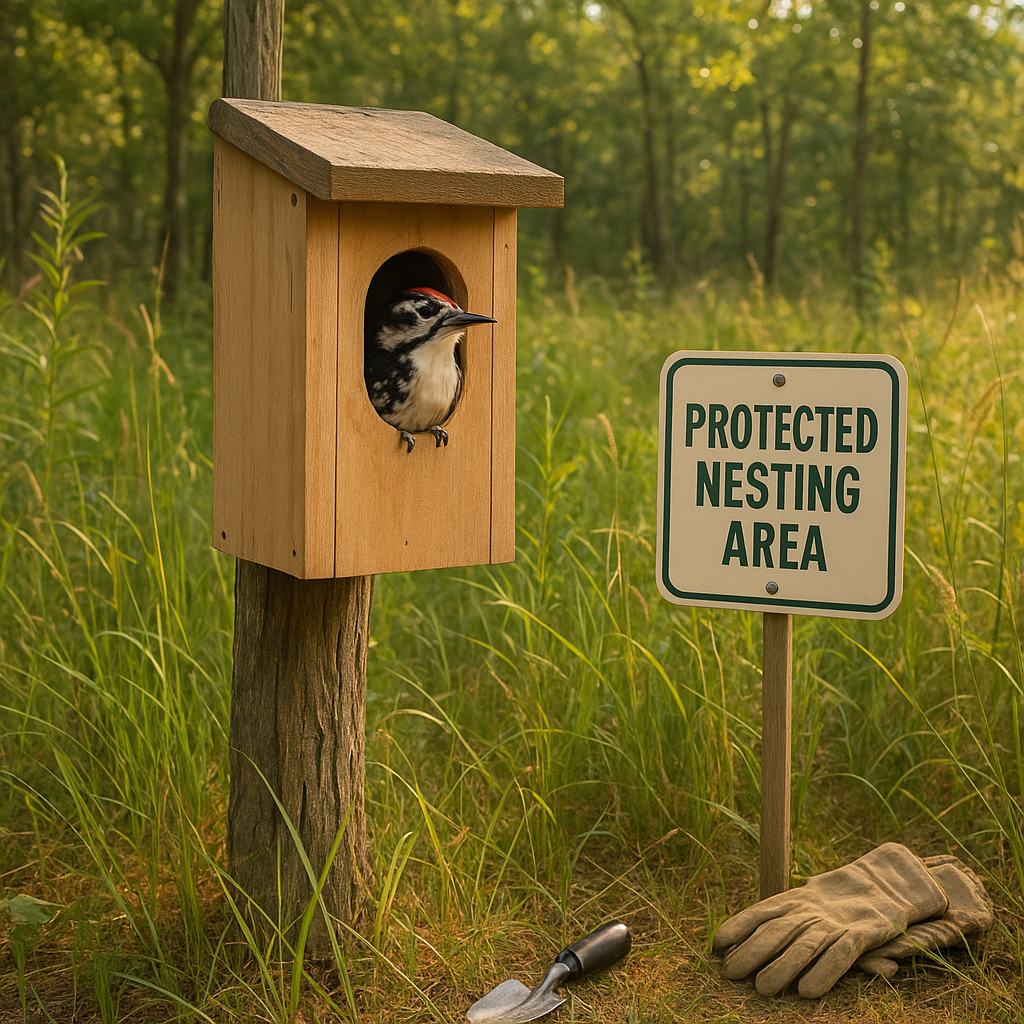
Design features that invite wildlife can include bird boxes, insect hotels, and water features. Encouraging natural recolonization improves habitat vibrancy over time.
5. Community Engagement and Education
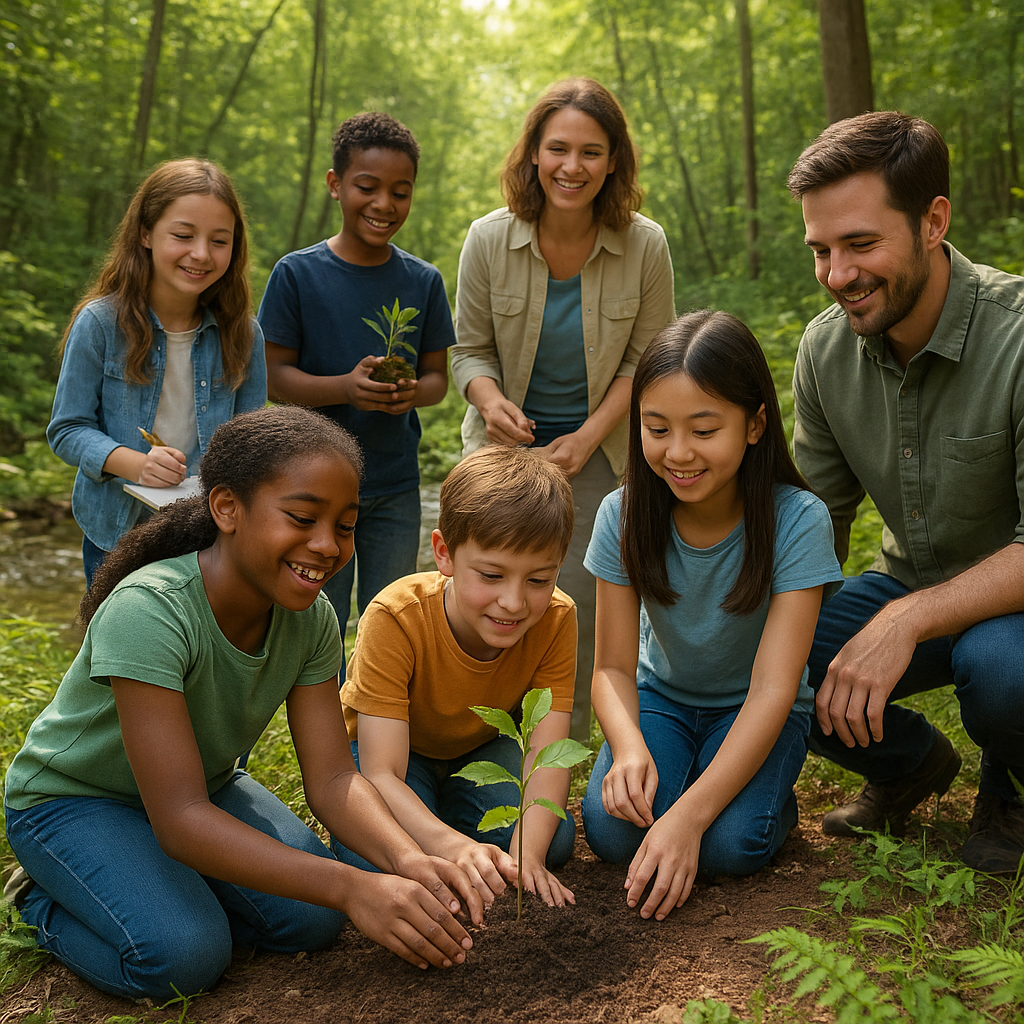
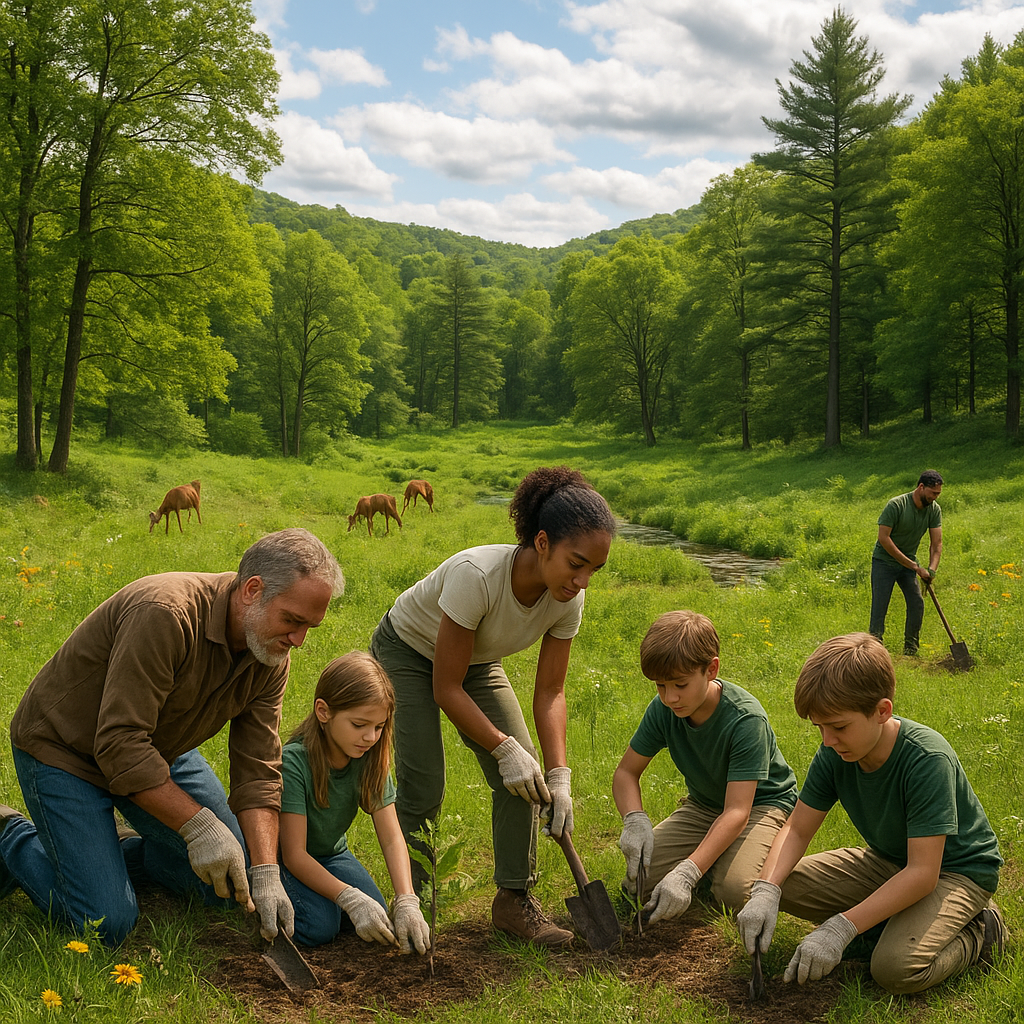
Involving local residents fosters stewardship. Volunteer programs, signage explaining native plants and animals, and events boost awareness and care.
6. Monitor and Maintain
Keep a close eye on plant growth and wildlife presence. Adjust management plans as needed to tackle new issues or improve habitat quality.
A Glimpse into My Work With Urban Pocket Parks
Over the years, I have had the privilege to contribute to several urban habitat projects. One project stands out—a small triangular lot in a bustling city center transformed into a pollinator-friendly pocket park. Watching bees, butterflies, and native birds return was a daily reminder that even the smallest green spaces matter profoundly.
But I also learned that creating such habitats requires patience. Nature takes time to respond, especially amid urban pressures. Restoration is not about quick fixes but steady, thoughtful nurturing.
How You Can Make a Difference
You do not need acres of land or specialized training to support urban habitat restoration. Here are simple actions you can take:
- Plant native species in your yard, balcony, or community garden.
- Reduce pesticide and chemical use around your home.
- Support local urban greening projects with time or donations.
- Advocate for green space in city planning decisions.
- Learn about local wildlife and encourage friends to do the same.
Together, small efforts add up to big wins for urban biodiversity.
Looking Forward: The Future of Urban Pocket Parks
The challenges cities face grow daily. Yet so do the tools and awareness needed to succeed. Advances in mapping technologies help identify where pocket parks can make the most difference. Community-driven projects are empowering neighborhoods to reclaim spaces for nature. Policy shifts increasingly recognize urban green spaces as essential infrastructure.
This all makes me optimistic. Pocket parks are not just fleeting green spots; they are living, breathing parts of urban life that have the power to transform cities—and our relationship with nature—one small plot at a time.
Final Thoughts
Urban habitat pocket parks are more than nice-to-haves. They are critical refuges for wildlife and essential resources for city residents. Creating and restoring them is a complex but incredibly rewarding endeavor. It demands knowledge, collaboration, and above all, patience.
If you care about nature thriving where you live, consider joining this meaningful work. Every flower planted, every invasive plant removed, every moment spent appreciating these green spaces helps bring life back in the city. This is not just restoration. It is stewardship, renewal, and hope for a future where nature and urban life flourish side by side.