Neighbor-To-Neighbor Planting Insights for March
When I think about neighbor-to-neighbor planting, I realize how powerful community engagement and education truly are in making it happen. These two concepts aren’t just buzzwords thrown around in meetings—they are the heart of building stronger, greener neighborhoods. If you’re thinking about starting or growing a planting project this March, understanding this connection can make all the difference.
What Is Neighbor-To-Neighbor Planting?
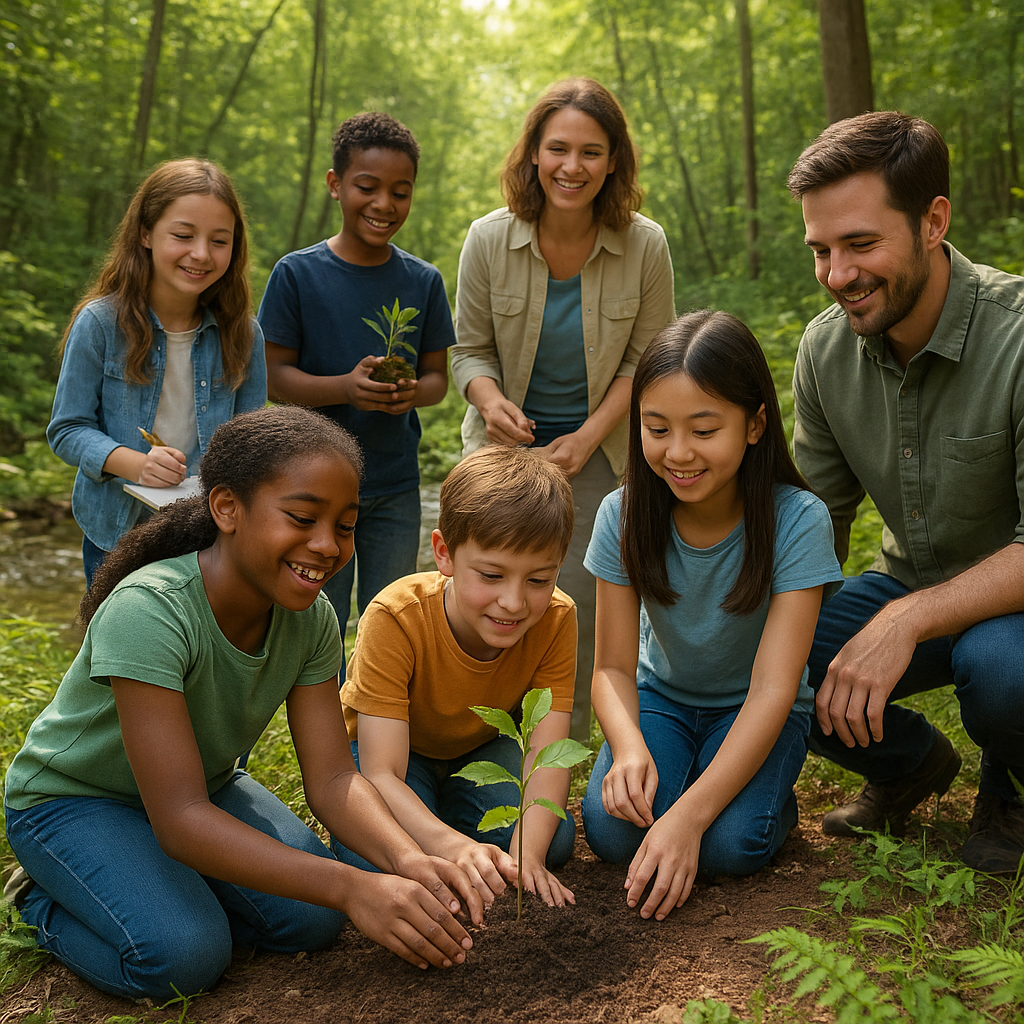
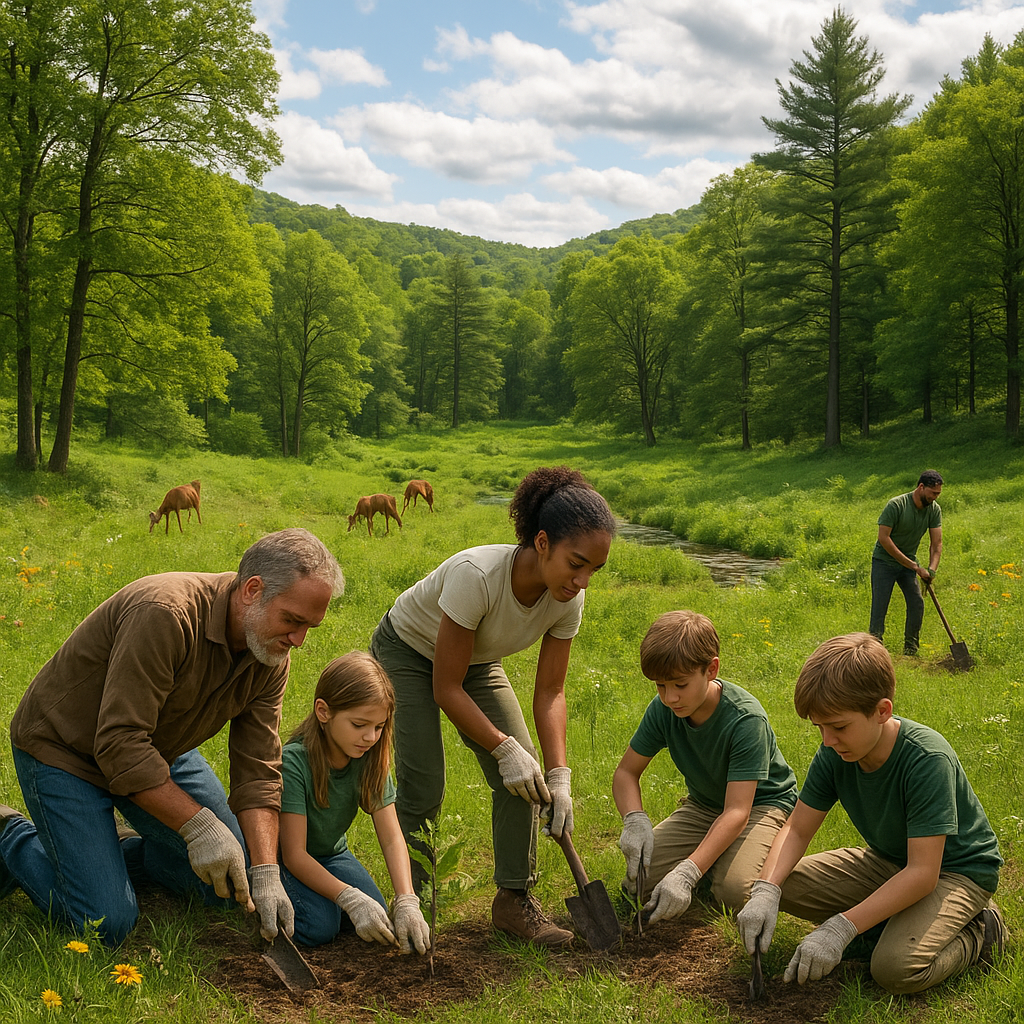
Simply put, neighbor-to-neighbor planting is about neighbors coming together to green their surroundings. This could be planting flowers, vegetables, or trees in shared spaces, front yards, or community gardens. The goal goes beyond beautification — it’s about community connection, shared learning, and mutual support.
When neighbors share seeds, tools, or planting tips, they engage deeply. Everyone’s voice and effort count, which builds trust and creates a real sense of belonging. This kind of planting is about collaboration, not competition.
Why Begin With Engagement?
People thrive when they feel connected. When we plan a planting project as a group rather than alone, the results are better — healthier plants, well-maintained gardens, and stronger relationships. Engagement is more than just getting people to show up; it is about sparking conversation, understanding concerns, sharing knowledge, and inspiring action.
If neighbors feel left out, the project can falter. I have seen promising garden efforts lose momentum because organizers did not bring everyone into the conversation. Listening and involving people early paves the way for success.
Education: The Secret Ingredient
Education plays a crucial role here and it’s not about formal lessons or complicated jargon. Think of it as sharing what you know in simple, relatable ways. Teaching someone how to plant tulip bulbs, care for tomatoes, or prepare soil properly empowers them to participate confidently.
Education in neighbor-to-neighbor planting must be accessible and ongoing. March is a perfect time for planting preparation, but everyone’s knowledge level varies. When neighbors exchange tips, share seeds, or hold informal workshops, the community’s collective expertise grows.
Using clear language, visuals, and demonstrating techniques can make learning approachable. This is especially important when neighbors come from different backgrounds or experience levels.
How Engagement and Education Feed Each Other
These two elements are deeply connected. Engagement encourages learning, and education motivates involvement. I’ve seen how sharing knowledge encourages neighbors to take ownership of their shared spaces. When people learn from each other, the energy multiplies.
One memorable community garden I worked with began with neighbors cautiously exchanging ideas about vegetable varieties suited to our local climate. As workshops and shared planting days unfolded, everyone gained confidence and responsibility. This synergy is what brings projects like these from good ideas to thriving realities.
The Benefits of Neighbor-To-Neighbor Planting
When neighbors collaborate on planting, the benefits go well beyond a pretty yard or fresh produce:
- Stronger community ties: Working side by side creates friendships and support networks.
- Environmental improvements: More green spaces clean the air, cool neighborhoods, and support wildlife.
- Economic savings: Sharing seeds and tools reduces costs and encourages sustainable habits.
- Health and well-being: Gardening promotes physical activity, reduces stress, and provides fresh food.
- Social equity: Everyone can contribute and benefit regardless of age, money, or background.
Challenges You Might Face
It’s not always smooth sailing. Different schedules, interests, and experience levels can pose challenges. Cultural differences or language gaps might make communication tricky. Sometimes there’s skepticism about getting involved or about whether the effort will last.
Patience and honest communication help overcome most barriers. I recommend being open about goals and ready to listen and adjust. Combining in-person meetings with digital tools can help include more people without leaving anyone behind.
Practical Tips to Get Started This March
If you want to bring neighbor-to-neighbor planting to your neighborhood this spring, try these steps:
- Start by listening: Host a casual meeting to hear about neighbors’ interests and ideas.
- Find local champions: Identify neighbors who are excited and willing to lead or support.
- Keep education simple and fun: Use stories, photos, and hands-on demonstrations.
- Create welcoming environments: Make sure everyone feels safe and comfortable to participate.
- Mix communication methods: Combine flyers, social media, and face-to-face talks.
- Stay flexible: Gather feedback and be willing to change plans as needed.
- Celebrate together: Recognize efforts and share the fruits of your labor to boost morale.
Final Thoughts
Neighbor-to-neighbor planting is more than gardening; it’s a practice of community building through engagement and education. The magic happens when neighbors connect and share knowledge, transforming outdoor spaces and relationships. This March, consider how you can encourage planting efforts in your neighborhood by starting conversations and sharing skills.
Because at the end of the day, that’s how vibrant, resilient communities grow — one plant, one conversation, and one neighbor at a time.
Join the Conversation
I would love to hear your experiences with neighbor-to-neighbor planting. What worked well? What challenges did you face? Share your stories and ideas so we can keep learning from one another. Together, we can make our neighborhoods greener and stronger.