Nesting Box Installation Guide Insights for March
If you want to support wildlife and boost biodiversity right in your backyard, installing nesting boxes is one of the best projects you can undertake. Over the years, I have learned that providing safe homes for birds and small mammals not only helps individual species but also strengthens local ecosystems. March is an ideal time to focus on nesting box installation because many species begin preparing for the breeding season.
In this guide, I’ll share key insights on why nesting boxes matter, how to choose the right type, and the best practices for installing and maintaining them. Whether you are a seasoned conservationist or someone new to habitat restoration, this information will help you make a tangible difference.
Why Nesting Boxes Are Key to Wildlife Habitat Restoration
Natural nesting sites are disappearing everywhere. Old trees are cut down, urban expansion clears out shrubs, and invasive species disrupt native vegetation. This loss leaves many birds and small mammals without adequate places to raise their young.
Installing nesting boxes fills that gap perfectly. It offers a secure shelter that protects wildlife from predators and harsh weather. Plus, when you place nesting boxes thoughtfully, you encourage breeding pairs to settle in your area, increasing local diversity.
More nesting sites mean more chicks, more adults, and a stronger community of animals. And a thriving wildlife presence contributes to ecosystem health by controlling insect populations, pollinating plants, and enriching the soil.
Choosing the Right Nesting Box
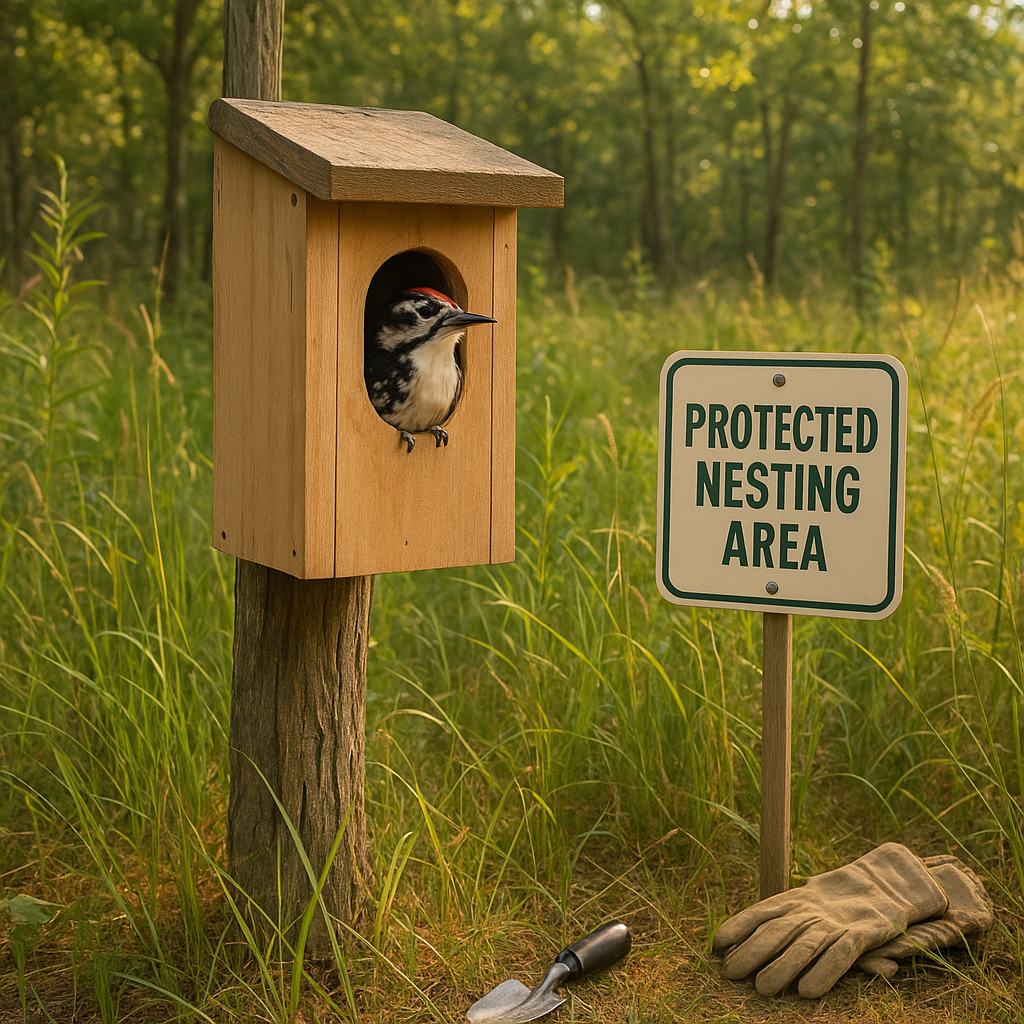
Not all nesting boxes are created equal. The species you want to support determines the size, shape, entrance hole diameter, and material of the box.
- For Small Songbirds like Wrens and Chickadees: Use boxes with a small entrance hole around 1 to 1.25 inches wide.
- For Bluebirds: Choose a box with a hole roughly 1.5 inches wide, mounted 4 to 6 feet above ground.
- For Owls or Larger Birds: Larger boxes with wide entrances or open fronts are necessary.
- For Bats or Mammals: Specialized bat boxes or nest boxes for squirrels have unique designs and placements.
Always use untreated wood to prevent harmful chemicals from affecting the animals. Also, ensure there is proper ventilation and drainage so the box stays dry and safe.
Perfect Timing: March is Prime Time for Installation
Why March? Nesting season is just starting, which means installing boxes now gives wildlife ample time to find them and settle in. Early installation also allows any minor fixes to be made before eggs are laid.
Keep in mind that some species return to the same nesting sites annually. Placing boxes early helps attract these established birds or mammals and encourages new ones to occupy the habitat.
How to Install Nesting Boxes Correctly
Placement matters just as much as design. Here are my top tips for effective installation:
- Height and Location: Mount boxes at species-specific heights and in locations that offer protection from strong winds and direct afternoon sun. Partial shade is often best.
- Mounting Method: Use sturdy poles, trees, or building structures. Secure the box firmly to prevent wobbling but avoid penetrating live tree trunks deeply.
- Spacing: Keep boxes far enough apart to avoid territorial disputes. Research species behavior to get the spacing right.
- Predator Guards: Install barriers or metal baffles under boxes to keep out climbing predators like raccoons or snakes.
- Clean and Maintain: At the end of each breeding season, open boxes to clear out old nests and debris. This helps prevent parasites and encourages reuse.
Common Challenges and How to Overcome Them
Every project has hurdles. Some challenges I’ve faced include:
- Predation Pressure: It’s frustrating to lose eggs or chicks, but predator guards and thoughtful location choices go a long way.
- Weather Damage: Nesting boxes exposed to heavy rain or scorching sun deteriorate quickly. Use weather-resistant materials and install in sheltered spots.
- Community Opposition: Neighbors might worry about increased wildlife or mess. Talking openly about the benefits and sharing progress photos usually wins support.
Remember, persistence and patience are key. It can take time to see an occupied box, but the payoff is immense.
How You Can Help Beyond Installation
Installing nesting boxes is just one step. Here’s how you can further support wildlife in your area:
- Plant Native Vegetation: Provide food and cover to complement the shelter that boxes offer.
- Avoid Pesticides: Chemicals reduce insect food supplies and harm many species.
- Monitor and Record: Keeping track of nesting success helps understand patterns and improve your efforts.
- Get Involved Locally: Join conservation groups that focus on habitat restoration and awareness.
Final Thoughts on Nesting Box Installation
Installing nesting boxes every spring is a simple yet powerful act for wildlife conservation. It connects us to the rhythms of nature and restores critical shelter for animals struggling with habitat loss.
March is the perfect month to prepare, install, and maintain boxes, giving wildlife the best start to their breeding season. Whether in your backyard, community garden, or local park, these small structures can unleash big benefits.
If you want to see nature thrive where you live, start with a nesting box. Build or buy one thoughtfully. Put it in the right spot. Check on it regularly. And watch as life takes hold.
Thank you for joining me in supporting wildlife habitats. Together, we can build safer homes for the creatures that enrich our world, one nesting box at a time.