School-Yard Forest Clubs Insights for March
When I first heard about school-yard forest clubs, I thought they were just another extracurricular activity. But after spending time working with these clubs, I quickly realized they offer so much more. These clubs are powerful tools for community engagement and education, creating meaningful connections between students, schools, and their local environment.
What Are School-Yard Forest Clubs Really About?
At their heart, school-yard forest clubs focus on nurturing a love for nature among young people. But it goes beyond that. It is about building relationships between students, teachers, families, and the community through hands-on learning outside the traditional classroom setting.
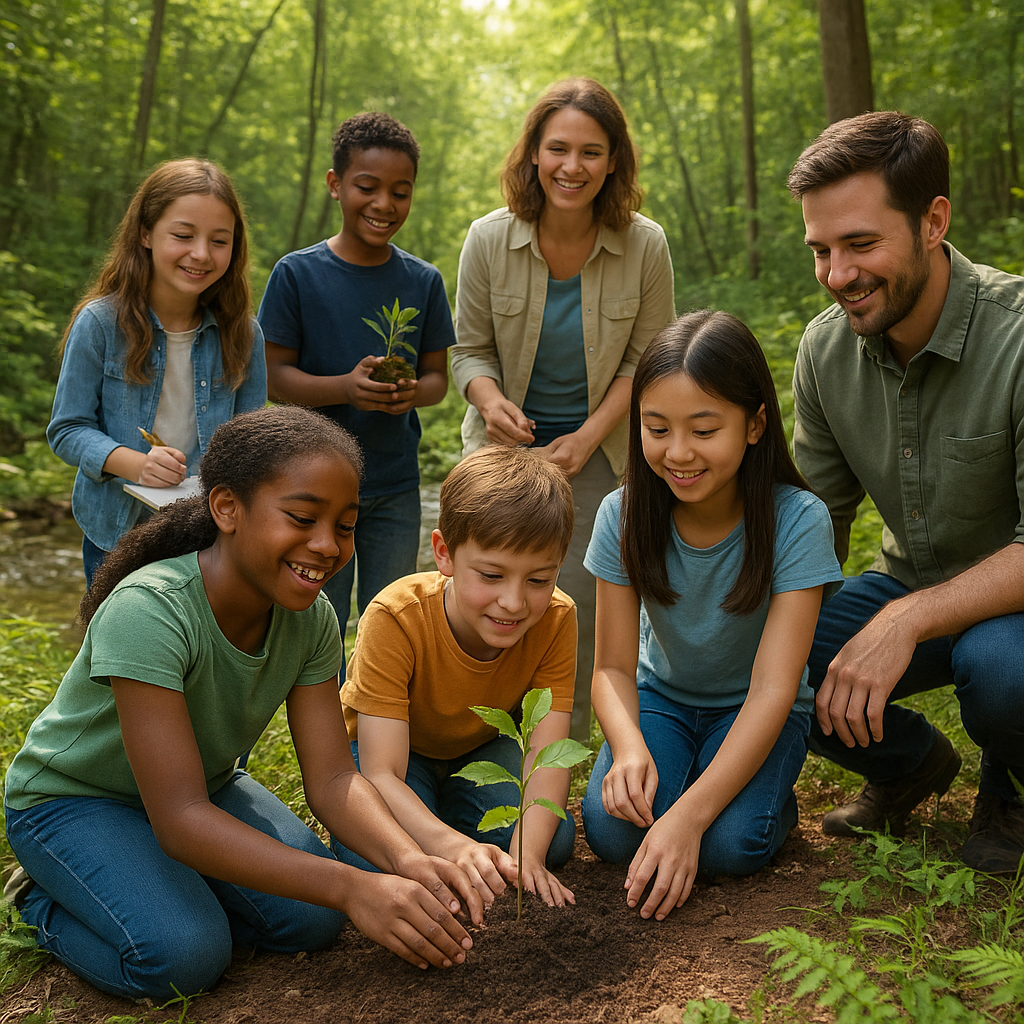
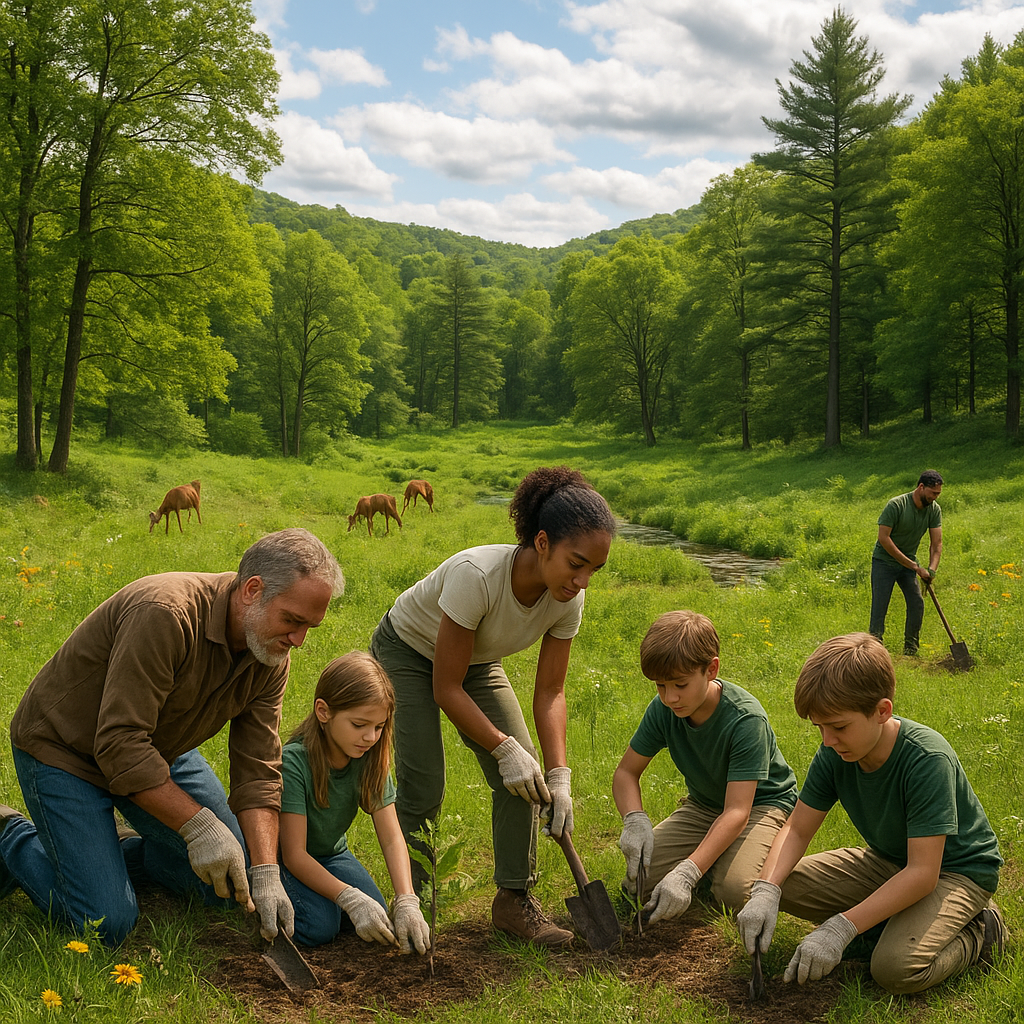
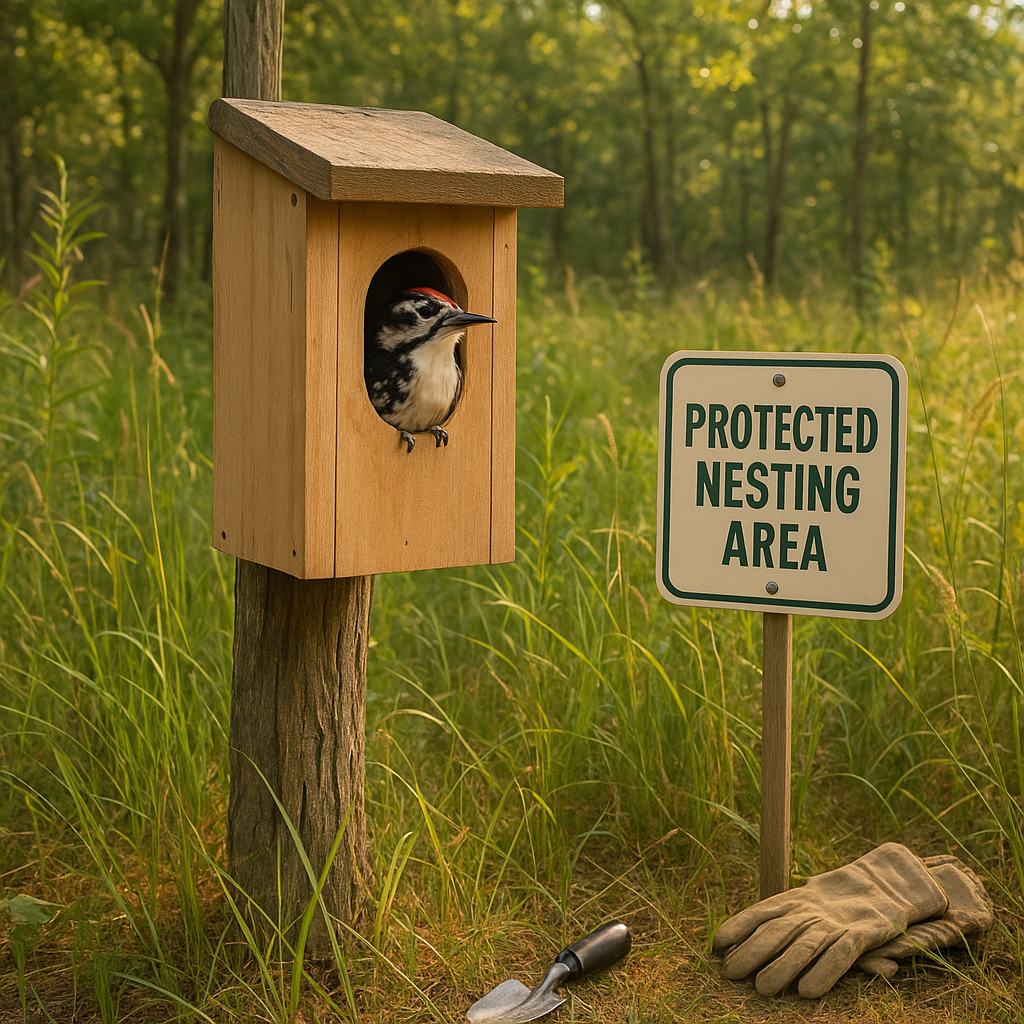
The value lies in fostering an active role in caring for the environment. Kids don’t just learn about trees and wildlife from books. They experience it firsthand. They plant trees, identify local species, monitor habitats, and engage in conservation projects. These activities strengthen their sense of responsibility and connection to the natural world right outside their school gates.
Why Education and Engagement Matter in Forest Clubs
Education in school-yard forest clubs is not limited to facts and figures. It is an ongoing exchange where kids and adults learn together. When students get involved, they gain skills and confidence. They discover how their actions can make a difference in their community and beyond.
This blend of education and engagement encourages long-term impact. For example, at one school I worked with, students launched a trail clean-up and native plant restoration project through their forest club. Instead of just a one-time event, the students took ownership and made it a regular effort. The schoolyard transformed into a vibrant green space, and so did the students’ connection to it.
Effective Strategies in School-Yard Forest Clubs
Over time, I have seen certain strategies lead to more successful forest clubs:
1. Be Present in the Community
Showing up consistently matters. Whether it means attending school events, volunteering during after-school sessions, or simply chatting with parents, being genuinely present builds trust and encourages participation. Each interaction is an opportunity to listen and learn what matters most to the students and the community.
2. Use Clear and Inclusive Communication
Complicated language or technical jargon can quickly lose interest. I’ve found that explaining concepts using simple words, colorful visuals, and hands-on demonstrations keeps kids engaged and curious. This approach also ensures that everyone, regardless of background or ability, can participate and feel welcomed.
3. Encourage Peer Learning and Leadership
Peers learn best from each other. Forest clubs that promote student-led projects and peer teaching foster leadership skills and stronger bonds. For instance, older students mentoring younger ones helped build a supportive community and ensured knowledge was passed down naturally.
4. Partner with Local Experts and Leaders
Bringing in local naturalists, gardeners, or community advocates adds depth and credibility. These collaborations provide diverse perspectives and connect the forest club with broader community goals. Supporting local leaders within the club also ensures sustainability beyond any one person or school year.
Common Challenges and How I Navigate Them
Of course, working with school-yard forest clubs comes with its challenges.
- Engagement Levels Vary: Some kids are super enthusiastic, while others need more encouragement.
- Limited Resources: Time, funds, and materials can be tight.
- Different Needs: Each school and community is unique and requires tailored approaches.
My approach is grounded in patience and adaptability. I always welcome feedback, adjust plans as needed, and try to find creative solutions. Sometimes that means smaller projects with visible results to build momentum. Other times, it involves reaching out to community partners for support or organizing flexible meeting times to fit everyone’s schedule.
The Bigger Picture: Impact Beyond the Schoolyard
What excites me most is seeing the ripple effects. Forest clubs do more than green spaces—they grow confident young leaders and inspire family and neighborhood participation. These efforts often spark further interest in environmental issues, healthy lifestyles, and community cooperation.
I have witnessed students who started as hesitant participants become passionate advocates for sustainability. They not only improve their school environment but also influence broader conversations about conservation and stewardship in their communities.
Final Thoughts
School-yard forest clubs are vibrant examples of how education and engagement blend to create lasting positive change. It is not about quick wins but about planting seeds—literally and figuratively—for a healthier planet and a more connected community.
If you are involved in education, community work, or just passionate about nature, I encourage you to explore and support these clubs. Show up, listen, communicate clearly, and empower local voices. Together, we can nurture a new generation that values and protects our natural world.
Thank you for reading my reflections. If you want to learn more about community-focused environmental education or share your experiences with forest clubs, please reach out. I would love to connect and keep the conversation growing.