Pollinator Corridor Design Insights for February
Wildlife habitat restoration has always been something I hold close to my heart. But when it comes to creating corridors specifically for pollinators, the process takes on a new level of significance. Imagine a vibrant pathway stretching across landscapes, buzzing with bees, fluttering with butterflies, and supporting countless other pollinating species crucial to our ecosystems. This is pollinator corridor design – a targeted effort to connect thriving habitats and give these essential creatures a fighting chance.
Why Pollinator Corridors Matter
Pollinators are the unsung heroes of nature. They play a critical role in maintaining biodiversity, supporting food production, and ensuring ecosystem stability. But their habitats face fragmentation from development, agriculture, and climate pressures. When habitats become isolated, pollinators struggle to find food, mates, and safe places to rest.
Here is why establishing pollinator corridors is vital:
- Support Biodiversity: Corridors link fragmented habitats, allowing pollinators to move freely and diverse plant species to bloom.
- Enhance Crop Pollination: Many food crops depend on pollinators, making corridors crucial for agricultural productivity.
- Strengthen Ecosystem Resilience: Healthy pollinator populations help ecosystems adapt to change by sustaining plant reproduction.
Simply put, these corridors are lifelines.
The Foundations of Effective Pollinator Corridor Design
Designing a pollinator corridor goes far beyond planting flowers randomly. It requires thoughtful planning rooted in science and local knowledge.
1. Understanding Your Site
The first step is assessing the site carefully. You need to know:
- What pollinator species are native or often found in the area
- Existing habitat conditions and landscape connectivity
- Blooming periods of native plants to ensure food is available across seasons
Gather information through field surveys, local ecological data, and even citizen science projects.
2. Choosing Native Plants Strategically
Not all flowers are created equal when it comes to pollinators. Native plants are top choices because pollinators have co-evolved with them. Selecting a diverse mix that blooms from early spring to late fall supports pollinators throughout their active periods.
Aim to include plants that provide:
- Nectar and pollen sources
- Shelter and nesting material
- Host plants for butterfly caterpillars and other insects
3. Structuring the Corridor for Movement and Protection
A good corridor is continuous and safe. Think of it as a green highway for pollinators that connects larger habitat patches. This involves:
- Minimizing gaps or obstacles that pollinators can’t cross easily
- Using vegetative buffers to shield pollinators from pesticides and harsh weather
- Integrating features like water sources and nesting sites
4. Monitoring and Managing for Success
Once your corridor is established, ongoing care is essential. Monitor the pollinator activity regularly. Are native bees visiting? Butterfly numbers increasing? Adjust your planting and maintenance accordingly. Control invasive species that could choke out native plants.
Personal Experience with Pollinator Corridors
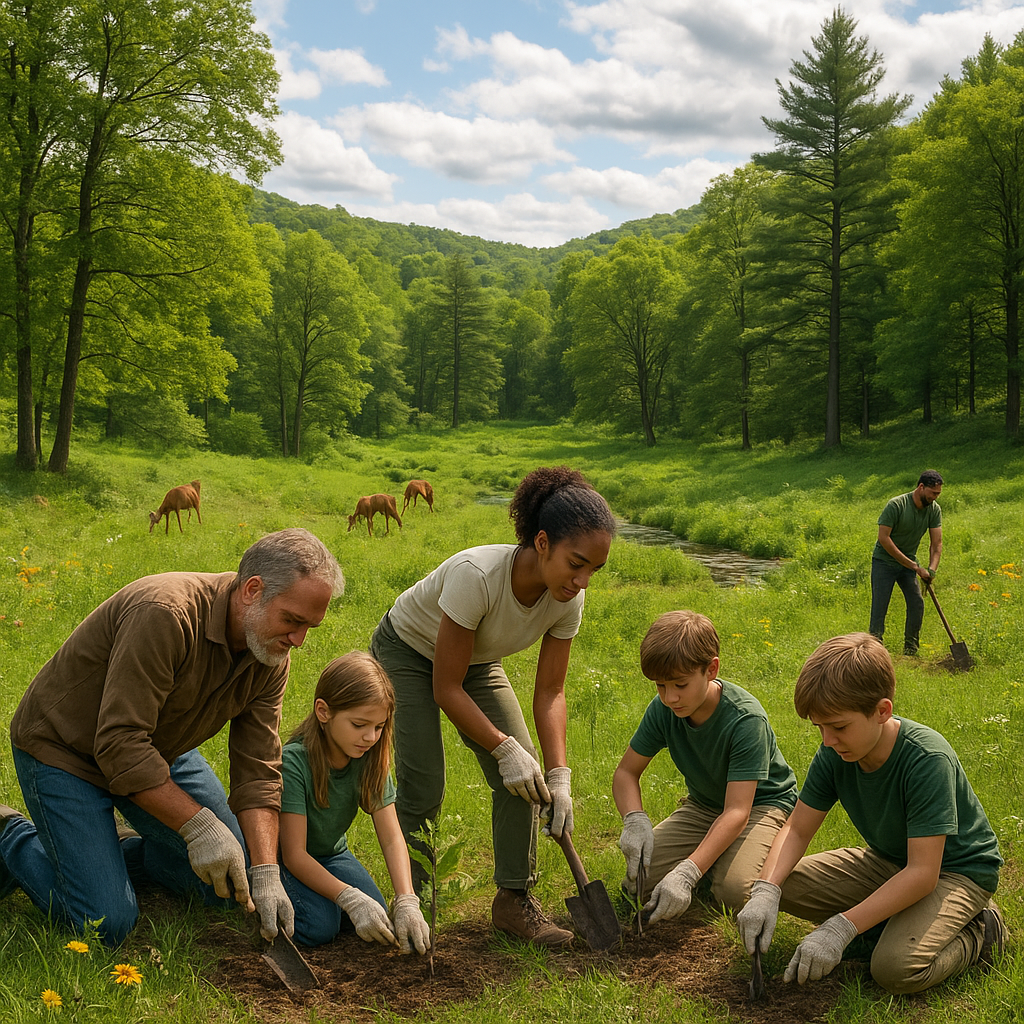
I recall working on a corridor project in a suburban area where natural habitats were severely fragmented. We started by mapping local native pollinators and the best native plants. Then step by step, we installed pollinator-friendly plants along a narrow strip running between parks and a community garden.
The transformation was remarkable. From almost no pollinator presence, we soon observed honeybee hives thriving nearby, monarch butterflies fluttering through, and a host of native solitary bees busy at work. It was proof that even small corridors can make a big difference when designed thoughtfully.
How You Can Make a Difference Right Now
You don’t need to be an expert or own vast land to support pollinator corridors. Here are practical ways to pitch in:
- Plant native flowers in your garden or window boxes. Pay attention to bloom times; more seasons with flowers equal more support.
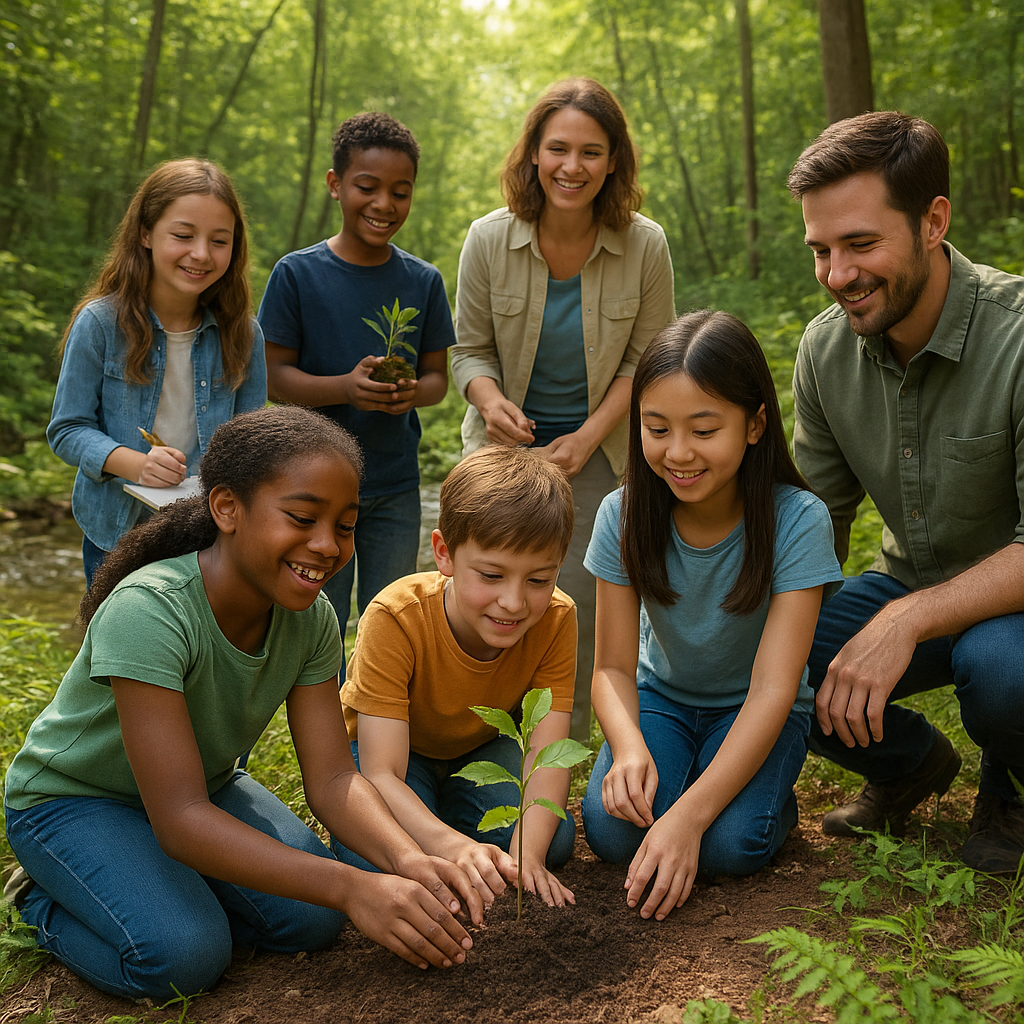
- Join local restoration efforts focused on pollinators. Your hands and knowledge can amplify positive change.
- Avoid pesticides. Chemicals harm pollinators directly and disrupt their habitats.
- Educate neighbors and community leaders. Spread the word about corridor benefits and advocate for pollinator-friendly policies.
- Create small stepping stones. Even tiny patches of habitat interspersed in urban areas can help pollinators navigate landscapes.
Every effort counts. The bigger picture is built from many small acts.
Challenges in Pollinator Corridor Implementation
Designing and maintaining these corridors isn’t without difficulties. Climate change shifts flowering times and pollinator behaviors. Invasive plant species compete aggressively. Funding and community buy-in can be hurdles.
But each challenge is a call to innovate. Advances in mapping tools, community science, and native plant propagation are making corridor projects more successful and scalable every year.
Final Thoughts
Pollinator corridor design is more than crafting a route for insects. It is a thoughtful dance between nature and human intention to mend broken links in our natural world. It requires patience, dedication, and deep respect for the interconnectedness of life.
If you feel inspired, explore what opportunities exist in your area or start small in your yard. By working together, step by step, we can help pollinators thrive. Their health is our health. Their survival is entwined with ours.
Have you participated in any pollinator habitat projects? What insights or stories can you share? Drop a comment below and let us learn together.