Riparian Buffer Restoration Insights for February
I have always admired the resilience of nature. Step into any riparian zone—the area alongside rivers and streams—and you witness a delicate yet powerful ecosystem. These natural buffers protect waterways, offer critical habitat for wildlife, and play a vital role in maintaining environmental health. But what happens when these areas are stripped away or damaged due to human activities? That is when riparian buffer restoration becomes essential.
Understanding Riparian Buffer Restoration
Simply put, riparian buffer restoration means bringing back the natural vegetation and conditions along riverbanks and stream edges that help protect the water bodies. It is more than planting a few trees or shrubs. It involves rebuilding a buffer zone that stabilizes soil, filters pollutants, supports biodiversity, and mitigates flooding.
Early in my experience with restoration work, I realized this process is far from straightforward. It demands an understanding of soil composition, water flow, native plants adapted to wet soils, and the wildlife that depend on these areas. Restoration is a blend of science, careful planning, and community involvement.
Why Riparian Buffers Matter
Let me illustrate the importance. Imagine a river prone to flooding and filled with murky water laden with runoff pollution. Without buffers, sediments wash into the water, destroying fish habitat and reducing water quality downstream.
Restoring these buffer zones can:
- Protect Water Quality: Plants trap sediments, nutrients, and pesticides before they enter the water.
- Reduce Erosion: Root systems stabilize banks, preventing soil from washing away.
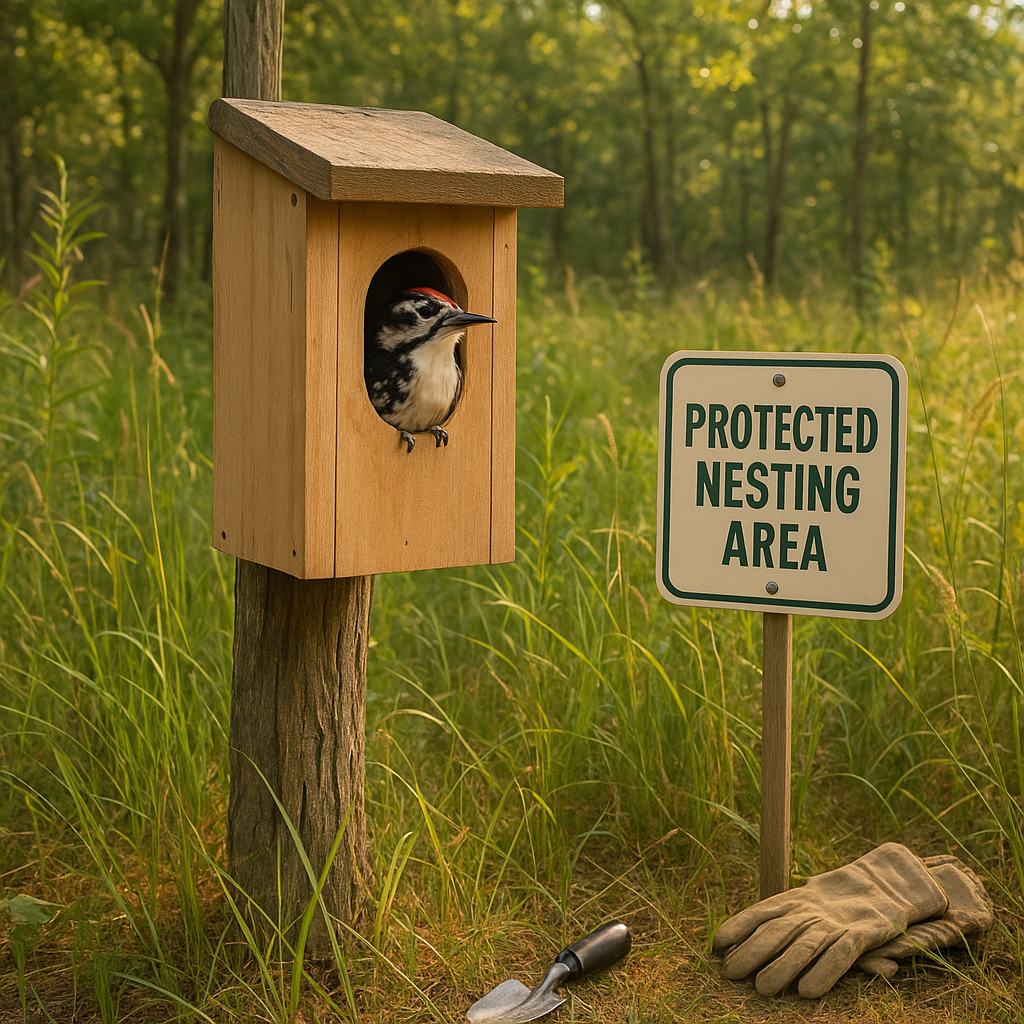
- Support Wildlife: Buffers provide shelter and food sources for fish, birds, amphibians, and insects.
- Mitigate Flooding: Vegetation slows water flow and increases absorption into the ground.
These benefits extend beyond environmental value. Healthy riparian buffers enhance property values, offer recreational spaces, and contribute to climate regulation by sequestering carbon.
My First Experience with Riparian Restoration
I still remember the first riparian project I was part of. It was a small stretch along a local river where farming had reduced vegetation cover drastically. The banks were eroded, and invasive plants had taken over.
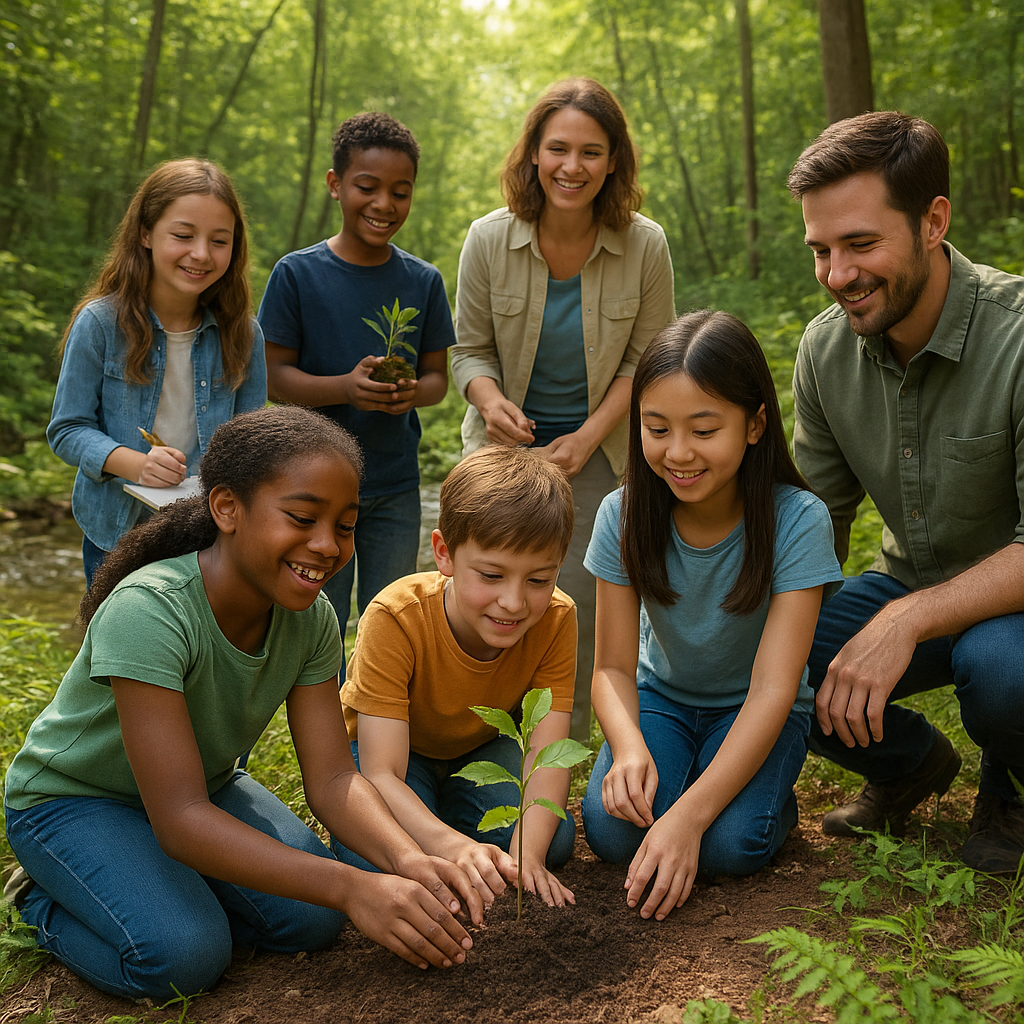
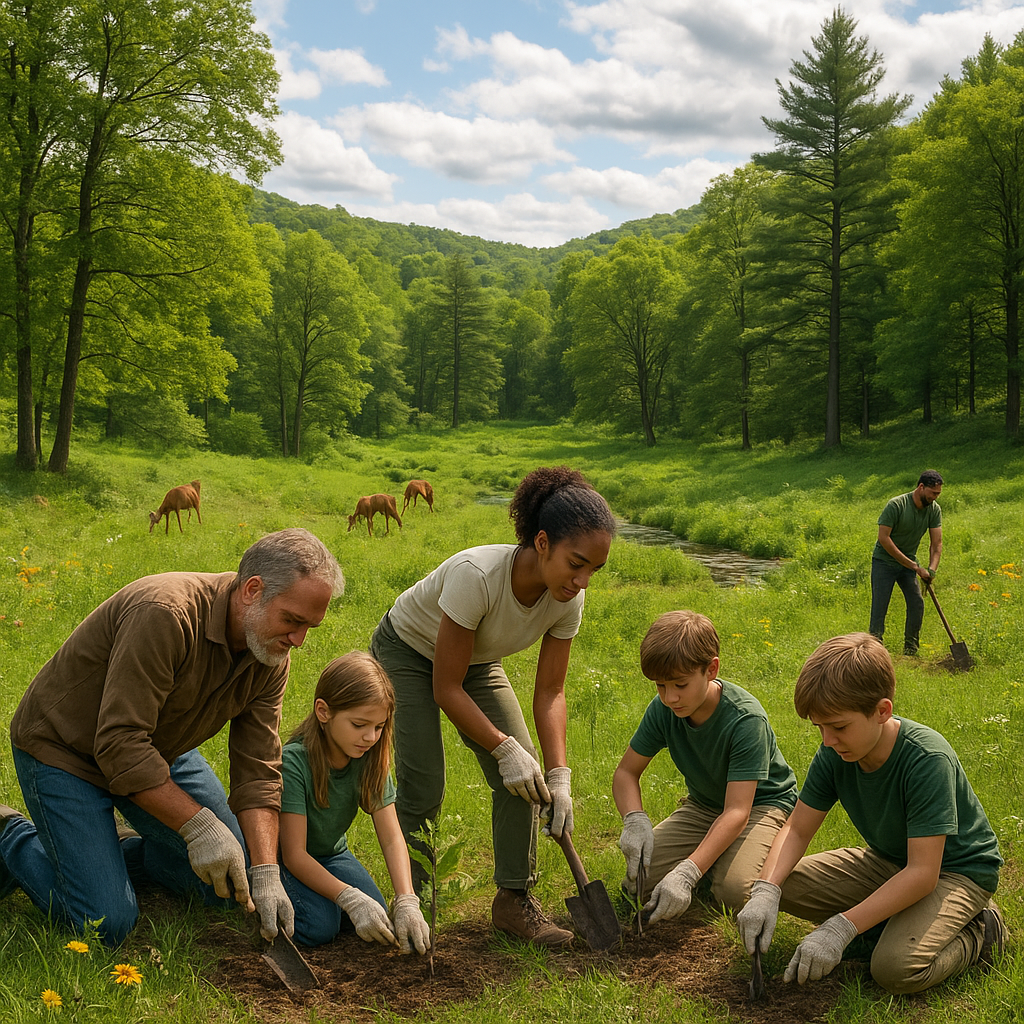
Our team faced many obstacles. We started by testing the soil and observing the flow patterns of the river. We then selected native plants proven to thrive in the moist conditions. Planting was staggered – trees, shrubs, and groundcover – to recreate the natural layers of the buffer zone.
Over months, the site slowly transformed. A pair of kingfishers nested nearby. Pollinators began visiting the blossoms. Water clarity noticeably improved after rainfall. The progress reinforced that restoring riparian buffers takes patience but yields big rewards.
The Science and Steps to Riparian Buffer Restoration
Riparian restoration follows a clear but flexible path:
- Site Assessment: Documenting bank stability, soil types, existing vegetation, and hydrology.
- Setting Goals: Defining objectives such as increasing fish habitat, reducing nutrient runoff, or restoring native plant diversity.
- Invasive Species Control: Removing species that choke out native plants and disrupt ecosystems.
- Native Planting: Reintroducing trees like willows and alders, shrubs, and herbs suited to wet soils.
- Ongoing Monitoring: Tracking plant survival, erosion rates, and wildlife use to adjust management strategies.
Technology plays a growing role. Remote sensing helps map large riparian areas accurately. Drone footage monitors regrowth over time. Seed banks ensure appropriate native varieties are available when needed.
Challenges to Keep in Mind
Restoration is rewarding but not without struggles. Climate change is shifting rainfall patterns and river flows unexpectedly. What once worked to stabilize banks might be less effective today.
Funding also remains a challenge. Restoring riparian buffers requires investment over years. Short-term budgets can stall work before it fully establishes.
Social dynamics matter too. Projects succeed faster when local communities understand and support restoration goals. Land ownership and competing land uses can complicate efforts, requiring diplomats as much as ecologists.
Innovations and Hope in the Field
Despite challenges, innovations bring hope. Community-led riparian restoration projects foster stewardship and ensure long-term commitment. Adaptive management, using data as it comes to tweak approaches, improves resilience under changing conditions.
Seedling nurseries have improved, growing diverse native species in bulk for restoration. Drones and sensors spot erosion hot spots early so interventions happen before damage worsens.
All this means that restoring riparian buffers today is more achievable and effective than ever before.
How You Can Help Restore Riparian Buffers
You might be wondering how to get involved. Here are some ways:
- Volunteer with local nonprofits for planting days along stream banks.
- Learn which native plants grow in your region and use them in your yard to create mini-buffer zones.
- Advocate for policies that protect riparian lands from development and pollution.
- Spread awareness about the vital role riparian buffers play in ecosystem health.
Even small actions add up.
Final Thoughts
Riparian buffer restoration is vital to healing our waterways and the larger ecosystems they support. It is more than an environmental task—it is an investment in future generations. As I have witnessed in my work, patience combined with science and community effort can turn degraded riverbanks into thriving wildlife corridors.
Nature’s resilience is remarkable, but it needs our help. Restoring riparian buffers is one of the most powerful ways we can safeguard clean water, healthy habitats, and climate stability.
The earth’s rivers run through us all. Let us nurture their edges back to life.
I would love to hear your experiences or questions about riparian buffer restoration. Have you participated in any projects? Are you thinking about starting one? Please share your stories below.