Best Sapling Planting Methods Insights for February
Over the years, I’ve come to understand that planting saplings is much more than just sticking young trees in the ground. It is both an art and a science, crucial for the health of our planet. Getting it right can make the difference between a struggling plant and a thriving forest. Today, I want to share some of the best sapling planting methods that I have found effective, especially as we approach February, a perfect time in many regions to give trees the best start.
Why Sapling Planting Matters
Forests are the backbone of our environment. They absorb carbon dioxide, support wildlife, prevent erosion, and regulate climate. When we plant saplings carefully, we are not just adding trees—we are rebuilding ecosystems, supporting communities, and securing a greener future.
Sapling planting requires more than enthusiasm. It requires selecting the right species, preparing them well, and planting with care. Poor methods can lead to high mortality rates and wasted effort. So let's get into what works best.
Choosing the Right Saplings
Planting saplings is only as good as the saplings themselves. I always stress the importance of selecting native species. Native trees grow in harmony with local soil and climate conditions. They support local wildlife and avoid the risks of invasive species taking over.
Planting a mix of native species is also a key strategy. It brings resilience to the forest and can improve soil health. Biodiversity is nature’s insurance policy.
Nursery Preparation: Growing Strong Saplings
Strong saplings begin in nurseries where they are nurtured before hitting the ground. A healthy seedling with a good root system will survive and grow far better than one dug out from the wild or purchased carelessly.
In nurseries, saplings receive the right amount of water, sun, and nutrients. They can also be treated to build disease resistance. I visited a project once where the nursery staff carefully managed light and soil conditions. The difference was clear: the saplings looked vigorous, ready to thrive in the field.
Preparing the Planting Site
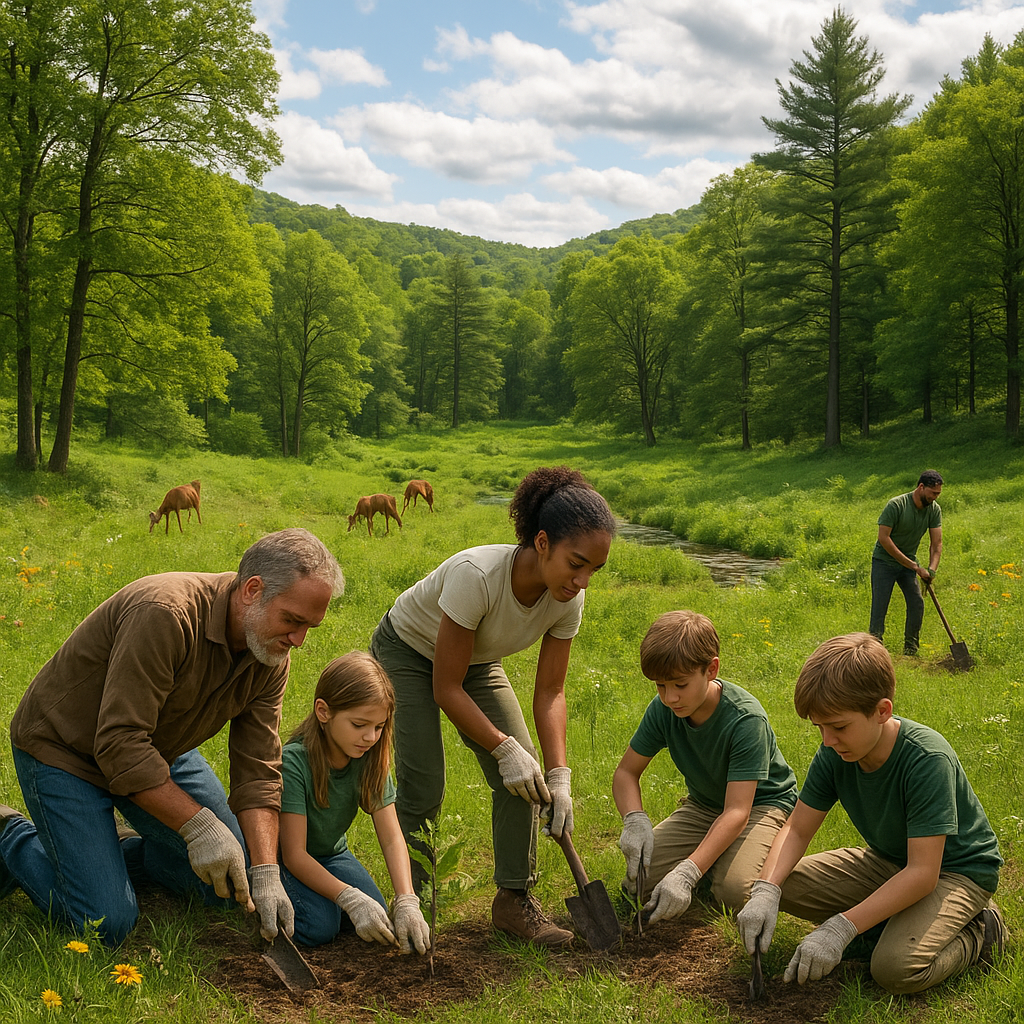
Before planting, preparation is crucial. The ground needs to be ready to receive the saplings. I recommend digging planting holes that are wide and deep enough to accommodate roots comfortably. Too shallow and the roots dry out; too deep and waterlogging can occur.
Timing your planting with rainy seasons or just before rains begin helps saplings establish without constant watering. Proper spacing is also essential. Too close, and saplings compete fiercely, risking stunted growth. Too far apart, and you may delay canopy closure, which slows ecosystem recovery.
Planting Technique: The How-To
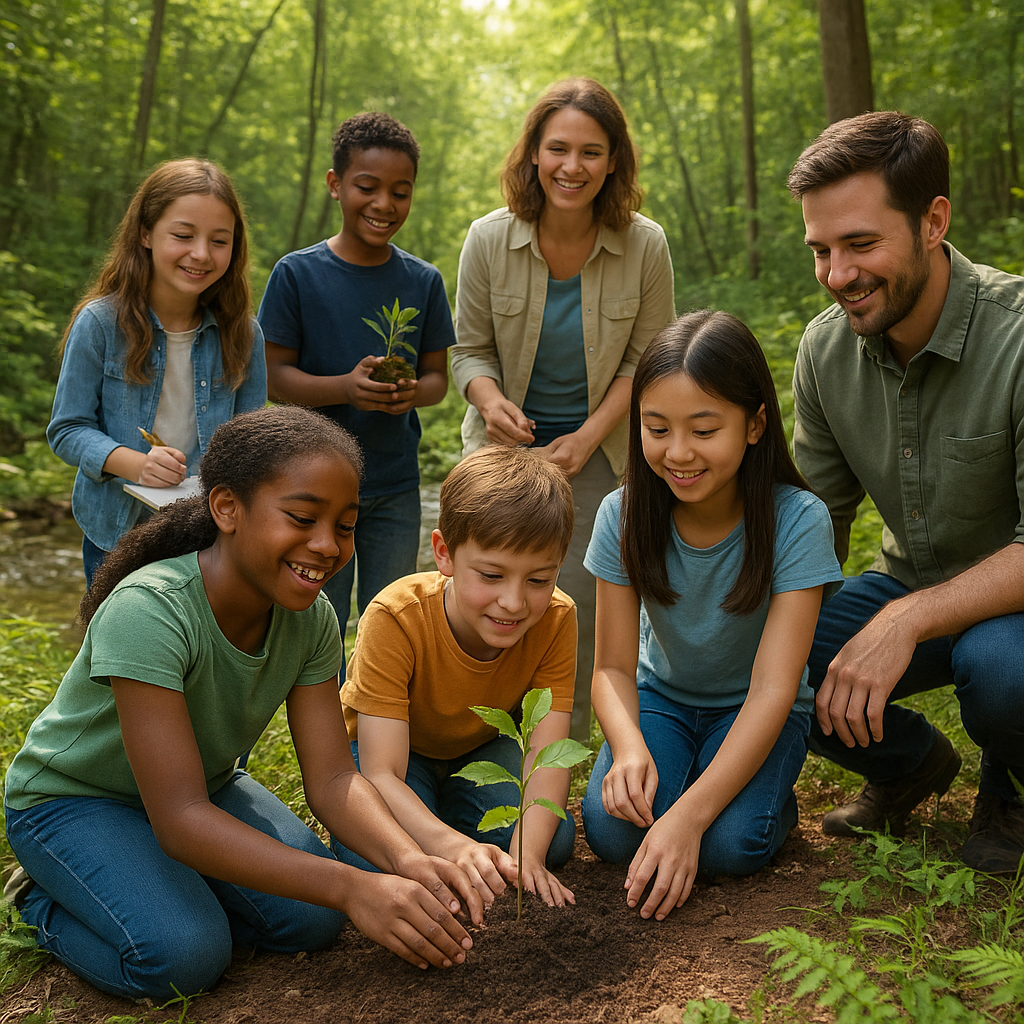
When planting, handle saplings gently. Damaged roots or stems reduce survival chances dramatically. Place the sapling upright in the hole, spreading roots naturally. Fill the hole gradually while firming soil gently around the roots to remove air pockets. But avoid compacting it too much; roots need space for growth.
Watering immediately after planting helps settle soil and provides essential moisture. Mulching around the base retains moisture, cuts down on weeds, and moderates soil temperature.
Protecting and Maintaining Saplings
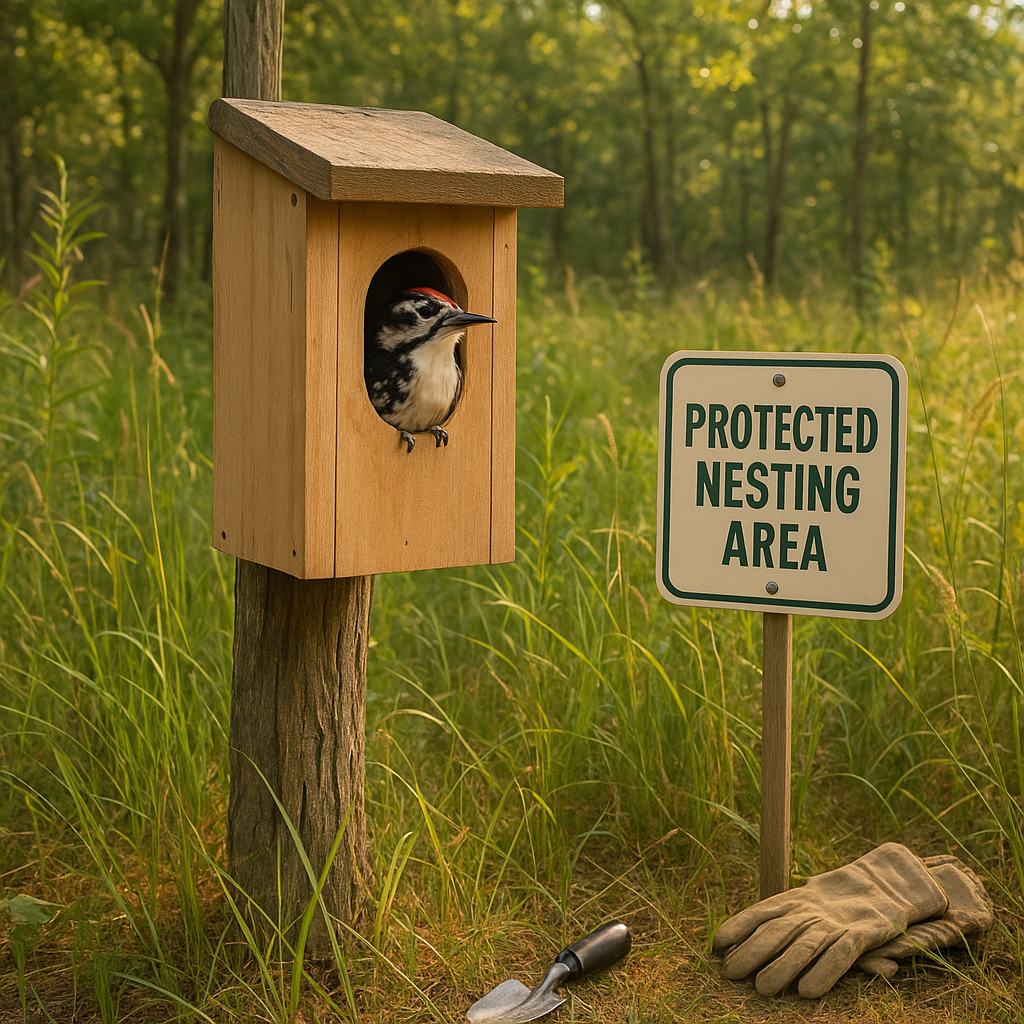
Planting saplings is just the beginning. Protection from grazing animals, weeds, and harsh weather is vital. I have used fencing, tree shelters, and regular weeding to give young trees a head start.
Monitoring saplings and replacing those that fail to survive also plays a part in successful forest creation. Persistence pays off. It is not just about planting a sapling once but nurturing it over months and years.
Bonus Insights: Timing and Care for February Planting
February is a prime time to plant saplings in many regions because soils begin warming, and moisture from winter remains in the ground. When planting in February, pay extra attention to soil moisture and protection against late frost.
Starting early in the season means saplings can take full advantage of spring growth periods, gaining strength to face hotter months.
Final Thoughts
In the world of reforestation and restoration, sapling planting is fundamental. But success lies in the details—from selecting strong, native saplings to preparing the ground and planting with care. It’s a blend of patience, knowledge, and respect for nature’s timing.
If you want to make every sapling count this coming February, focus on quality rather than quantity. The right sapling, planted right, at the right time, can grow into a mighty tree one day.
Have you tried any particular sapling planting methods that work well where you live? I would love to hear your stories and any tips you might want to share. Drop your thoughts below and let’s learn from each other. Together, we can plant the seeds for a greener future.