Nursery-To-Field Transplant Techniques Insights for February
Reforesting our planet is no small feat. It takes more than just planting trees; it requires careful planning, hands-on work, and the right techniques to ensure those young trees grow strong and thrive. For me, one of the most critical stages in reforestation is the shift from nursery to field — the transplant process that gives seedlings the best chance to grow into healthy forests.
In this post, I want to share my insights on nursery-to-field transplant techniques. Whether you are a conservationist, forestry professional, or simply eager to get your hands dirty in a reforestation project, understanding this process can make all the difference. Let’s explore practical, effective ways to take seedlings from controlled nurseries out into the wild where they belong.
Why Focus on Nursery-to-Field Transplant?
The nursery stage is where seedlings get their start — they develop roots, stems, and leaves in a protected environment. But true survival depends on how well these young trees adapt when they move into the often unpredictable conditions of the field. This transition is delicate. Poor techniques can cause shock, reduce survival rates, and stall forest recovery efforts.
I’ve seen sites where seedlings fail to thrive due to improper transplanting, even after months of careful nursery care. On the flip side, I have worked on projects where strategic transplanting led to impressive survival and fast growth. The truth is, nursery and field processes must connect seamlessly for success.
Preparing Seedlings in the Nursery for Transplant
Preparation starts long before the actual planting day.
- Seedling Quality and Hardening Off
Seedlings must be healthy, vigorous, and hardened off. Hardening off means gradually exposing them to outdoor conditions to build resilience. In my experience, this helps reduce transplant shock. It involves lowering watering frequency, increasing sunlight exposure, and sometimes adjusting temperatures as seedlings mature.
- Root System Care
The root system is a seedling’s lifeline. In nurseries, it’s tempting to let roots get crowded or tangled. But that leads to poor establishment in the field. I make sure seedlings have a well-developed yet compact root ball that holds soil firmly. This protects roots during transport and planting and boosts survival odds.
- Species and Site Matching
Not every tree species thrives everywhere. Even at the nursery level, it’s important to prepare seedlings that are suited to the climate, soil, and expected field conditions. Species selection should match site goals whether it’s timber, habitat restoration, or erosion control.
Strategies for Successful Field Transplanting
The leap from nursery bed to field soil is critical, and several factors come into play.
Timing Is Everything
Planting during the right season is key. I always recommend planting seedlings in the early rainy season when soil moisture is high and temperatures are moderate. This supports root establishment and reduces stress.
Proper Planting Techniques
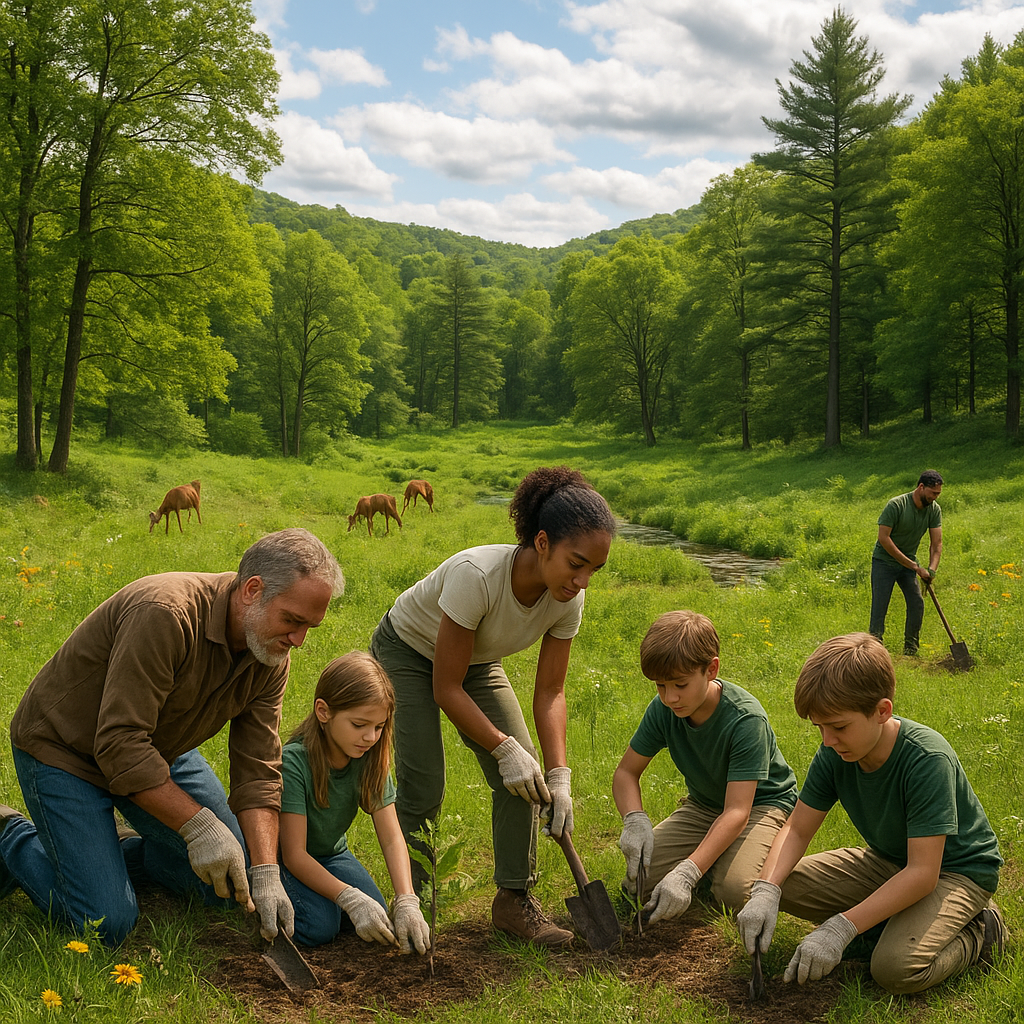
- Digging the Planting Hole
A hole that is too small restricts roots; too large wastes effort and can lead to soil settling issues. My rule: dig holes wider and just as deep as the seedling root ball.
- Handling Seedlings with Care
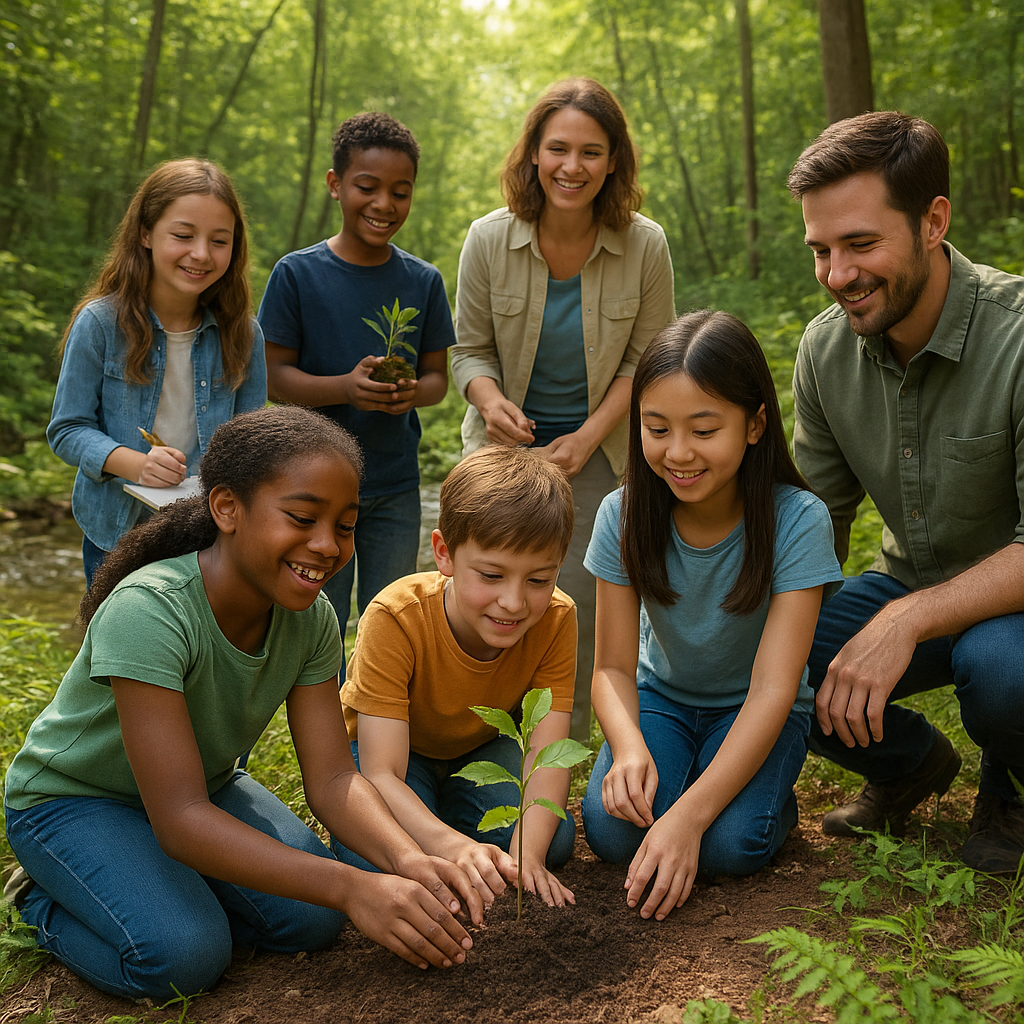
Handling should minimize root exposure and damage. I avoid pulling seedlings by their stems. Instead, I gently lift them by the root ball or base.
- Planting Depth
Planting too deep suffocates roots; too shallow leaves roots exposed. The root collar, where stem meets root, should sit slightly above soil level. I always double-check this.
- Soil Backfill and Firming
Backfilling with native soil and firming gently removes air pockets that can dry roots. But over-compressing soil can hinder water infiltration — balance is essential.
- Watering At Planting Time
Watering immediately after planting helps settle soil and provides critical moisture. If rains do not arrive soon after, supplemental watering might be needed.
Protecting Young Seedlings in the Field
Young trees face threats such as grazing animals, competing vegetation, and harsh weather.
- Use of Fencing or Protective Barriers
Fencing off planting sites or using tree guards can prevent damage from livestock and wildlife. I have found inexpensive, locally sourced materials work surprisingly well.
- Weed Control
Competing grass and shrubs rob water and nutrients. Regular clearing around seedlings promotes healthy growth. Some projects use mulch or cover crops to reduce weeds naturally.
- Monitoring Post-Planting
Transplanting doesn’t end at planting day. Regular monitoring to check seedling health, replacing dead plants as needed, and adjusting care ensures higher long-term survival.
Common Challenges and How to Overcome Them
No transplant program is without hurdles. I want to share some challenges I often encounter and how to handle them.
- Transplant Shock
Sudden environmental changes cause leaf wilting or drop. Minimizing root disturbance and careful timing helps, but sometimes patience is the only cure.
- Pests and Diseases
Seedlings are vulnerable to insects and fungal infections. Using healthy nursery stock, proper planting practices, and occasionally applying organic treatments can reduce risks.
- Extreme Weather
Droughts, heavy rains, or heat waves can devastate young trees. Site selection, protective measures, and maintaining soil moisture can mitigate impacts.
Wrapping Up: Nursery-to-Field Transplant as the Backbone of Reforestation Success
Getting seedlings safely from nursery benches into healthy forests requires knowledge, care, and attention.
From preparing robust, site-adapted seedlings to planting them at the right time with proper techniques, every step counts. Protection and monitoring after transplanting secure your investment in green growth.
I firmly believe nurturing this transition phase is one of the best ways to boost reforestation outcomes. For anyone involved in restoring forests, learning and applying nursery-to-field transplant techniques is a must.
Final Tips for Practitioners
- Always assess site conditions before planning transplant schedules.
- Prioritize native and local species to enhance adaptation and ecosystem balance.
- Train crews or volunteers on handling seedlings correctly to reduce damage.
- Record data and track survival rates to improve methods continually.
- Engage local communities — their support ensures long-lasting success.
If you are passionate about forest restoration, focus on mastering nursery-to-field transplant methods. You will help turn seedlings into thriving forests, and forests into a healthier planet.
Feel free to share your experiences or questions in the comments. Together, we can grow a greener future.