Post-Fire Replanting Strategies Insights for January
Forest fires change landscapes in ways most of us find hard to imagine. I have stood in burned forests and felt the raw power of destruction on my skin. Trees reduced to blackened skeletons, the earth cracked and fragile—a haunting reminder of nature's fury. But as daunting as fire’s aftermath can be, the path forward is equally powerful. Replanting strategies after fires hold the key to restoring these wounded ecosystems and setting the stage for vibrant recovery.
In this article, I want to share what I’ve learned about effective post-fire replanting. Drawing from hands-on experience and scientific principles, I’ll walk you through practical, actionable insights that can help forests bounce back stronger.
Why Post-Fire Replanting Matters
When a wildfire sweeps through a forest, the damage isn’t just skin deep. Soils lose nutrients, native plants vanish, and animals lose their homes. Without intervention, recovery can be slow, and invasive species often take over, further disrupting the ecosystem.
Replanting is not just about piling saplings into the soil and hoping for the best. It is a careful process that:
- Stabilizes soil to prevent erosion
- Restores native plant diversity
- Supports wildlife habitat rebuilds
- Helps sequester carbon, combating climate change
I’ve witnessed firsthand how thoughtful replanting brings not only trees but life back to scorched land.
Key Post-Fire Replanting Strategies
1. Assess the Damage Thoroughly
Before planting, understanding the site conditions is crucial. How severe was the fire? Which areas burned hottest? What is left of the seed bank in the soil? By asking these questions, you can tailor your approach.
Sometimes nature manages to recover on its own, especially in low-intensity burns. Other times, urgent human help is needed to prevent further degradation.
2. Prioritize Native Species
Native trees and plants are adapted to local climate, soil, and pests. Introducing them speed restoration and supports indigenous wildlife.
In some cases, replanting fast-growing pioneer species first helps create shade and improve soil conditions for more sensitive species later on. This step-wise method mimics natural succession and strengthens ecosystem resilience.
3. Use Proper Planting Techniques
Planting depth, spacing, and timing all affect sapling survival. For example, planting during early spring or just before the rainy season helps young plants establish roots before dry months arrive.
Avoid compacting soil around the roots. Loosen soil to improve water infiltration. Mulching can also retain moisture and protect delicate roots.
4. Monitor and Maintain
Replanting is not a one-time task. Continuous monitoring for pests, drought stress, and invasive species ensures saplings thrive.
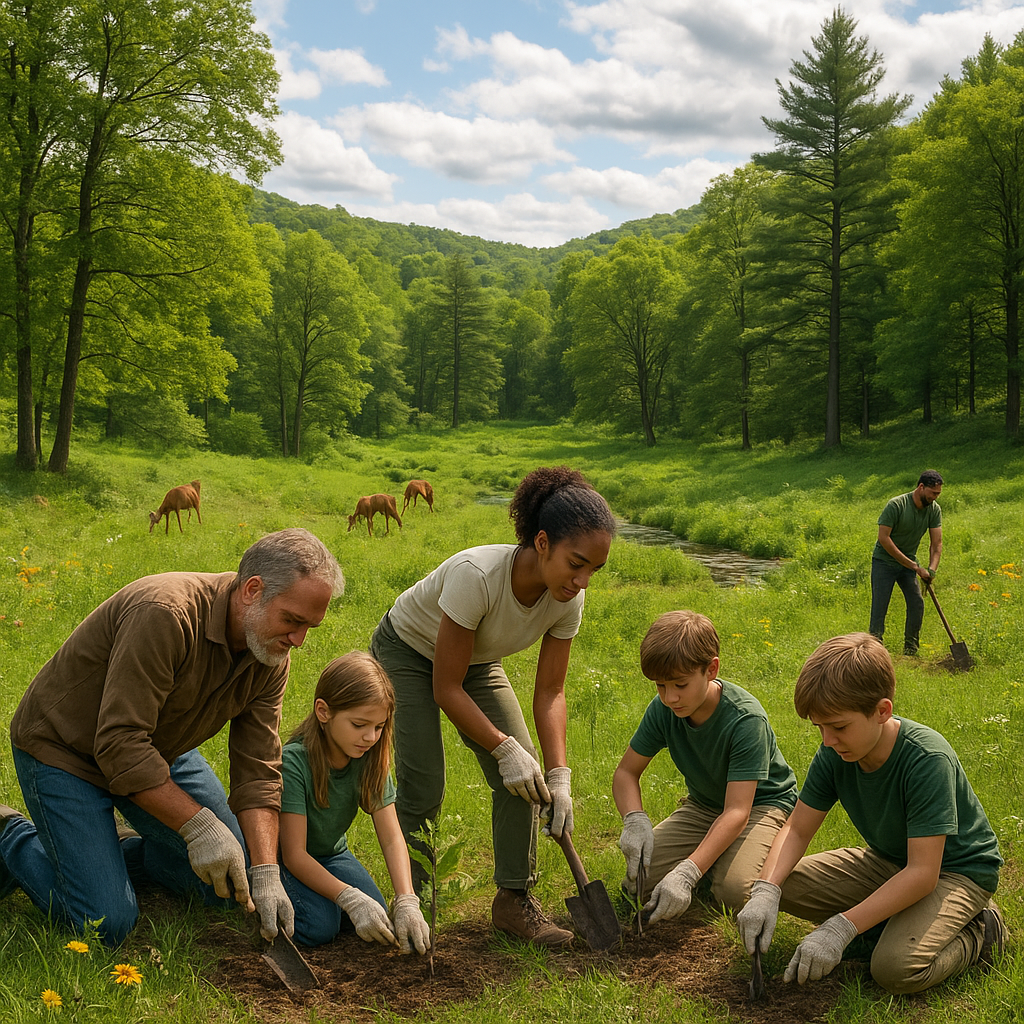
I’ve often organized community volunteer groups to help water young trees during dry spells and remove competing weeds. This ongoing care can mean the difference between success and failure.
Innovations in Replanting Supported by Technology
Technology is reshaping how we tackle post-fire restoration. Some advancements include:
- Seed Balls: These contain pre-packaged seeds with nutrients and protective coatings, making aerial seeding safer and more effective.
- GIS Mapping: Helps prioritize the most critical areas for replanting and monitor progress via satellite.
- Drones: Beyond fire detection, drones now deliver seeds to inaccessible or hazardous zones quickly, speeding recovery.
Using technology combined with traditional knowledge creates a more sophisticated, responsive replanting strategy.
What You Can Do as an Individual
If you want to make a difference, you don’t have to be a forestry expert. In fact, many small actions can collectively help forests heal.
- Support local and national reforestation projects through volunteering or donations.
- Educate yourself and others about native species and fire ecology.
- Practice responsible recreation to prevent future fires—always follow fire regulations.
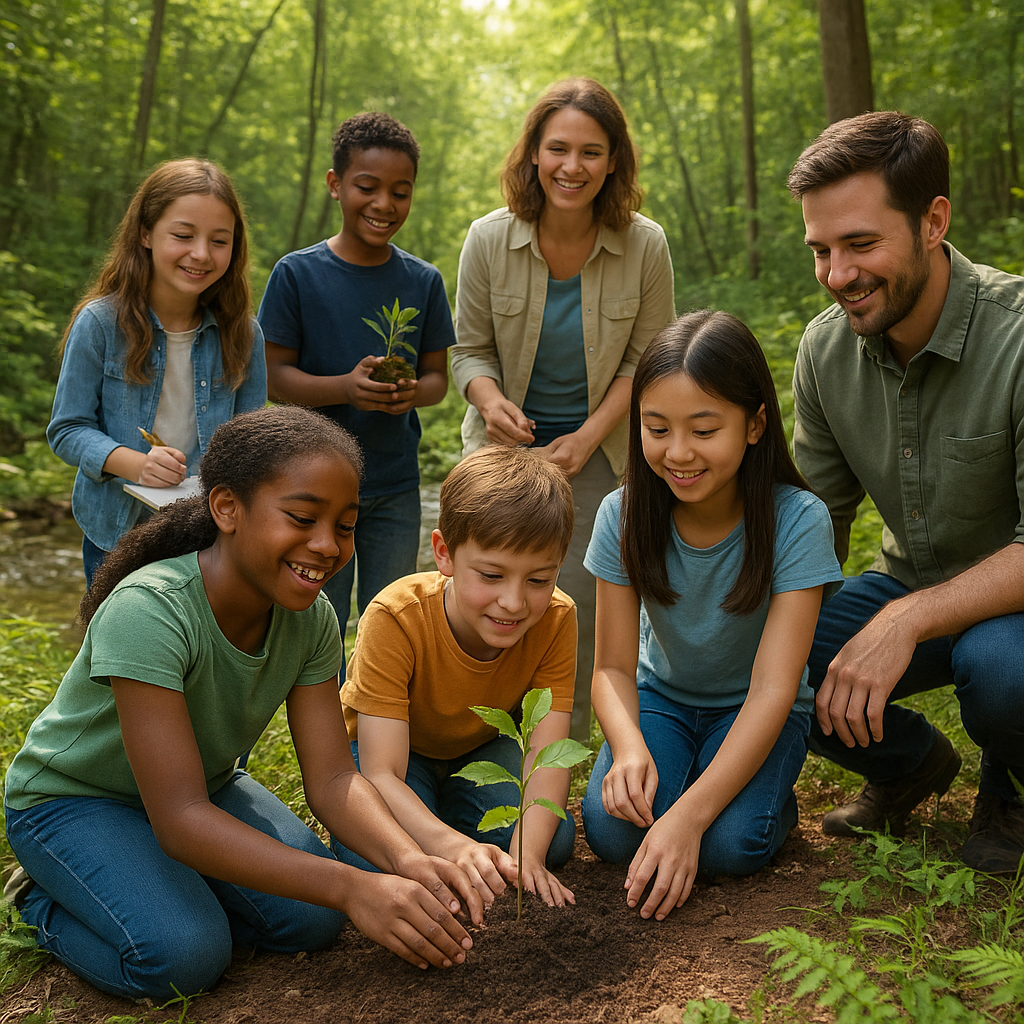
- If you live near fire-affected areas, participate in community planting days.
Together, our efforts multiply and build momentum for forest renewal.
Facing the Climate Challenge While Replanting
Climate change complicates replanting efforts with shifting weather patterns, temperature extremes, and increased drought frequency. When selecting species and planning reforestation, considering future climate scenarios is vital.
We need flexible, adaptive strategies that prepare forests not only to grow but to thrive in a changing world.
Final Thoughts
Replanting after forest fires is daunting but deeply rewarding work. It demands patience, knowledge, and cooperation. I’ve learned that the goal is not just to replant trees but to restore entire ecosystems.
The journey from ash to green is a story of hope that we all can write. Whether you’re planting a single tree or supporting large-scale efforts, your role is crucial.
Let’s bring our forests back to life, one seedling at a time.
If you found these insights helpful, please share them with others who care about forest restoration. Together, we can build a greener, healthier future.