Rapid-Growth Tree Species Overview Insights for January
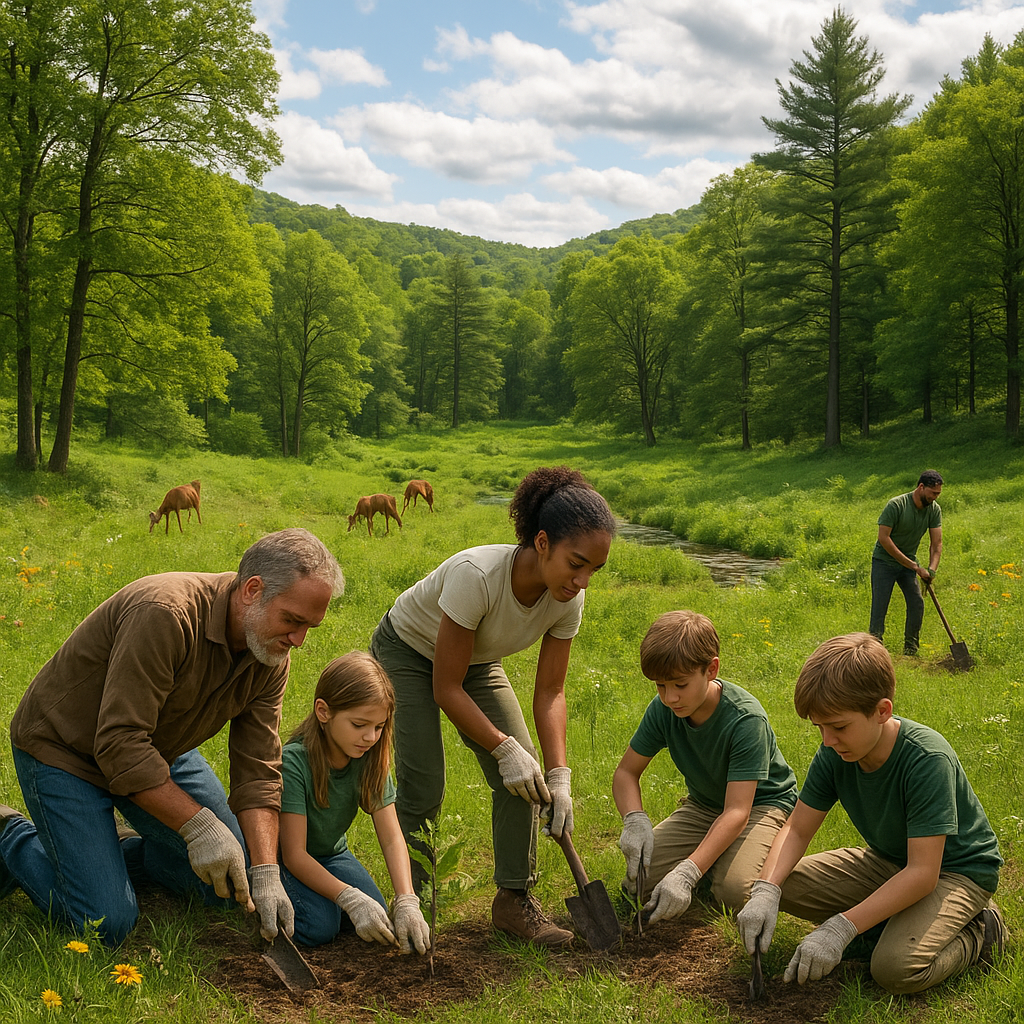
Reforestation is more than just planting trees. It is a critical step in healing our planet, restoring ecosystems, stabilizing soil, and combating climate change. From my hands-on experience working in reforestation projects, I’ve learned that selecting the right tree species, especially rapid-growth trees, can make a huge difference. Let me take you through some key insights on rapid-growth tree species and how they fit into successful reforestation efforts.
Why Rapid-Growth Trees Matter
Fast-growing trees are like the sprinters in the forest race. They establish quickly, providing shade, improving soil, and creating habitats sooner than slower-growing species. They can jumpstart ecosystem recovery after disturbances such as deforestation, fires, or storms. These trees are crucial when the goal is to stabilize land rapidly or meet economic needs like timber or agroforestry products. However, fast growth doesn’t always mean they suit every situation, so choosing wisely is essential.
What Makes a Tree Rapid-Growth?
Rapid-growth trees share several characteristics. They tend to:
- Adapt to a variety of soil types
- Tolerate environmental stresses like drought
- Reach maturity in a relatively short timeframe, sometimes just a few years
- Produce seeds or sprouts that spread easily, accelerating natural regeneration
Understanding these traits helps identify species that can deliver quick results without compromising the long-term health of the forest.
My Experiences With Fast-Growing Species
I’ve worked with a range of rapid-growth trees—some native, others exotic—and every project taught me something new. Here are a few species that stand out for their performance and ecological benefits.
1. Eucalyptus
Eucalyptus species grow incredibly fast, often used in tropical and subtropical reforestation projects. They provide dense shade early, which can suppress invasive weeds. On the downside, they may consume a lot of water and sometimes hinder understory growth. It’s best to plant eucalyptus alongside other species to balance the ecosystem.
2. Acacia
Acacias are nitrogen-fixers. That means they enrich the soil as they grow, which benefits other plants later on. Many acacia species grow rapidly in poor soils and withstand dry conditions well. They also produce biomass that aids soil coverage and reduces erosion.
3. Paulownia
Paulownia is a remarkable tree that can achieve impressive heights within just a few years. It is valuable in agroforestry because it supports crop growth with ample shade and organic matter from falling leaves. However, in some regions, it is considered invasive, so always check local guidelines.
4. Leucaena
Leucaena is another nitrogen-fixer and is widely used in tropical regions. It is often incorporated into agroforestry systems due to its fast growth and multiple uses, including fodder and firewood.
Balancing Rapid Growth With Ecosystem Health
While rapid-growth trees get attention for speed, they should never be the sole focus. Monocultures of fast growers can lead to reduced biodiversity and depleted soil nutrients over time. I advocate mixing species: combining fast-growing pioneers with slower-growing natives that provide food and habitat for wildlife.
Strategies for Using Rapid-Growth Trees Effectively
From my fieldwork, here are a few tips that consistently prove useful:
- Start with soil testing and site analysis to match species to conditions.
- Combine active planting of rapid-growth trees with natural regeneration methods.
- Use agroforestry techniques where possible to create both ecological and economic benefits.
- Implement protection measures to reduce threats from pests, grazing, or illegal logging.
- Monitor regularly and adapt management plans based on growth and survival rates.
Challenges to Keep in Mind
Rapid growth comes with management demands. High water usage, competition with native species, and the risk of invasiveness are real concerns. Knowing the local ecosystem over the long term is critical. Moreover, involving local communities and stakeholders ensures the reforested areas remain protected and valued.
Final Thoughts
Rapid-growth tree species offer powerful tools for jumpstarting reforestation. But like any tool, they work best when used thoughtfully and as part of a broader strategy. Forest restoration is a marathon, not a sprint. Choosing a mix of aggressive growers and steady natives can lead to forests that thrive well into the future.
If you want to make a real impact, start with understanding the site and matching species smartly. And remember, every tree planted is a step toward a healthier planet.
For those interested, I am happy to share more detailed species lists and regional planting guides. Just leave a comment below, and let’s keep the conversation growing.