Local Reforest Hackathons Insights for December
When it comes to strengthening communities and addressing environmental challenges, few things excite me more than local reforest hackathons. These dynamic events bring people together to tackle deforestation and climate change head-on while building stronger neighborhood bonds. Over the past year, I have witnessed firsthand how combining community engagement with education in this unique format creates real, lasting impact.
What Makes Local Reforest Hackathons So Powerful
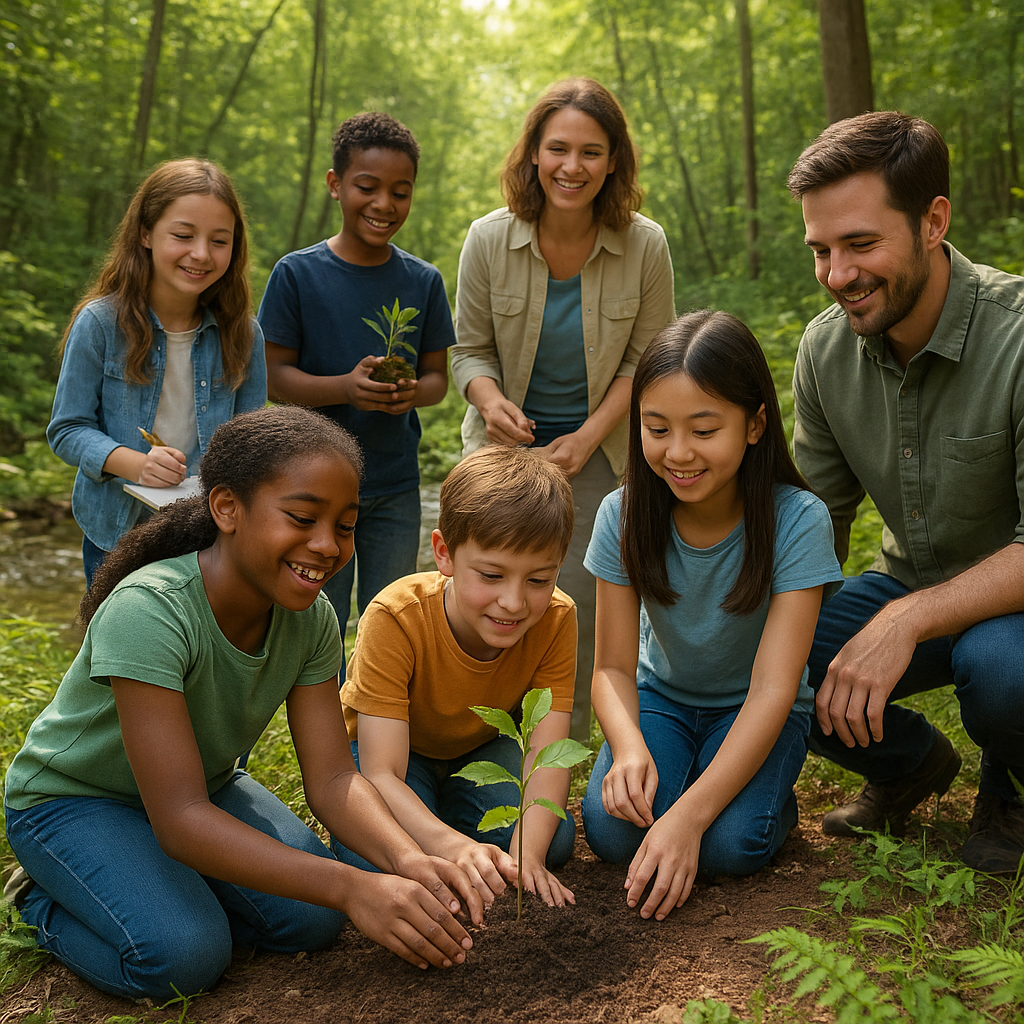
A reforest hackathon is not just another tree-planting day or a typical workshop. It is an intense, focused gathering where community members, tech innovators, environmentalists, and learners collaborate to generate creative solutions for reforestation challenges. The on-the-ground energy is palpable. Everyone has a role, whether they bring coding skills, ecological knowledge, or simply passion and curiosity.
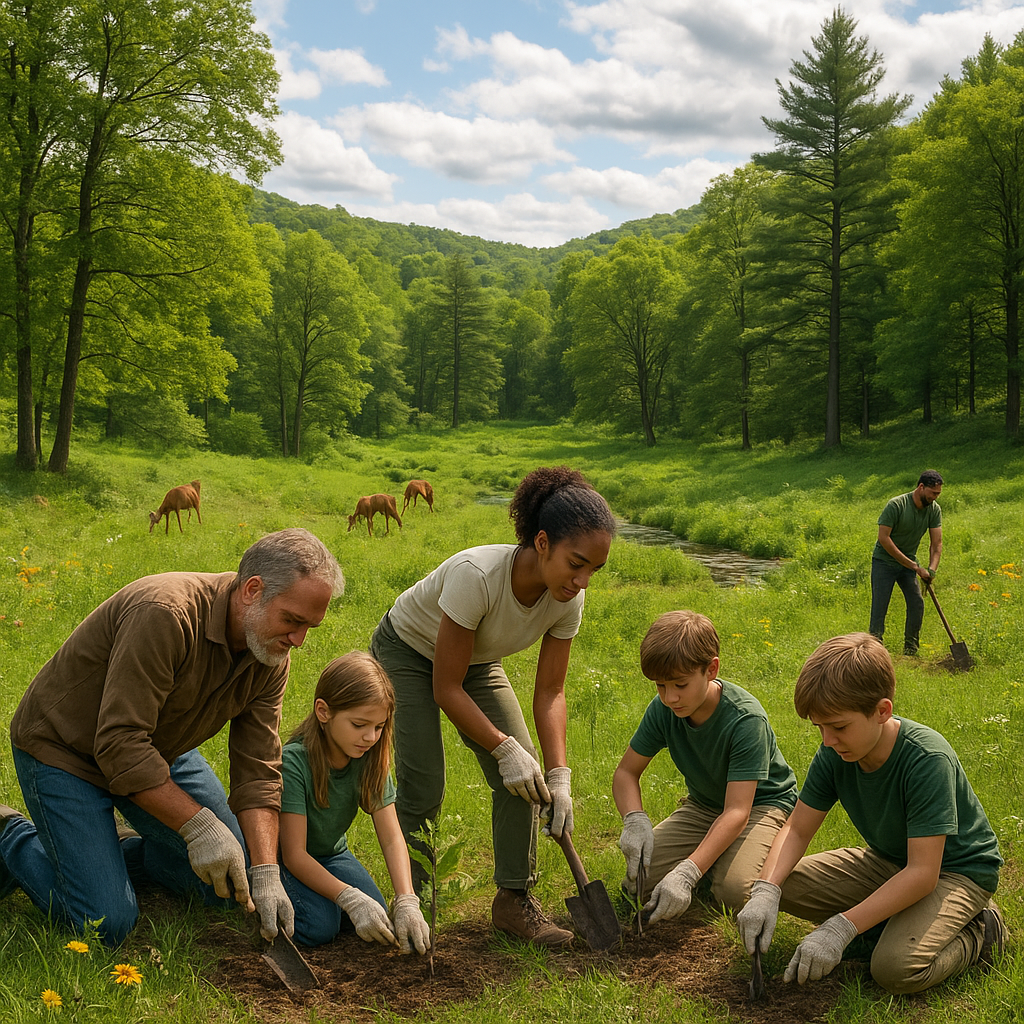
The best hackathons emphasize active participation. Participants are not passive recipients but co-creators. They brainstorm ideas, design tech tools, map reforestation sites, and often organize follow-up activities like large-scale planting events.
These gatherings go beyond raising awareness — they equip communities with practical skills and knowledge. By educating people about local ecosystems, tree species, and the benefits of green spaces, hackathons foster a deeper connection to nature and a sense of responsibility. When people understand why a forest matters, they care enough to protect it.
Education and Engagement: The Perfect Partnership
In my experience, education and engagement are inseparable forces driving success at reforest hackathons. Education provides the foundation — sharing facts about tree biodiversity, carbon sequestration, and urban heat reduction. Engagement transforms that knowledge into action through collaboration, problem-solving, and decision making.
Here are a few powerful outcomes when education meets engagement in this context:
- Smarter solutions reflecting local environmental and social realities
- Stronger community bonds built on shared goals and teamwork
- Increased volunteerism and stewardship beyond the event itself
- Empowerment of underrepresented groups through inclusive participation
Effective Strategies I’ve Seen Work Well
If you want to organize or participate in a reforest hackathon, consider these strategies that have consistently made a difference:
- Create safe, welcoming spaces — People engage more deeply when they feel respected and heard. Include diverse voices early on.
- Leverage local knowledge and expertise — Invite community leaders, ecologists, and seasoned volunteers to share insights.
- Use mixed formats — Combine hands-on activities like seed planting or GIS mapping with digital platforms for wider outreach.
- Make education accessible — Provide clear, jargon-free materials and use visuals to explain ecological concepts.
- Celebrate and showcase small wins — Sharing progress builds momentum and enthusiasm for ongoing efforts.
- Plan for follow-up — Treat the hackathon as a catalyst, not a one-off event. Support sustained engagement with regular check-ins or mini-projects.
Real-Life Inspiration: Success Stories from the Field
In a recent December hackathon in my city, participants developed an app to monitor tree health using community-contributed photos and data. The app helped identify stressed trees needing urgent care. More than that, it connected neighbors who then organized weekend tree care groups.
Another example comes from a semi-rural area where local youth created educational videos on native plants. These videos screened at community centers, sparking curiosity and pride among residents. Soon after, local schools integrated reforestation projects into their curriculum, ensuring the message reached the next generation.
Why December is a Key Time for Reforest Hackathons
December marks a turning point. Many communities pause for the holidays, reflecting on the year while preparing for new beginnings. Holding a reforest hackathon just before or during this time taps into that mindset. People are more open to community bonding, goal setting, and acts of care. Plus, in many regions, December offers ideal planting conditions that align with hackathon planning and follow-up activities.
Your Role in the Movement
If you’re passionate about trees, tech, or simply your community’s wellbeing, I encourage you to get involved. Start by connecting with local organizations or environmental groups, even if you’re new to hackathons. Volunteer as a participant, mentor, or organizer.
Remember, every effort counts. You don’t need specialized knowledge to make a difference. Showing up, asking questions, and sharing ideas fuels the collective effort.
Looking Ahead: Innovating with Heart
Local reforest hackathons are at the intersection of technology, ecology, and community spirit. The future holds exciting possibilities — from drone-assisted planting to AI-powered ecosystem monitoring. But amid these advances, it’s human connection that remains key.
Ultimately, the roots of change lie in communities coming together to learn, share, and act. When education is accessible and engagement authentic, we get closer to restoring the green spaces that sustain us all.
I am inspired daily by the creativity and commitment I see at these hackathons. I hope you feel that same spark and opportunity wherever you are. Together, we can plant seeds of change and watch them grow into flourishing forests for generations to come.