Amphibian Habitat Recovery Insights for December
I have always been deeply interested in ecosystems and the roles every creature plays within them. Recently, I’ve focused more on amphibian habitat recovery, realizing how vital this work is to preserving these sensitive species. Amphibians like frogs, salamanders, and newts face unique challenges, and understanding their habitat needs is essential if we want to make a meaningful impact.
What Does Amphibian Habitat Recovery Mean?
Amphibian habitat recovery refers to restoring natural environments that have been harmed or lost so these animals can thrive again. Unlike general wildlife restoration, amphibians depend heavily on both aquatic and terrestrial habitats, making their recovery especially complex.
This process goes beyond simply fixing a pond or planting a few plants. It involves creating a healthy mix of clean water, appropriate vegetation, safe breeding grounds, and shelter spots that support every stage of an amphibian’s life cycle. Any disruption in these areas can severely affect their populations.
For instance, restoring a breeding wetland means managing water quality, controlling invasive species, and maintaining nearby upland areas. Such details are critical because amphibians often travel between water and land within the same ecosystem.
Why Amphibian Habitat Recovery Is Urgent Now
Human activities like urban development, pollution, and climate change have devastated amphibian habitats worldwide. According to recent studies, amphibians are among the most threatened groups of animals. Their decline signals broader environmental problems that can ripple through entire ecosystems.
Healthy amphibian populations play important roles in controlling pest insects, serving as food for other wildlife, and acting as indicators of environmental health. When their habitats suffer, these benefits diminish, affecting both nature and human communities.
Moreover, amphibians are highly sensitive to changes in their environments. Degraded habitats reduce their resilience to climate fluctuations, diseases, and pollution.
Restoring their habitats strengthens ecosystem stability. Wetlands, for example, absorb floodwaters and filter pollutants, providing benefits far beyond amphibian survival.
Steps to Effective Amphibian Habitat Recovery
Helping amphibians bounce back takes careful, science-based steps. Here’s how I approach this complex task:
1. Careful Assessment
First, I gather detailed information on the condition of the amphibian habitat. This includes identifying species present, water quality, invasive threats, and surrounding land use. Field surveys, water testing, and habitat mapping are essential to crafting the right restoration strategy.
2. Targeted Planning
Using the data collected, I develop a plan focused on the specific amphibian community’s needs. This plan might involve:
- Removing invasive plants that choke out native vegetation.
- Restoring natural water levels and flow patterns.
- Replanting native aquatic and terrestrial plants crucial for food and shelter.
- Installing structures for shelter like logs or rocks.
The idea is to rebuild balanced habitats that support every phase of amphibian life—from eggs to adults.
3. Active Restoration Work
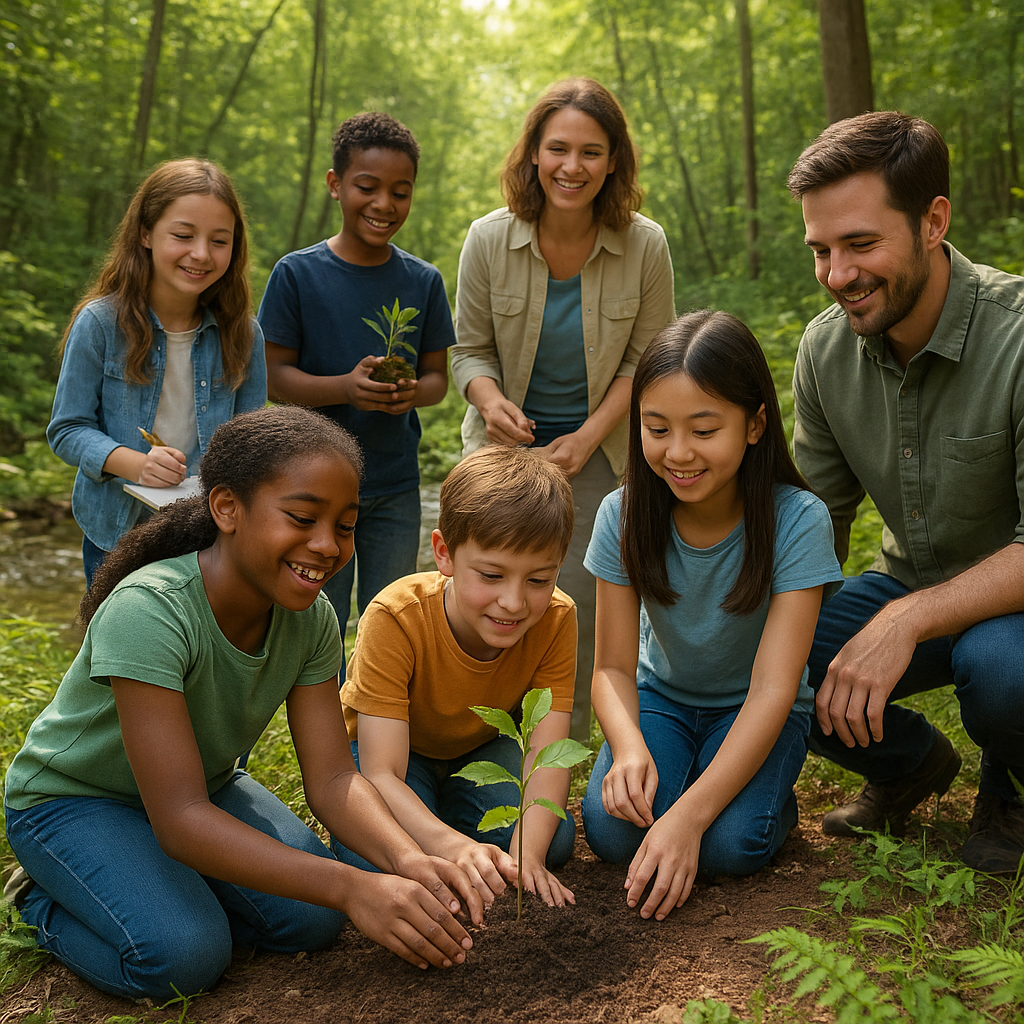
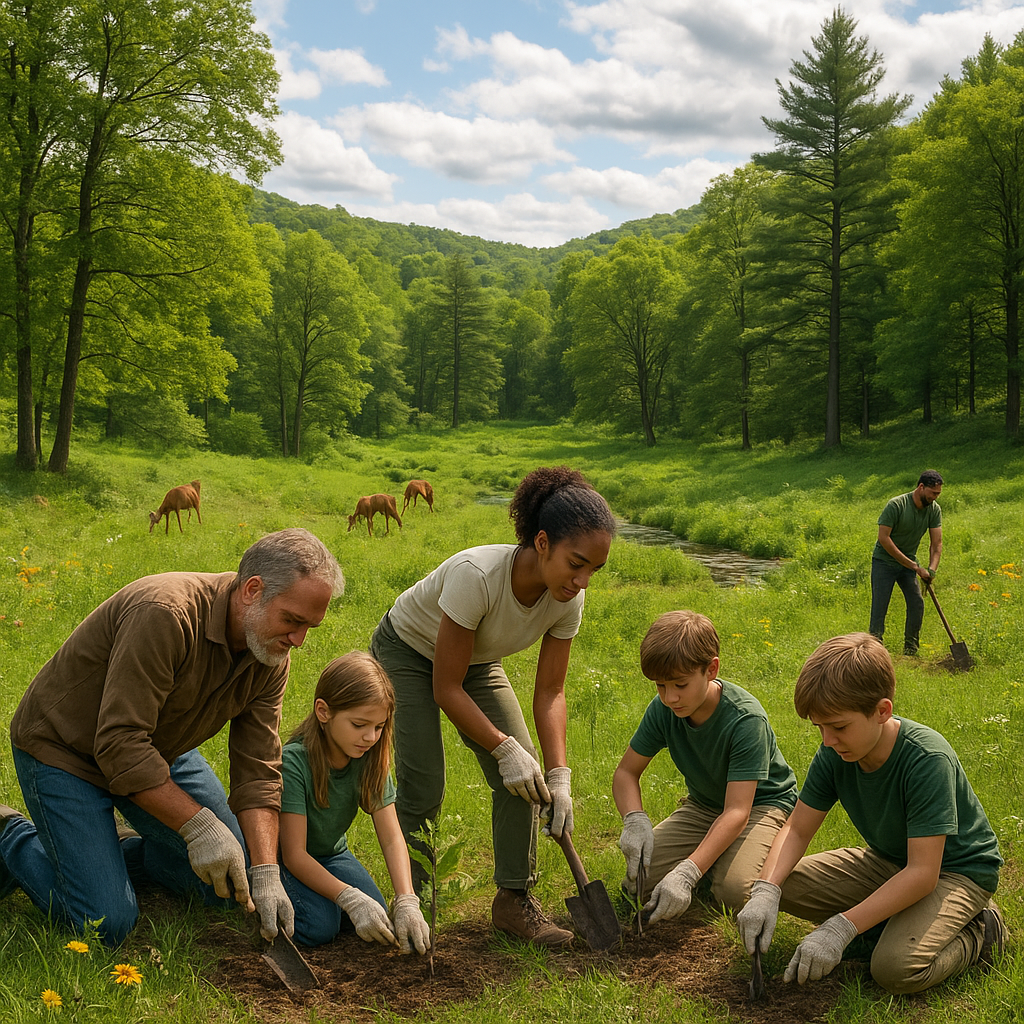
This stage involves physical efforts like removing invasive species, planting native flora, and monitoring water conditions. I often collaborate with conservationists, local landowners, and volunteers to carry out these tasks.
It requires patience and flexibility. Sometimes modifications are needed along the way to address unexpected challenges like drought or invasive recolonization.
4. Ongoing Monitoring and Care
Amphibian habitat recovery doesn’t stop after the initial work. Continuous monitoring tracks how amphibian populations respond and whether habitats remain suitable.
Regular maintenance helps ensure invasive species do not return, water quality stays high, and habitat structures remain intact.
Long-term commitment is crucial because full recovery can take years. The reward, however, is seeing amphibian numbers bounce back and ecosystems regain resilience.
Success Stories That Inspire
Several projects highlight what is possible with sustained effort. The restoration of vernal pools in the northeastern United States has helped many frog and salamander species regain breeding habitats. These pools fill seasonally and provide safe spots for amphibians to reproduce, free from predators.
Similarly, constructing wetland complexes in urban areas has created surprising refuges for amphibians in the face of development pressures.
Witnessing these successes shows clearly that thoughtful habitat recovery can turn the tide for vulnerable amphibian species.
How You Can Support Amphibian Habitat Recovery
Getting involved may seem daunting, but every action counts. Here are a few ways I recommend:
- Volunteer with local groups focused on wetland and amphibian conservation. Your hands-on help is invaluable.
- Create amphibian-friendly spaces in your yard by installing ponds, avoiding pesticides, and planting native vegetation.
- Advocate for policies that protect wetlands and natural areas critical to amphibian survival.
- Share what you learn with others—raising awareness is key to building community support.
The Reality of Challenges and Rewards
I must admit, amphibian recovery is rarely quick or easy. It takes time, persistence, and sometimes rethinking strategies when nature throws curveballs.
Yet, the joy of hearing frogs call where none had echoed before or spotting a new salamander under a log makes every effort worthwhile. Habitat recovery is a powerful reminder of nature's resilience and our ability to help.
Closing Thoughts
Amphibian habitat recovery is more than a conservation task. It is a commitment to restoring fragile ecosystems that link land and water in delicate balance. As humans continue to impact the planet, we also hold the power to restore what has been lost.
If you care about the environment and want to make a tangible difference, consider focusing your energy on amphibian habitat recovery. Every step taken helps rebuild a world where these remarkable creatures can thrive again.
Together, let us be the generation that not only talks about saving nature but actively brings it back—one amphibian habitat at a time.