Post-Fire Erosion Control Methods Insights for December
Forest fires are devastating, and their impact doesn’t end when the flames die down. One of the biggest challenges after a fire is managing erosion, which can lead to soil loss, water pollution, and long-term damage to ecosystems. Having lived near woodlands and witnessed fires up close, I want to share what I have learned about effective post-fire erosion control. This is vital for anyone involved in land management, environmental protection, or just passionate about preserving natural areas.
Why Post-Fire Erosion Control Matters
When a forest fire burns, it strips the land of vegetation that holds soil in place. Without this protective cover, rain and wind can wash away or blow off topsoil. The consequences are serious:
- Increased sediment in rivers and streams harms aquatic life
- Higher risk of mudslides and flooding affects nearby communities
- Loss of nutrients delays forest recovery
The damage can set back ecosystems for years, so acting quickly after a fire is crucial.
Common Causes of Post-Fire Erosion
Soil erosion after a fire mainly results from:
- Loss of ground cover like plants and leaf litter
- Changes in soil properties that reduce water absorption
- Intense rainfall that washes soil downhill
Understanding these factors helps identify the best control methods to stabilize the soil and promote recovery.
Effective Post-Fire Erosion Control Strategies
1 Use Mulching to Protect Soil
Applying mulch is one of the simplest and most effective ways to reduce erosion. Materials like straw, wood chips, or even synthetic mats create a barrier that slows water runoff and holds soil in place. In my experience, mulching also encourages seed germination, speeding up vegetation regrowth.
2 Install Check Dams and Silt Fences
Check dams made from rocks, logs, or sandbags placed across small gullies and drainage paths reduce water velocity. This prevents sediment from moving downstream. Silt fences work similarly by filtering sediment while allowing water to pass. Proper installation and maintenance are key to their success.
3 Re-seed Burned Areas Quickly
Seeding with native grasses and plants is essential. These species are adapted to local conditions and help restore ground cover faster. I have seen areas seeded immediately after fires recover much better than those left bare.
4 Employ Terracing or Contour Trenching
On steep slopes, terraces or contour trenches can slow runoff and capture soil. These earthworks break the slope into smaller sections, making water infiltration easier and erosion less severe. They require careful planning but offer significant protection.
5 Use Erosion Control Blankets and Geotextiles
In high-risk zones, erosion control blankets and geotextiles provide a protective shield for soil surfaces. These materials stabilize soil while allowing plants to take root beneath. Though often more costly, they are worth the investment in critical areas.
6 Maintain and Monitor Control Measures
Installation is only the start. Regular inspection and upkeep of erosion control methods ensure they continue functioning during intense weather events. Adjustments may be needed based on rainfall and terrain changes. Active management saves damage down the line.
Supporting Forest Recovery and Climate Resilience
Post-fire erosion control is a vital component of helping forests recover and protecting watersheds. It also contributes to climate resilience by preserving carbon stored in soil and vegetation. After working with local agencies and fire watch groups, I have come to deeply appreciate this holistic approach.
Managing erosion is not about quick fixes but about long-term stewardship. We owe it to our forests, wildlife, and future generations to invest time and resources in these methods.
How You Can Help
Whether you live near fire-affected forests or support environmental conservation efforts, there are simple ways to contribute:
- Advocate for proper funding and policies focused on post-fire land restoration
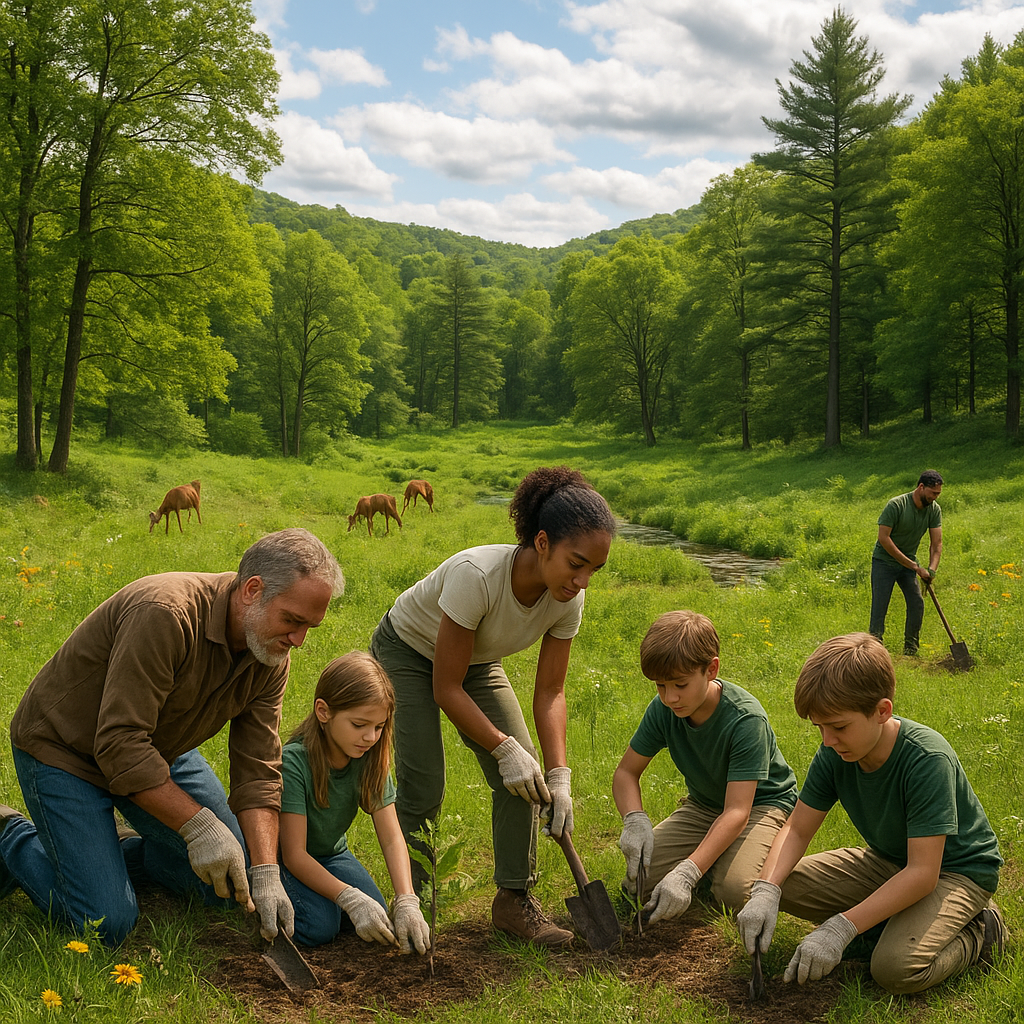
- Volunteer in local planting or erosion control projects
- Educate your community on the importance of managing fire aftermath
- Stay informed about local fire recovery efforts and support sustainable forestry initiatives
Collective action drives real change.
Reflecting on My Experience
One year, after a nearby wildfire, I witnessed soil washing into streams and damaging fisheries. That event pushed me to learn about erosion control techniques and get involved in community restoration work. It was rewarding to see burned hillsides come back green with time and effort. These methods make a difference when applied consistently.
Final Thoughts
Forest fires leave scars beyond the blaze. Post-fire erosion threatens environmental health and community safety. However, with thoughtful strategies and community involvement, these challenges can be met effectively.
Let us work together to protect burned landscapes from further harm. Apply proven erosion control methods, support restoration projects, and champion responsible land management. Our forests—and our future—depend on it.
If you have insights or experiences related to post-fire erosion control, please share them below. Let’s build knowledge and resilience together.