Seed Ball Diy For Kids Insights for November
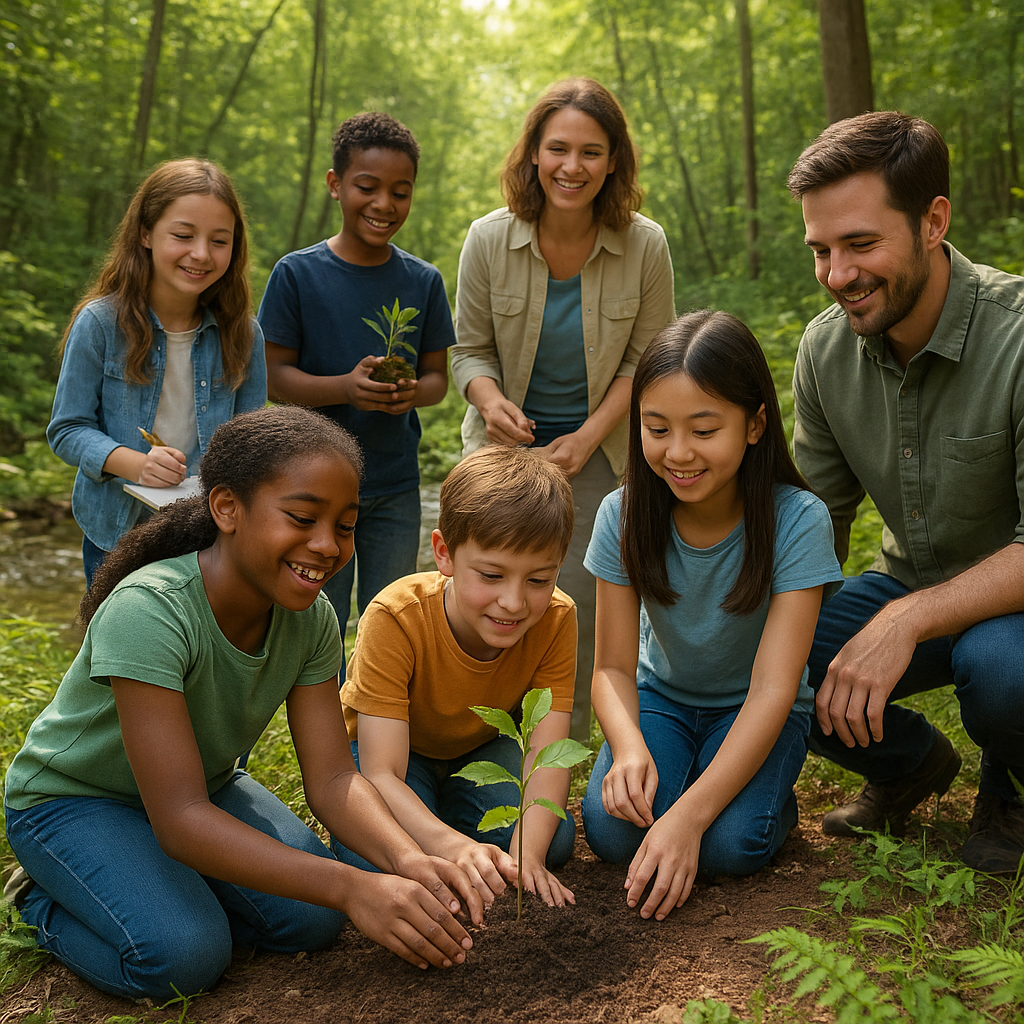
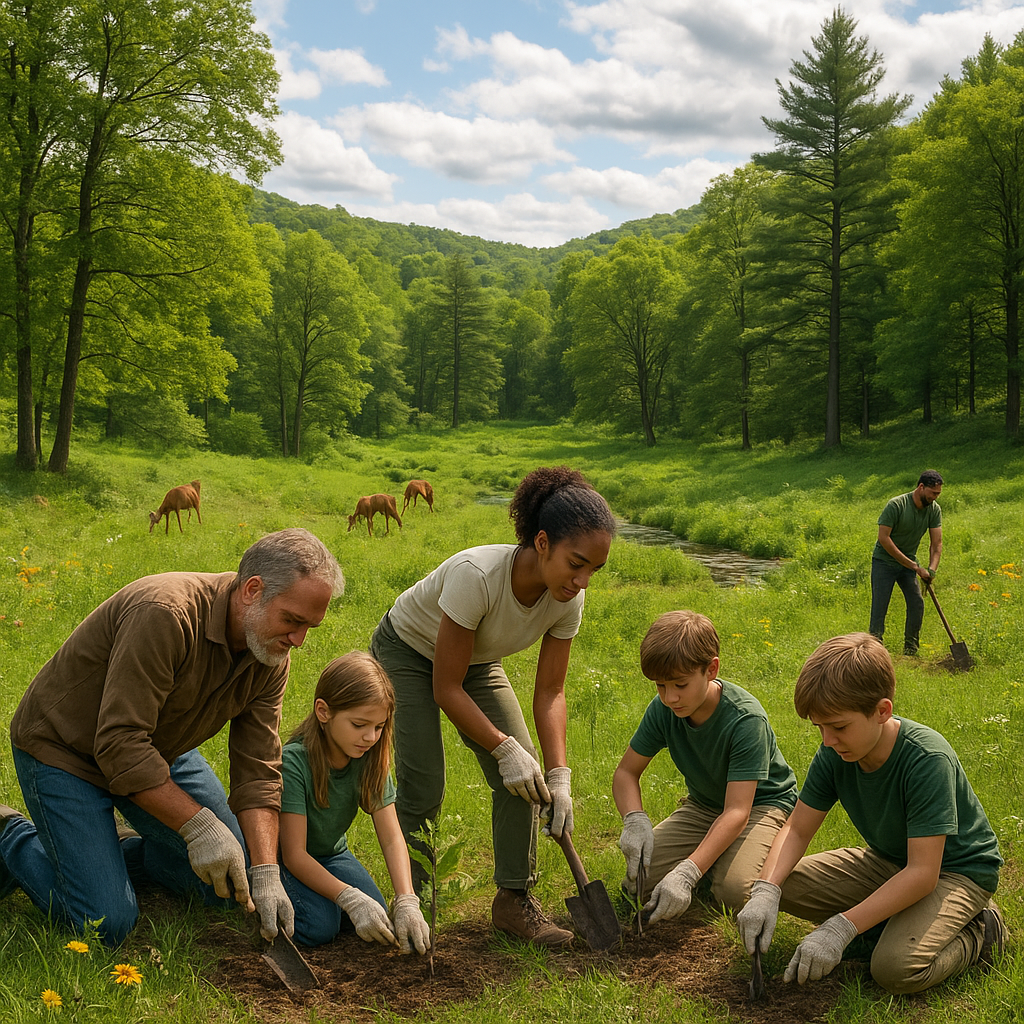
Reforestation is more important now than ever. As trees continue to disappear around the world, finding simple and effective ways to bring nature back is key. One of my favorite hands-on activities for introducing kids to reforestation is making seed balls at home. It’s fun, educational, and gets young minds excited about the environment. In this blog, I’m sharing insights on seed ball DIY for kids, why it matters, and how you can get started right this November.
Why Seed Balls Are Perfect for Kids
Seed balls are small clusters made by mixing seeds with soil and clay. These little balls protect seeds from birds, insects, and drying out. When conditions are right, the seeds sprout and grow into healthy plants. For kids, seed balls turn reforestation into a magical activity. They get to build something small but powerful and watch nature come alive.
The charm of seed balls lies in their simplicity and effectiveness. No digging or complicated tools needed. Kids can scatter them in their gardens, parks, or even neglected urban spaces. It’s a way of helping forests grow that’s approachable for all ages.
What You Need for Seed Ball DIY
The materials are easy to find and safe for children to use:
- Seeds (preferably native species suitable for your climate)
- Clay powder or natural clay soil
- Compost or potting soil
- Water
- Mixing bowl
Native seeds are critical here. They support local wildlife and adapt best to the environment. If you aren’t sure which seeds to use, local gardening centers or conservation groups can guide you.
Step-By-Step Guide to Making Seed Balls With Kids
- Combine one part seeds with five parts clay and five parts compost or soil in a bowl.
- Add water gradually, stirring until the mixture becomes dough-like.
- Roll the mixture into small balls about the size of a marble.
- Place finished seed balls on a tray and let dry under shade for 24-48 hours.
- Once dry, they are ready to be tossed or planted.
What I love is how this process not only teaches kids about plants but also about patience and care. Watching the seed balls slowly germinate over weeks reinforces how nature works in its own time.
Benefits Beyond Reforestation
Making seed balls with kids is more than just planting trees:
- Encourages environmental stewardship early on.
- Improves fine motor skills.
- Creates opportunities for family bonding.
- Sparks curiosity about ecosystems.
Seed balls also support biodiversity and improve soil health. Unlike traditional planting where young plants can be vulnerable, seed balls protect the seeds until they’re strong enough to grow.
Timing and Locations for Seed Ball Planting
November is a fantastic month for making and planting seed balls in many regions. The cooler weather and upcoming rains help seeds establish before harsh conditions arrive. Ideal places for scattering these seed balls include:
- School yards and playgrounds
- Community gardens
- Vacant lots or neglected green spaces
- Forest edges or buffer zones
Always check local regulations before planting in public spaces. And remember, the goal is to introduce native flora that fits the local ecosystem.
Troubleshooting and Tips for Success
Sometimes seed balls don’t sprout as expected—this is normal and part of learning. Here are a few tips to improve results:
- Use fresh seeds with good viability.
- Store seed balls in a cool, dry place until ready to plant.
- Avoid areas with heavy foot traffic or grazing animals.
- If planting in urban zones, consider watering occasionally during dry spells.
By involving kids in these troubleshooting steps, they develop a deeper respect and understanding of natural cycles.
Final Thoughts: Empowering the Next Generation
Seed balls DIY for kids is more than a craft—it’s a stepping stone toward a greener future. Every seed ball tossed carries hope: for cleaner air, healthier habitats, and restored forests. This simple activity blends education, fun, and impact seamlessly.
If you haven’t tried making seed balls yet, now is the perfect time. Gather the kids, collect your supplies, and give nature a helping hand this November. You’ll be amazed at the joy, learning, and growth that follows.
Have you made seed balls with children before? What tips or stories can you share? Drop your experiences below and let’s keep planting seeds of change together.