School-Yard Forest Clubs Insights for November
Community engagement and education have become more powerful than ever as tools to create lasting positive change. From my experience, these two ideas go hand-in-hand just like peanut butter and jelly. One feeds the strength of the other. Over time, I have come to see how crucial they are—not just for individuals, but for the entire community's well-being.
What Community Engagement Really Means
Community engagement is more than just showing up to an event or signing up to volunteer now and then. It is all about building real connections between people, organizations, and the larger community. It is a living, breathing process where everyone comes together to identify needs, create shared goals, and work side-by-side on solutions.
It is both an art and a science. The emotional side focuses on trust and understanding across different groups. The strategic side makes sure that every voice is heard and valued. I have seen how true engagement energizes neighborhoods. When people feel involved, they naturally become invested in the community.
How Education Boosts Community Engagement
Education plays a huge role here. It is not limited to classrooms or schools. It is a lifelong journey where knowledge sparks awareness and fuels empowerment.
When people learn about issues facing their community—whether it is about the environment, public health, or local economy—they become ready to take thoughtful action. Education sets the stage for participation. Without it, engagement can quickly fade because people simply do not know how or why to get involved.
For example, I once took part in a local effort to improve recycling habits. The community’s readiness to join in did not happen overnight. It took workshops, campaigns, and hands-on activities to turn hesitant onlookers into passionate participants.
Why Pairing Engagement and Education Matters
Think about it. Engagement without education risks being shallow and short-lived. Meanwhile, education alone often stays stuck in theory without real impact. When combined, however, they create something much stronger.
Together, they create:
- Empowerment: People feel confident to speak up, suggest ideas, and lead initiatives.
- Social Cohesion: Learning together builds trust across diverse groups.
- Sustainability: When communities own projects, they last longer.
- Innovation: Shared knowledge sparks creative solutions to local problems.
My Experience with School-Yard Forest Clubs
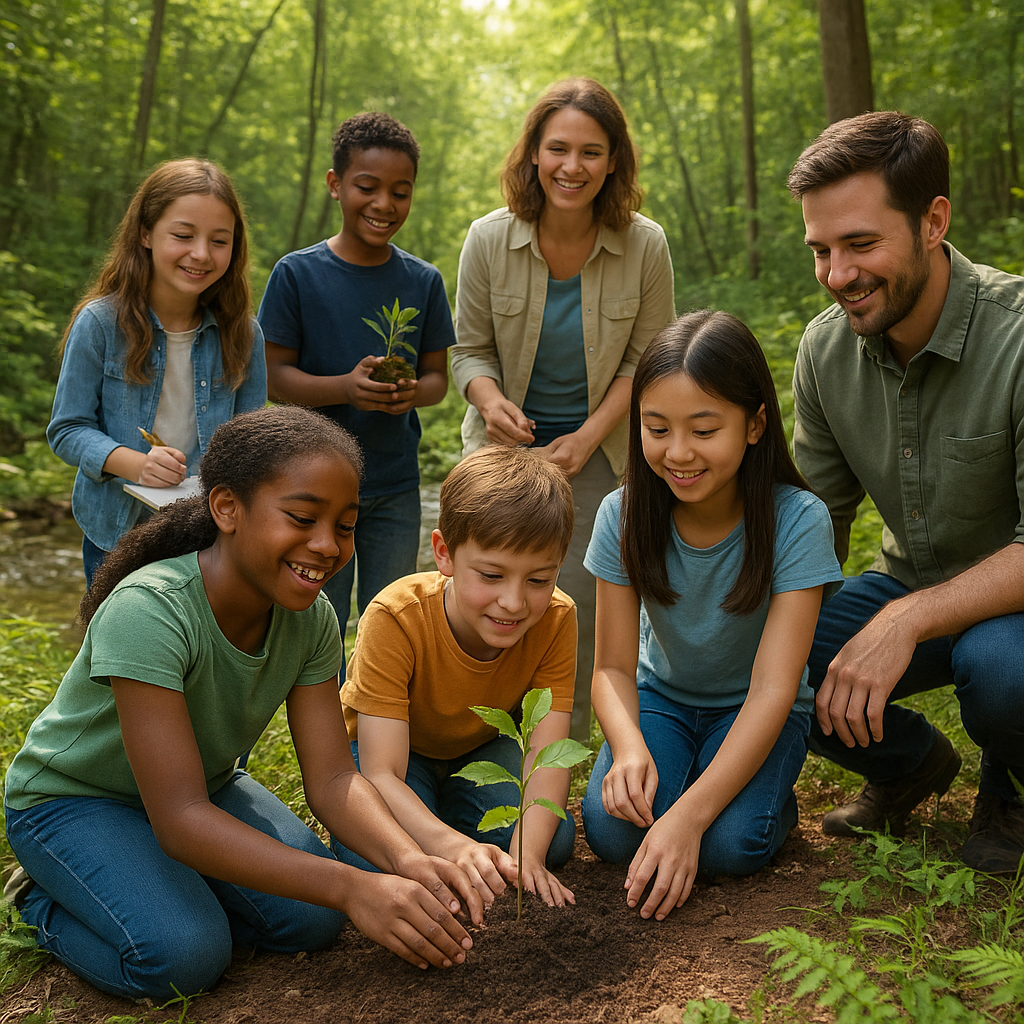
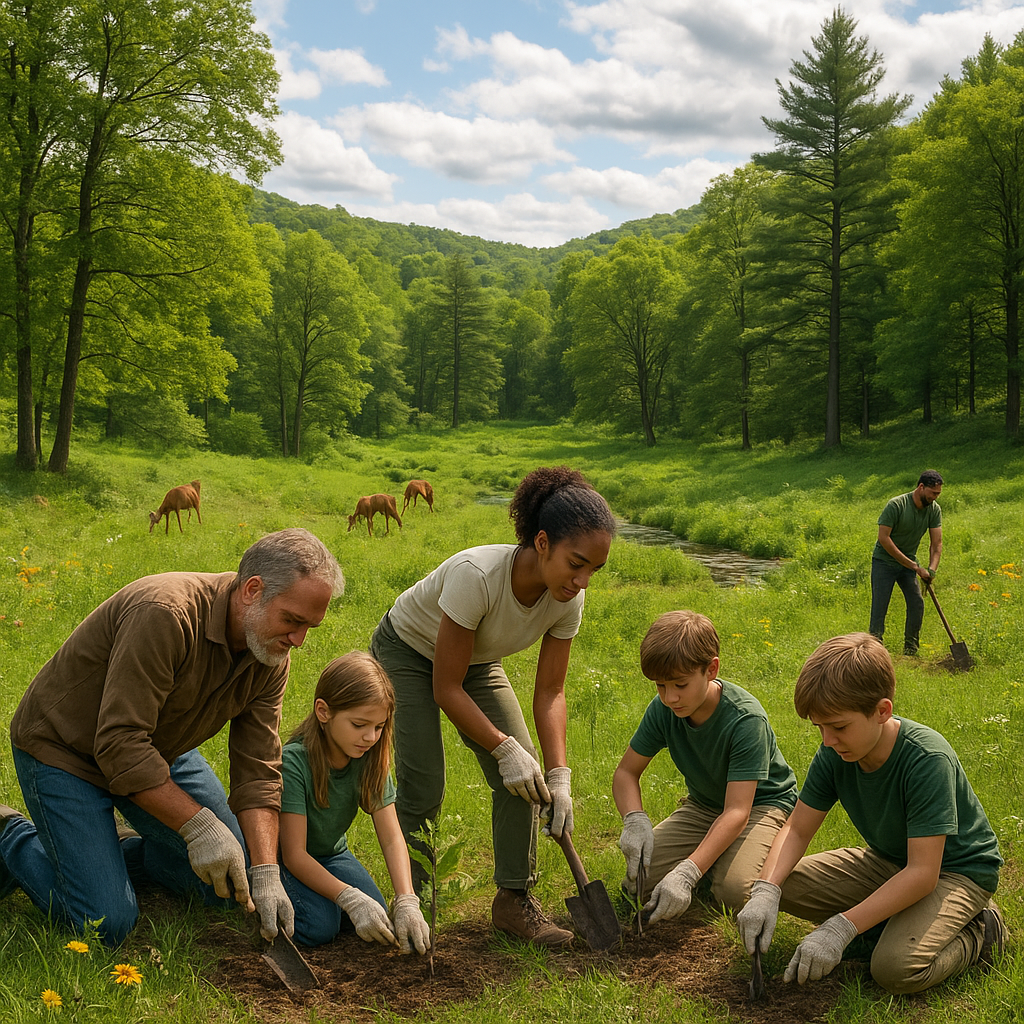
One of the best examples I have seen in action is with school-yard forest clubs. These clubs bring kids and families together around the outdoors, nature, and conservation. In one nearby community, youth participation was low at first because many felt disconnected from city planning and decision-making.
We hosted a series of workshops teaching kids about the local environment, tree species, and the benefits of green spaces. Then we gave them a chance to plan small forest projects for their school yard—a real taste of making a difference.
The change was clear and powerful. Attendance surged. Young people took pride in their role and began attending local meetings and volunteering for other causes. Education had flipped the switch for engagement, turning interest into action.
How to Boost Community Engagement Through Education in Your School-Yard Forest Club
Wondering how you can strengthen the link between education and engagement for your club? Here are some practical tips that work:
- Host interactive workshops: Create safe spaces where everyone learns about local nature and discusses ideas to improve it.
- Use storytelling: Share real stories that inspire and relate to the work.
- Leverage technology: Use social media and webinars to reach more families and keep conversations going.
- Involve local leaders: People trusted by the community help bridge gaps and encourage participation.
- Make content accessible: Use simple language and different formats so everyone can join in.
- Encourage peer learning: Empower participants to teach each other and grow together.
Overcoming Common Challenges
It is not all smooth sailing. Resistance, misinformation, cultural differences, and limited resources can slow progress. I have learned that patience and flexibility are key.
Listening deeply to concerns and adjusting educational materials or methods helps build trust. Celebrating small wins keeps energy high because real change takes time.
Final Thoughts: Why School-Yard Forest Clubs Matter So Much
These clubs are more than extracurricular activities. They are living examples of how education and engagement revive communities. When young people learn about and connect with nature, they become caretakers of their environment and community.
If you take one message from this post, it is this: invest in learning and participating in your local forest or green space club. The benefits ripple out—stronger kids, closer neighbors, and a healthier planet. I have witnessed it firsthand, and the results are inspiring.
Together, through education and active involvement, we can build schools and neighborhoods that are not only greener but kinder, smarter, and more united.
What are your experiences with school-yard forest clubs or similar community projects? Share your stories and ideas in the comments below. I would love to hear from you.