Pollinator Corridor Design Insights for November
I still vividly recall a hike through a fading forest, where the music of birdsong met the quiet of drying streams. That day opened my eyes to the fragile threads that connect nature. It also ignited my passion for wildlife habitat restoration, especially the focused art of designing pollinator corridors. These corridors are more than green spaces. They are lifelines for bees, butterflies, birds, and other pollinators struggling in our changing landscapes.
What Is a Pollinator Corridor?
A pollinator corridor is a thoughtfully designed stretch of habitat connecting scattered pollinator-friendly areas. These corridors provide essential food, shelter, and pathways for pollinators to safely move, reproduce, and thrive. Unlike isolated gardens or patches of wildflowers, corridors knit together habitats, encouraging greater biodiversity and resilience.
Establishing pollinator corridors is a powerful strategy against habitat loss driven by urban sprawl, intensive agriculture, climate shifts, and invasive species. Without these pathways, pollinators face genetic bottlenecks, declining populations, and disrupted ecosystems.
Why Focus on Pollinator Corridors This November?
November marks a critical time to plan and implement habitat restoration for pollinators across many regions. As temperatures drop and food sources diminish, well-designed corridors offer vital shelters and early blooms that sustain pollinator populations over winter.
Here is why pollinator corridor design demands priority attention:
-
Biodiversity booster: Corridors allow gene flow between isolated populations, strengthening species health and diversity.
-
Ecosystem support: Healthy pollinator populations increase crop yields, enhance wild plant reproduction, and stabilize food webs.
-
Climate adaptation: Corridors accommodate shifting ranges of pollinators responding to temperature and precipitation changes.
-
Urban and rural renewal: Even through cities and farmland, corridors create green lifelines promoting ecological and human health.
Steps to Designing Effective Pollinator Corridors
I want to share a practical approach to designing pollinator corridors rooted in ecological science and hands-on management.
1. Survey Your Site and Understand Local Needs
Look closely at the landscape. Identify existing native plants, water availability, nesting habitats, and barriers such as roads or invasive species. Research historical pollinator presence and native floral species. The goal is clear: comprehend the specific needs pollinators have here to tailor your corridor perfectly.
2. Remove Barriers and Threats
One cannot create flow where obstacles block. Remove invasive plants that outcompete native flowers. Control pesticides and pollutants that harm pollinators. Try to reduce artificial lighting disrupting nocturnal species.
3. Choose Native, Blooming Plants Strategically
Selecting the right mix of native plants is crucial. Think of staggered bloom times to provide continuous nectar and pollen from early spring through late autumn. Incorporate host plants for butterfly larvae and nesting materials like hollow stems for bees. Diversity here is key.
4. Connect the Dots Purposefully
Corridors are only effective when they link habitat patches meaningfully. Consider pollinator flight ranges, aiming to keep distances reasonable for small species. Use stepping-stone plantings over longer gaps and ensure safe crossing options over roads.
5. Monitor and Adapt
Track pollinator visits, plant health, and habitat quality regularly. Observe what works and what needs adjustment. Perhaps some flowers attract fewer pollinators or invasive plants resurface. Stay flexible and refine your design.
6. Engage Communities
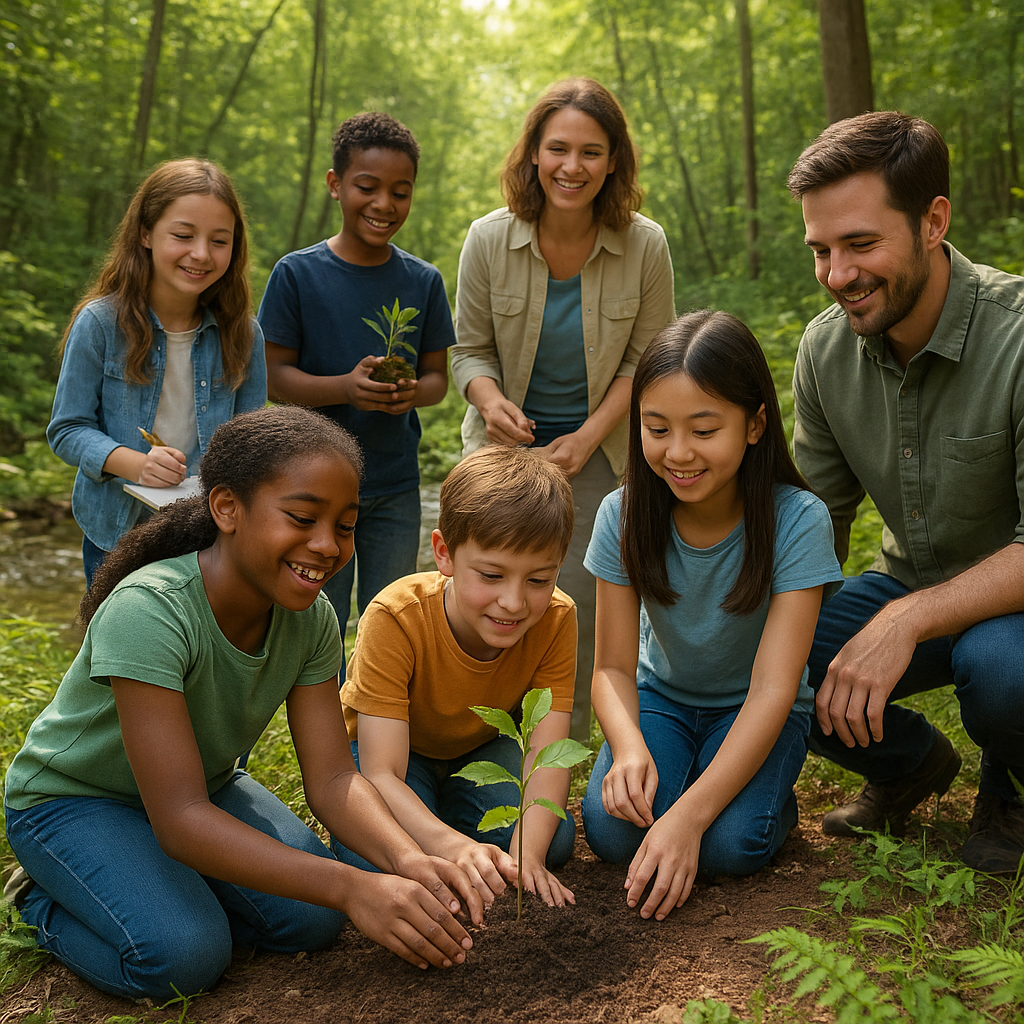
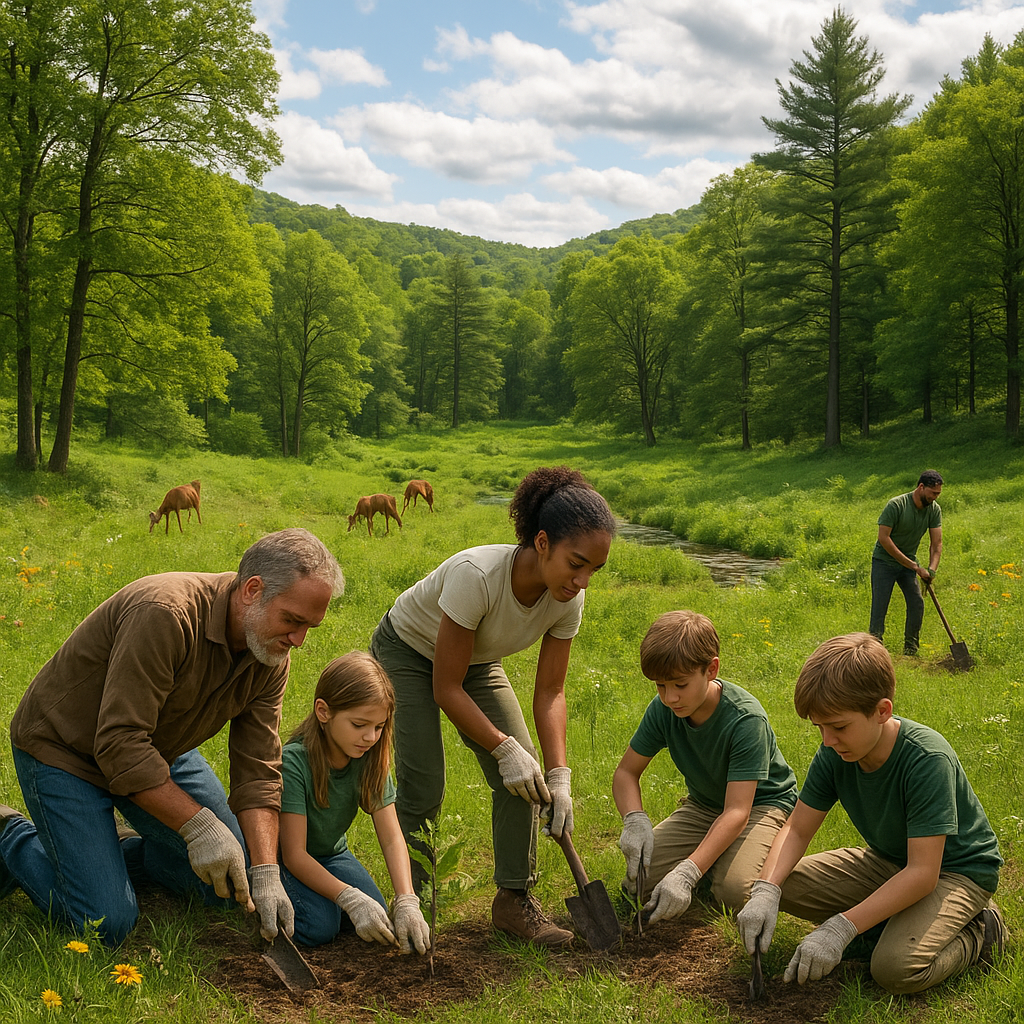
Bring people on board. Educate local gardeners, landowners, and policymakers about the corridor benefits. Organize planting days and citizen science monitoring. Building a stewardship culture ensures corridors thrive long-term.
Real-Life Wins Worth Celebrating
I have followed several inspiring projects showcasing what pollinator corridor design achieves:
-
The Chicago Pollination Initiative: By connecting urban parks with native plantings, this project boosted bee diversity and public awareness right in the city heart.
-
California's Central Valley Corridors: Here, corridors run alongside agricultural lands, aiding crop pollination while restoring wild habitat.
-
Melbourne's Backyard Habitat Network: Neighborhood-level corridor creation increased butterfly populations and created community bonds.
These examples prove corridors are achievable and impactful when science and people unite.
Challenges We Face and How to Overcome Them
Designing corridors is no walk in the park. Challenges include:
-
Complex species interactions: Pollinators differ widely in needs; one size does not fit all.
-
Funding and maintenance: Long-term investment is essential to keep corridors healthy over years.
-
Urban development pressures: Space constraints demand creative, multi-functional designs.
-
Climate unpredictability: Changing weather patterns can affect plant and pollinator timing.
Yet each challenge is an invitation to innovate. Embrace adaptive management and community partnerships to build resilient corridors.
How You Can Contribute Today
Pollinator corridors thrive because of individuals who care and act. Here’s how you can pitch in:
-
Volunteer with local habitat restoration or native plant organizations.
-
Create a mini corridor in your yard by planting native flowers that bloom across seasons.
-
Advocate for policies supporting pollinator-friendly land management.
-
Share knowledge with friends and neighbors, sparking collective impact.
Every flower planted and barrier removed counts toward a healthier landscape.
Final Thoughts on Pollinator Corridors This November
Designing pollinator corridors is a powerful step in restoring and sustaining the vital networks of life that support us all. This November, as landscapes shift and nature braces for winter, focusing on these green pathways can offer hope and renewal.
I invite you to join this journey. Let us combine science, community, and care to connect habitats, empower pollinators, and nurture a thriving natural world. Together, we can create corridors of life that endure and inspire.
Have you contributed to a pollinator corridor project or designed one yourself? Share your experiences or questions below. I am eager to hear your stories and learn how you are helping pollinators live and flourish.