Riparian Buffer Restoration Insights for November
There’s something truly inspiring about witnessing the transformation of a riparian buffer zone—a once neglected, eroded stretch along rivers or streams—blooming back into a vibrant, life-supporting space. Over the years, I’ve worked extensively in riparian buffer restoration, and every project feels like a powerful story of renewal. Today, I want to share why restoring these vital areas matters so much, how the process unfolds, and the lasting impact it has on ecosystems and communities alike.
What Is Riparian Buffer Restoration?
Simply put, riparian buffer restoration means repairing the strips of vegetation along waterways that protect water quality, provide habitat, and stabilize soil. These buffers act as nature’s frontline defenders—they filter runoff, reduce erosion, shade water to regulate temperature, and offer critical habitat to countless species. When they suffer damage—through development, agriculture, or deforestation—restoration works to bring them back to health.
Think of riparian buffers as the green shoulders of our rivers and streams. Without them, water ecosystems falter, and the creatures that depend on clean water and healthy banks struggle to survive.
Why Is Riparian Buffer Restoration So Important?
There are plenty of reasons why investing effort in restoring riparian buffers pays huge dividends:
- Water Quality Protection: Buffers act like natural water filters. They trap sediments, pesticides, and excess nutrients before these pollutants reach the waterways.
- Erosion Control: Plant roots firmly bind soil, preventing the banks from washing away during storms and floods.
- Habitat Support: These zones create corridors for fish, birds, amphibians, and mammals, preserving biodiversity.
- Temperature Regulation: Shade from trees keeps water temperatures cool, which is essential for species like trout.
- Flood Mitigation: Healthy buffers absorb and slow runoff, helping reduce the severity of floods downstream.
Restoring riparian buffers is a key strategy in building resilient watersheds and protecting freshwater resources—something increasingly crucial as climate patterns shift.
The Riparian Buffer Restoration Process: Step by Step
Let me walk you through how restoration typically takes shape based on hands-on experience:
1. Site Evaluation
It starts with a detailed look at the site. What’s the current state of vegetation? How severe is bank erosion? How have past land uses impacted soil and water flow? This assessment guides the entire restoration plan.
2. Goal Setting and Planning
Clear objectives provide direction. Are you aiming to improve fish habitat, reduce sediment loads, or restore native plant communities? Goals help prioritize actions and resources effectively.
3. Removing Invasive Species
Non-native plants often crowd out native flora and weaken the buffer’s function. Employing mechanical removal or targeted herbicides ensures the right plants get a foothold.
4. Stabilizing Banks and Soil
Restoration may require reshaping eroded banks or installing natural structures like coir logs and live stakes. Soil amendments might be added to promote healthy root growth.
5. Planting Native Vegetation
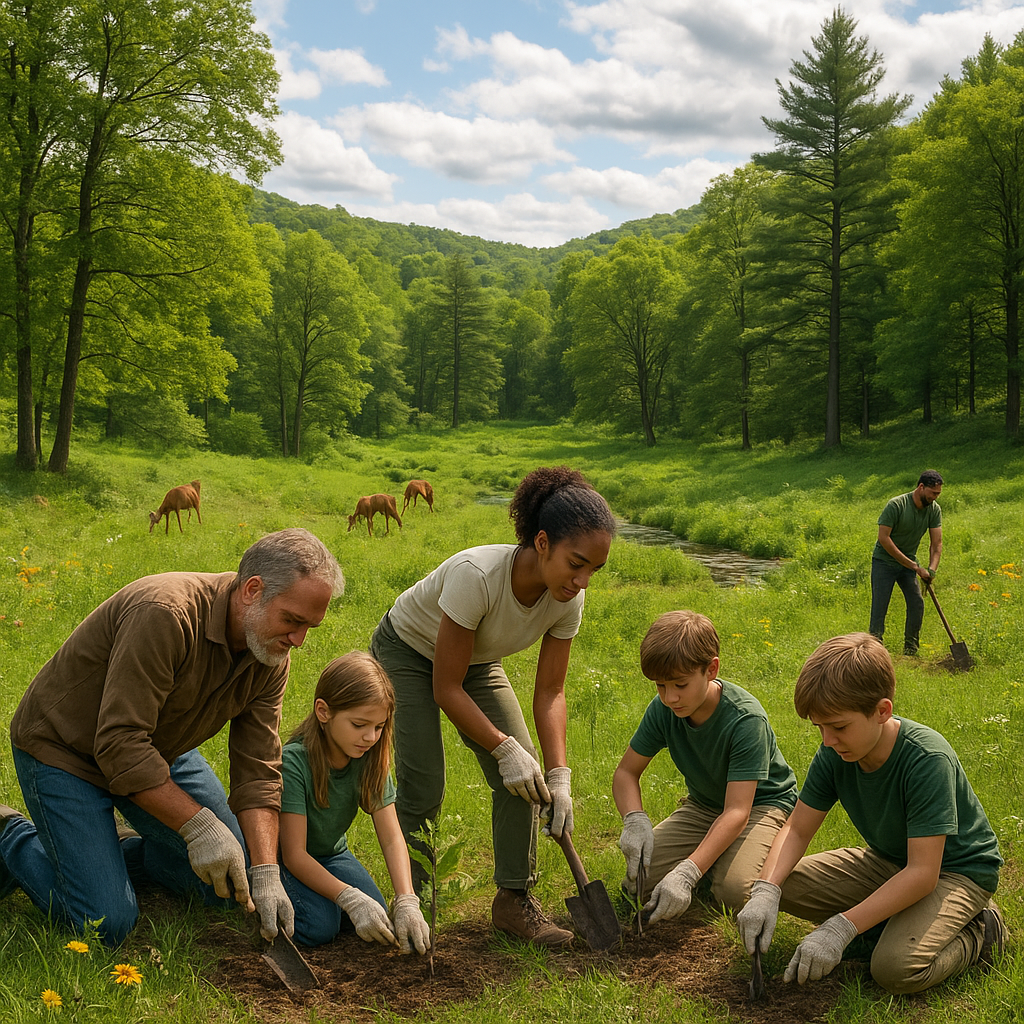
This is where restoration breathes life back into the buffer. A mix of native trees, shrubs, and grasses suited to local conditions rebuilds the plant community. These plants bring shade, root networks, and habitat complexity.
6. Monitoring and Adaptive Management
The work doesn’t end with planting. Continuous monitoring tracks success and reveals issues like invasive regrowth or plant mortality. Adjustments and maintenance keep the restoration on track.
Common Challenges and How We Navigate Them
Riparian buffer restoration comes with its share of hurdles:
- Resource Limitations: Budgets can be tight. Engaging local volunteers and partnerships often help extend capacity.
- Climate Variability: Droughts, floods, and temperature swings test plant survival. Selecting drought-tolerant and flood-resilient native species is crucial.
- Human Pressures: Urban expansion and recreational use sometimes conflict with restoration zones. Outreach and protective measures make a difference.
- Time and Patience: It can take years before full benefits emerge. Remaining committed through slow growth phases is part of the journey.
Each challenge demands flexibility, creative problem-solving, and a long-term mindset.
Success Stories That Inspire
One of the projects closest to my heart involved a severely eroded streambank once overwhelmed by invasive reed canary grass. We carefully removed the invasive plants, reshaped the bank with natural materials, and planted a diverse mix of native willows, sedges, and wildflowers. Regular monitoring and community education helped maintain momentum. Over time, water clarity improved, fish and amphibian populations rebounded, and local residents gained a renewed sense of connection to their waterway.
Stories like this remind me why riparian buffer restoration is so rewarding: it rejuvenates ecosystems and reawakens communities.
How You Can Make a Difference
Even if you don't manage land next to a waterway, there are meaningful ways to contribute to riparian restoration efforts:
- Support local conservation groups with time or donations.
- Use native plants in your garden, especially ones known to thrive along streams.
- Learn about the impacts of runoff and pollution, then advocate for better land use policies.
- Reduce the use of fertilizers and pesticides that can harm waterways.
- Respect riparian zones by staying on marked trails and avoiding sensitive areas.
These small actions build momentum toward healthier watersheds.
Final Thoughts: Riparian Buffers Are Lifelines We Can Restore
Riparian buffer restoration is more than just planting trees and shrubs. It’s an essential investment in the health of our rivers, wildlife, and communities. Through hands-on work, patient care, and science-guided strategies, these living borders can regain strength and function.
I’ve witnessed how restored buffers protect water quality, provide refuge to wildlife, and reconnect people with nature. The benefits ripple far beyond shorelines. If you care about clean water and thriving ecosystems, consider engaging with riparian buffer restoration efforts. Together, we can nurture these vital landscapes and keep our waterways alive and vibrant for generations to come.