Best Sapling Planting Methods Insights for November
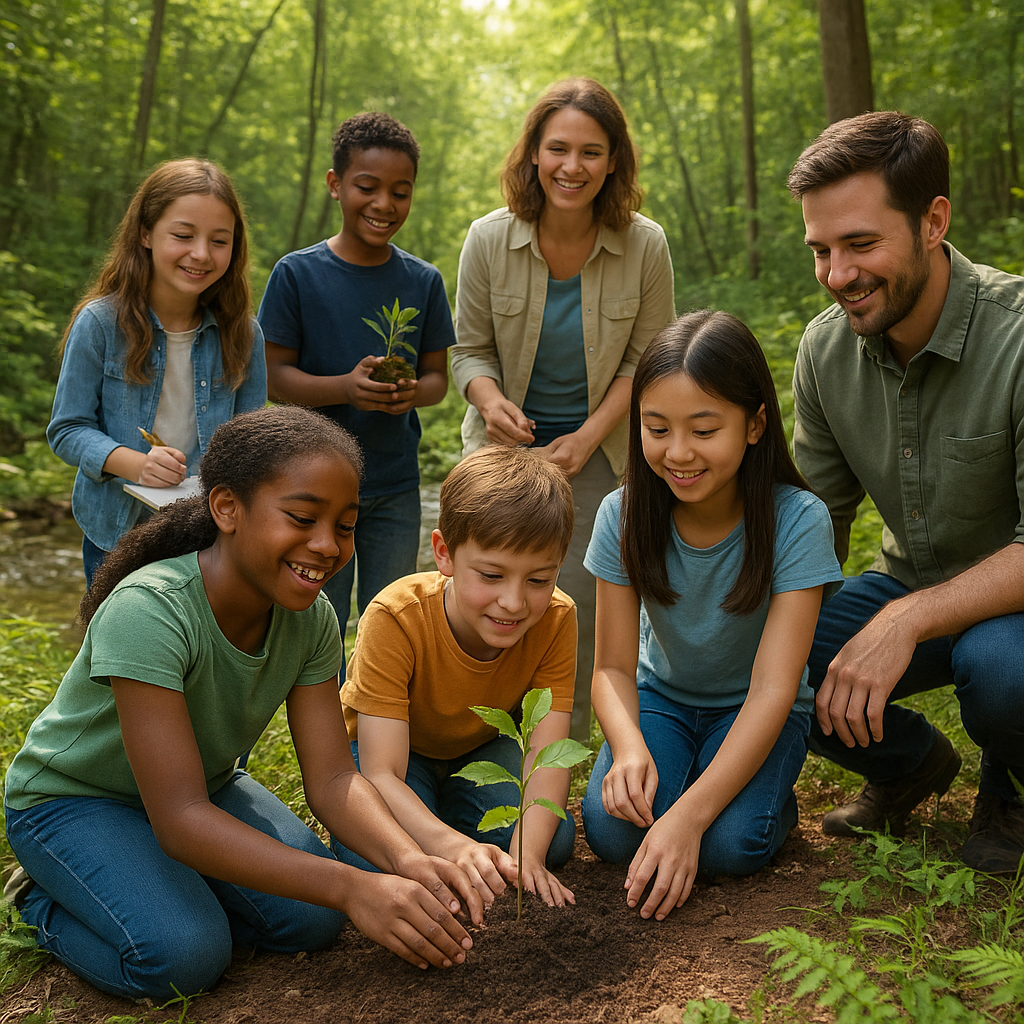
Planting saplings is more than just putting trees into the ground. It’s about giving life to forests, creating homes for wildlife, and restoring balance to our planet. Over the years, I have worked with many reforestation projects, and the method of planting saplings has always been at the heart of it all. In this post, I want to share the best sapling planting methods that have proven effective, especially during the crucial month of November. Whether you are an experienced planter or just starting out, this guide will help you get the best results.
Why Sapling Planting Matters
Forests cover around 31 percent of our planet’s land, but each year we lose millions of hectares to deforestation. When saplings are planted correctly, they stand a better chance to survive and grow strong. The right sapling planting method not only boosts growth rates but also improves long-term forest health.
November is a great time to plant saplings in many regions. The soil is cooler and moisture levels tend to be higher after autumn rains. This means saplings can establish their roots without the harsh stress of summer heat. But timing alone isn’t enough. Proper techniques make all the difference.
My Top Sapling Planting Methods for November
1. Site Preparation Is Essential
Before planting saplings, prepare the land well. Clear away debris and weeds so saplings don’t have to compete for nutrients. In some cases, loosening compacted soil helps roots penetrate deeper.
A packed soil layer can block roots, and saplings could wither before they take hold. Use simple tools or machinery depending on the scale of your project. Removal of invasive plants is also critical—these can choke young trees out before they get a chance to grow.
2. Choose Healthy, Well-Rooted Saplings
Saplings should be vigorous, with well-developed roots and no signs of disease or damage. Tubestock, container-grown, or bare-root saplings each have pros and cons, but the key is quality.
In November, bare-root saplings are often still dormant. Planting these when the ground is moist can help them wake up and start growing. For container-grown saplings, make sure to handle them gently to avoid root damage.
3. Dig Proper Holes and Plant at Correct Depths
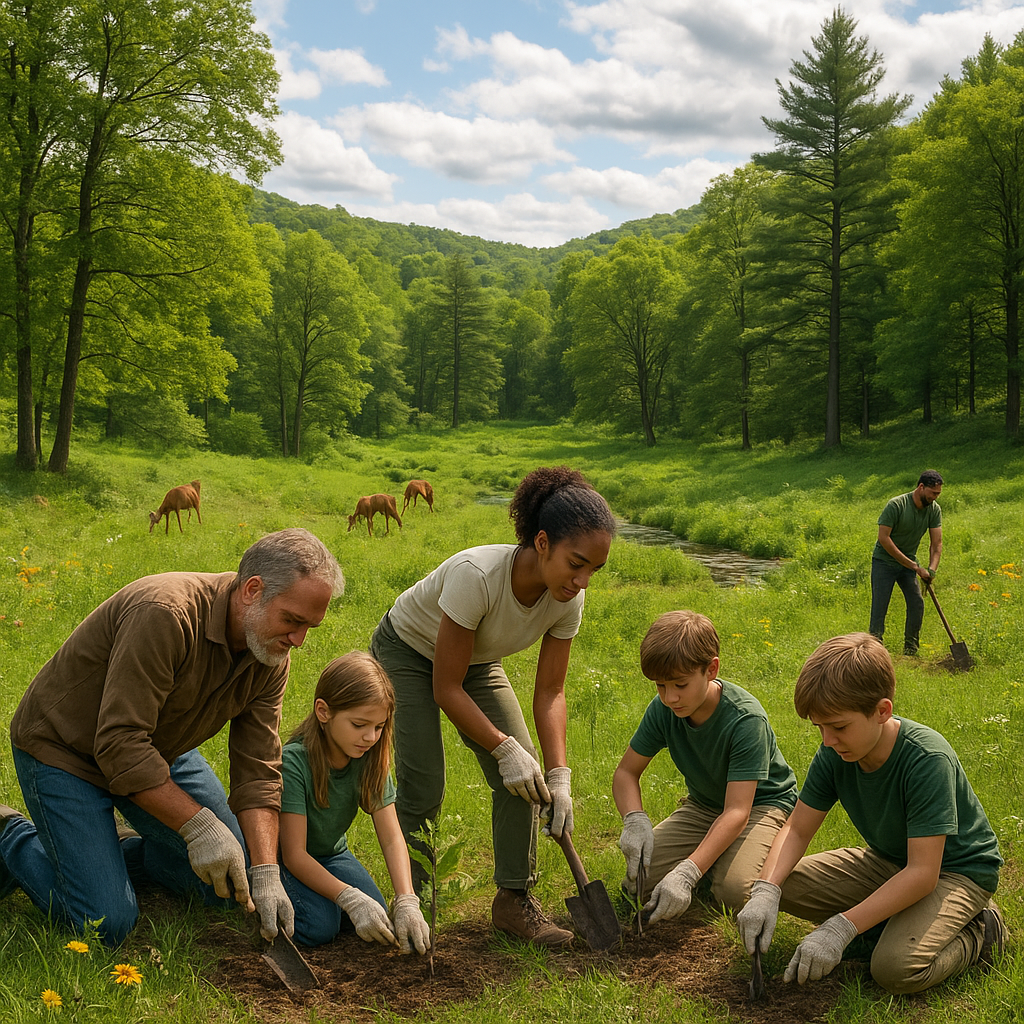
The way you dig holes and plant saplings affects survival rates massively. Each hole should be wide and deep enough to allow roots to spread naturally.
The top of the root ball or root system should sit just below ground level. Planting too deep or too shallow stresses the saplings and reduces their ability to take up water and nutrients.
After placing the sapling, backfill the hole with soil, avoiding air pockets that can dry out roots. Firm the soil gently around the base to stabilize the sapling.
4. Water Immediately and Mulch
Once planted, saplings need water right away to settle their roots and reduce transplant shock. Even if the rainy season arrives, giving saplings a good watering helps them survive dry spells.
Applying mulch around saplings offers several benefits:
- Retains soil moisture
- Reduces weed competition
- Regulates soil temperature
Organic mulches like wood chips or leaf litter are excellent, but be careful not to pile mulch against the sapling’s stem—this can cause rot.
5. Protect Saplings from Grazing and Harsh Elements
Young saplings are fragile. Protect them with fencing, tree guards, or individual shelters to prevent damage from animals like deer, rabbits, or livestock.
Wind and frost can also harm saplings, especially in exposed sites during colder months. Using windbreaks or frost cloths can give saplings the start they need to thrive.
Common Challenges and How to Overcome Them
Planting saplings is rewarding, but it comes with its own set of challenges:
- Soil Issues: Poor soil drains badly or lacks nutrients. Adding organic matter or soil conditioners before planting improves outcomes.
- Pests and Diseases: Monitor regularly and take action if insects or diseases appear. Sometimes natural predators or safe organic treatments help.
- Climate Fluctuations: Droughts or unexpected frosts can damage saplings. Planting at the right time and using protective measures minimize these risks.
Final Thoughts on Sapling Planting Success
In my experience, the best sapling planting methods combine careful preparation with attention to detail during and after planting. Patience is crucial—saplings need time and care to grow into healthy forests.
Every forest is unique, and what works in one place might not suit another perfectly. But taking the time to prepare the site, select healthy saplings, plant correctly, water properly, and protect young trees goes a long way toward success.
If you plan to start planting saplings this November or anytime soon, remember: small efforts can lead to big changes. Each healthy sapling is a step toward a greener, more vibrant Earth.
Thank you for reading! If you have questions or want advice on starting your sapling planting project, feel free to leave a comment or reach out. Together, we can grow a better future, one sapling at a time.