Agroforestry Integration Methods Insights for October
When I started exploring agroforestry integration methods, I quickly realized this approach does more than just plant trees. It weaves agriculture and forestry into a single dynamic system that benefits both the environment and local communities. The idea of blending trees with crops and livestock isn’t new, but its potential to restore ecosystems while supporting farmers is more relevant today than ever.
Why Agroforestry Matters
Forests cover approximately 31 percent of Earth’s land area and provide habitats for a vast majority of terrestrial species. Yet, deforestation continues to threaten these vital ecosystems, impacting biodiversity, climate stability, and the livelihoods of millions. Agroforestry steps in as a solution that offers a sustainable way to reintroduce tree cover without sidelining the essential work of farming.
The beauty of agroforestry lies in its harmony. It helps increase soil fertility, improves water retention, and diversifies income sources for farmers. These factors are crucial in regions facing the dual challenges of food insecurity and environmental degradation.
Understanding Core Agroforestry Integration Methods
Over the years, I have studied and observed various agroforestry practices. Each method has nuances that cater to different climates, soil types, and community needs. Below are some of the primary methods I find most effective.
Alley Cropping
This method involves planting rows of trees or shrubs with crops in the alleys between them. The trees provide shade and windbreaks, while their roots help stabilize soil and recycle nutrients.
I appreciate how alley cropping balances the needs of crops and trees. It creates microclimates that protect plants during extreme weather, a benefit that has become increasingly vital with climate change intensifying.
Silvopasture
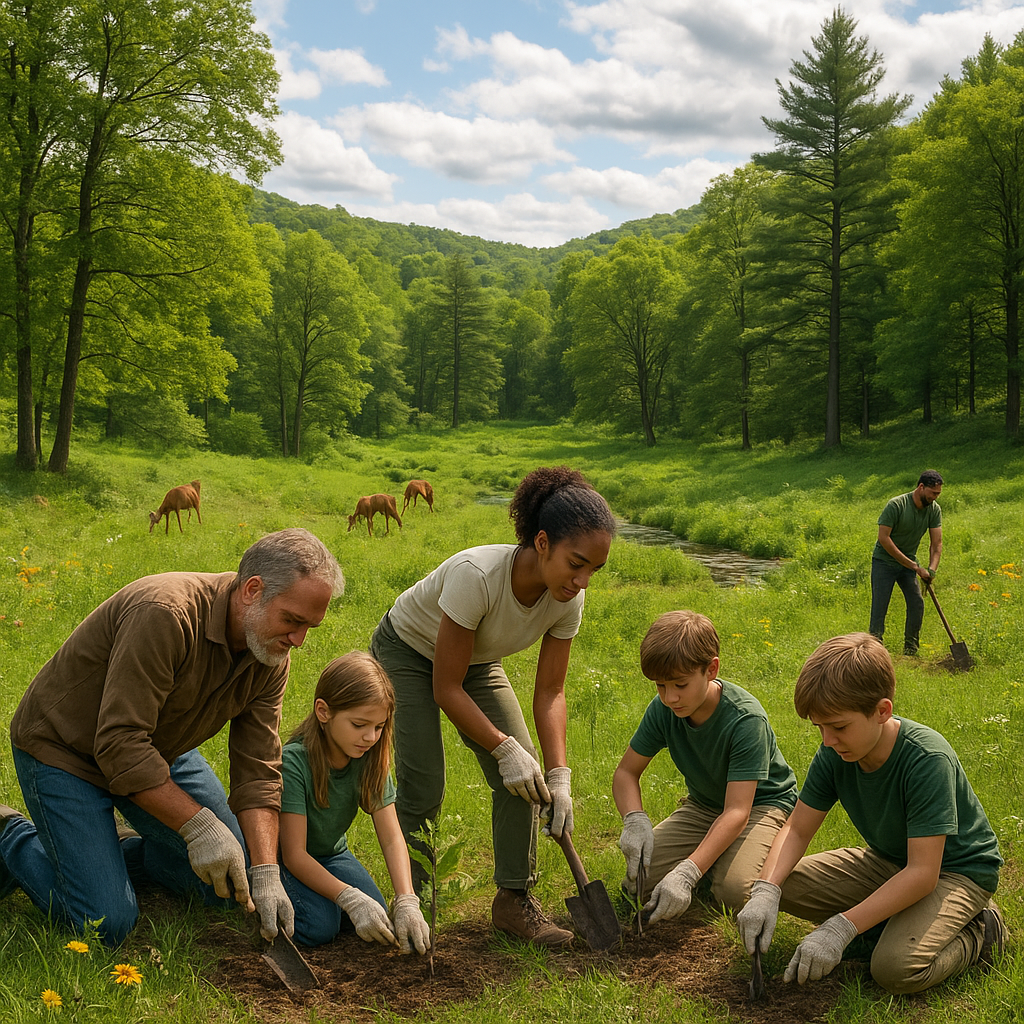
Silvopasture integrates trees with livestock grazing. Animals feed on pasture grasses growing beneath scattered trees, which in turn offer shade and shelter.
I have talked to farmers using silvopasture who say their livestock are healthier with this system. Shade reduces heat stress and helps maintain better moisture in grazing areas. This synergy also prevents overgrazing, promoting soil health over time.
Riparian Buffers
Establishing strips of trees and shrubs along waterways serves multiple functions—filtering runoff, reducing erosion, and enhancing aquatic habitats.
The protective role of riparian buffers is something I find crucial. They act as natural filters that keep waterways clean, supporting biodiversity both in the water and on land.
Home Gardens and Multistrata Systems
These are complex layers of trees and plants cultivated around homesteads. They often mimic natural forest strata, growing tall canopy trees alongside fruit trees, herbs, and vegetables.
I find this method fascinating because it demonstrates how diverse an agroforestry system can be. Home gardens provide food, medicine, and materials while creating a resilient environment right at people’s doorsteps.
Key Factors for Successful Agroforestry Integration
From my experience, there are a few critical elements that determine success:
- Site Assessment and Soil Health: Knowing the landscape and soil conditions helps select suitable species and plan layout effectively. A mismatch can lead to competition rather than cooperation between plants.
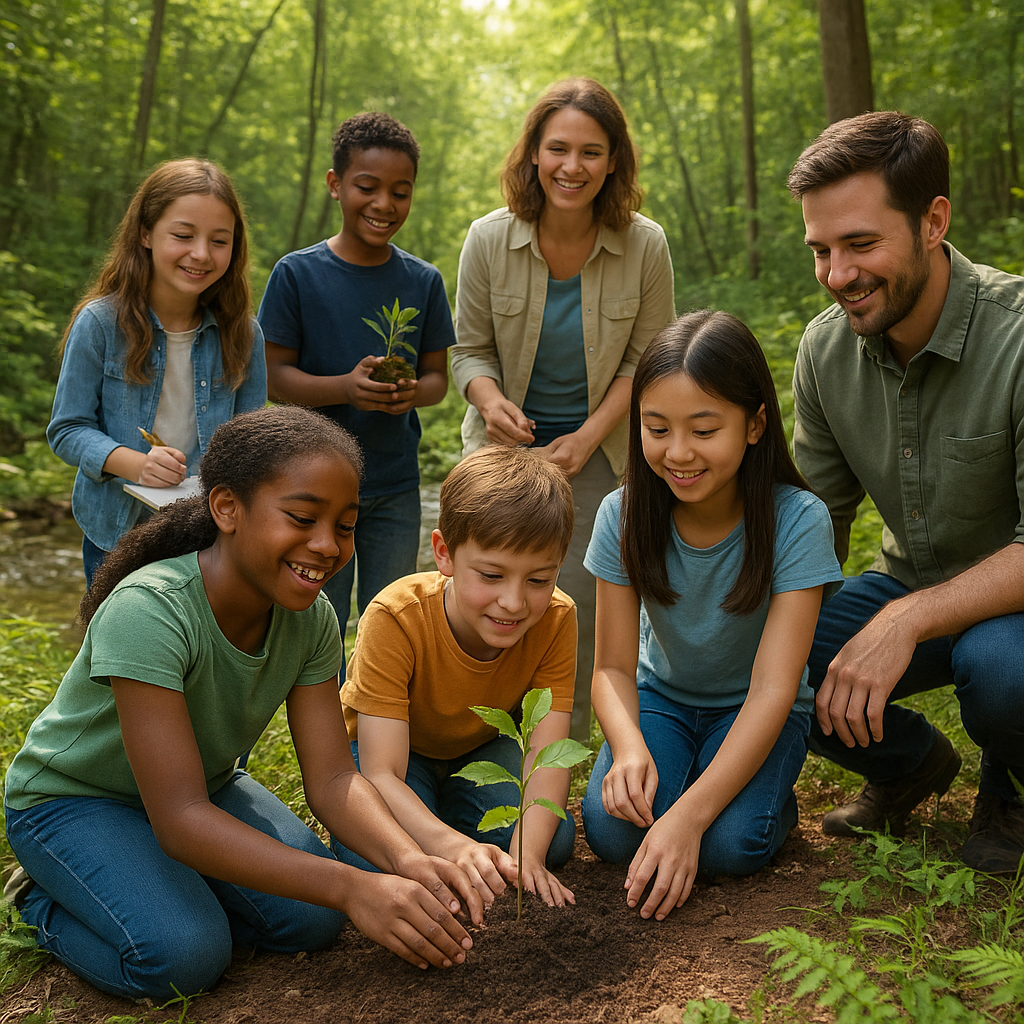
- Community Engagement: Projects that involve local people and respect their knowledge tend to thrive. Agroforestry often supports livelihoods, so ensuring the community benefits keeps momentum strong.
- Species Selection: Using native or well-adapted species reduces risks and supports local biodiversity. Introducing incompatible species can disrupt existing ecosystems.
- Training and Management: Agroforestry requires care and understanding. Ongoing education for farmers about pruning, harvesting, and pest control is vital to long-term resilience.
Technology and Innovation Supporting Agroforestry
Modern tools have enhanced the efficiency and scale of agroforestry integration. Remote sensing and GIS mapping allow precise planning and monitoring. Mobile apps provide farmers with site-specific advice on species choice and care. Drones help assess canopy health and detect problem areas.
These advances, combined with traditional knowledge, create a powerful toolkit for scaling agroforestry worldwide.
Reflections and Outlook
Agroforestry is not just a method; it is a mindset that embraces complexity and balance. The more I observe its impact, the clearer it becomes that integrating trees with agriculture offers multiple wins—for the climate, biodiversity, and people.
There are challenges ahead, certainly. Climate variability, land pressures, and policy gaps can slow progress. But with a thoughtful approach that combines science, local insight, and technology, agroforestry stands as a promising path toward greener, more sustainable landscapes.
If you are interested in making a tangible difference, consider supporting or participating in agroforestry initiatives. These practices offer a practical way to restore ecosystems and improve livelihoods—one integrated system at a time.
Join the conversation about agroforestry and sustainability. Together we can foster landscapes that nurture both people and the planet.