Environmental Curriculum For Schools Insights for October
I have long believed that strong communities depend on education that is meaningful and relevant. At the core of that is an environmental curriculum for schools that inspires students to connect with their world and take action to protect it. This topic is becoming more important than ever, not just for educators but for every person concerned about the future of our planet.
What Makes Environmental Education So Crucial in Schools
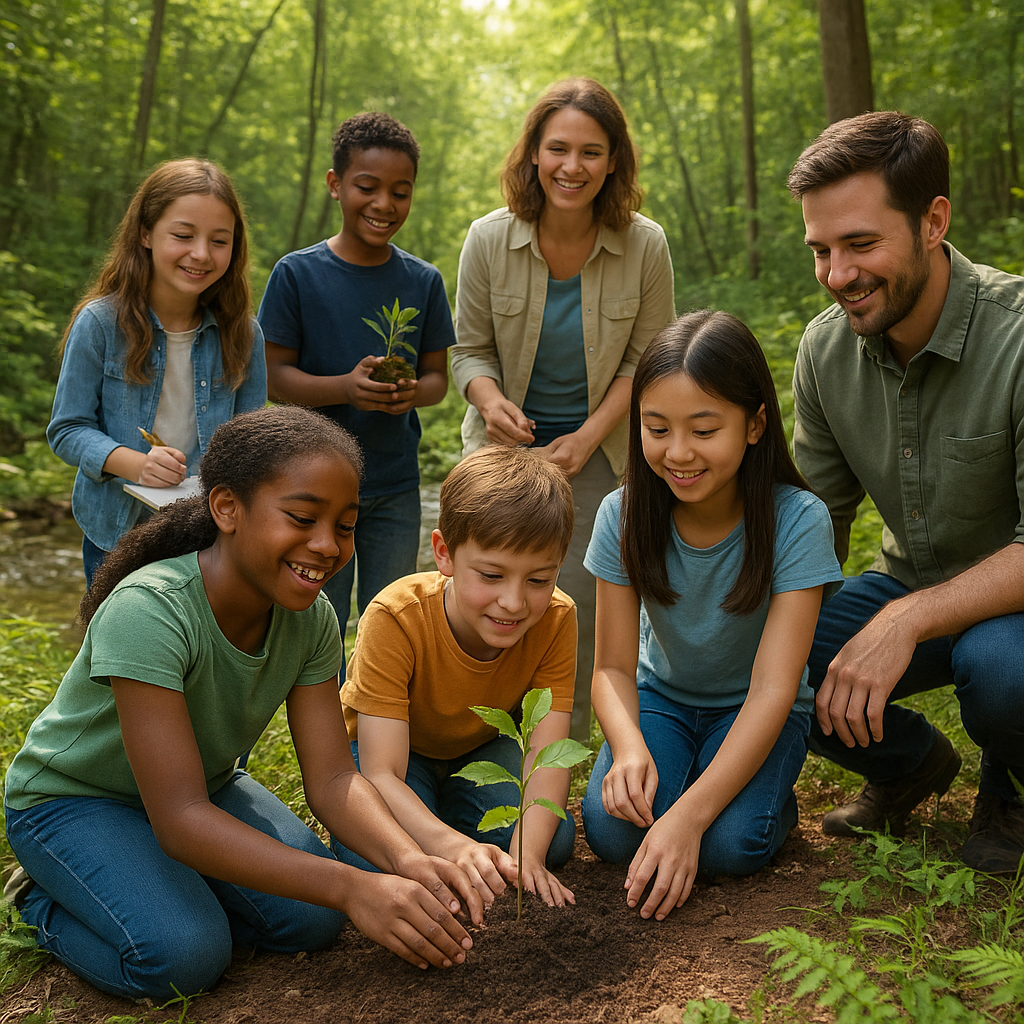
Environmental education goes beyond textbooks. It is about engaging students actively with real-world issues like climate change, conservation, and sustainability. When schools welcome this kind of curriculum, they are planting seeds of awareness and responsibility in young minds.
Why does this matter? Because the more students understand their environment—the challenges and the solutions—the more empowered they become to make positive changes both today and tomorrow. It moves education from theory to practical, from knowledge to action.
Bringing Environmental Curriculum to Life
A successful environmental program in schools should be:
- Relevant to the local community and its ecological context
- Hands-on, encouraging field trips, experiments, and projects
- Inclusive, ensuring accessibility for all students
- Interdisciplinary, connecting science, social studies, and even the arts
For example, teaching students about local water conservation efforts can build a sense of place and responsibility. Gardening programs in schoolyards not only demonstrate biology in action but also foster teamwork and patience.
How Environmental Education Boosts Engagement and Learning
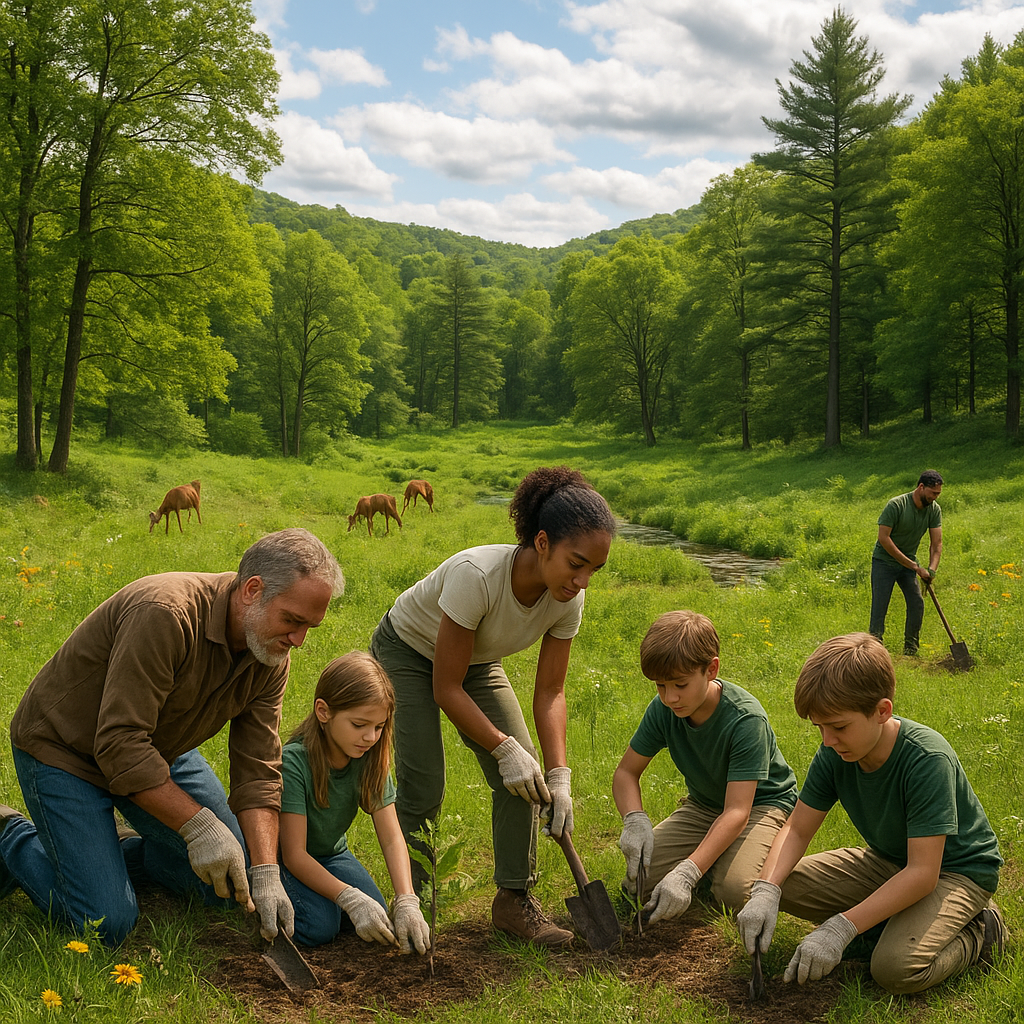
When students see the impact of their actions—be it planting trees, recycling, or energy saving—they gain a sense of agency. This hands-on approach builds stronger engagement than lectures alone ever will.
Additionally, these lessons foster critical thinking. Students learn to analyze complex problems like pollution or habitat loss. They develop solutions in groups, encouraging collaboration and creativity.
Practical Tips for Schools Implementing Environmental Curriculum
Over the years, I have learned a few things about making environmental education effective:
1. Start Small but Stay Consistent
Begin with manageable projects or lessons. Build momentum over the school year so students feel a continuous connection to the environment.
2. Partner with Community Organizations
Local environmental groups can offer resources, expertise, and real-world perspectives that enrich the classroom experience.
3. Customize Content for Your Audience
Every community is unique. Tailor lessons to local environments and cultural contexts, making the material more relatable and impactful.
4. Incorporate Diverse Learning Methods
Use videos, outdoor activities, guest speakers, and group work to cater to different learning styles and keep things engaging.
5. Measure Impact and Celebrate Success
Track progress through projects or student reflections. Celebrating achievements encourages pride and sustained interest.
Overcoming Common Challenges in Environmental Education
Introducing an environmental curriculum is not without obstacles. Time constraints, budget limits, and sometimes resistance from stakeholders can slow progress. Language barriers and varying student backgrounds might also pose challenges.
But these hurdles are surmountable with creativity and patience. For example:
- Leveraging volunteer support
- Integrating environmental topics into existing subjects
- Using simple, clear language and visuals for diverse learners
Flexibility is key. Adapting programs to meet the needs and realities of your school community creates lasting change.
Why I Am Passionate About Environmental Education in Schools
I have witnessed firsthand the transformation when students become environmental stewards. Their curiosity ignites. Their connection to nature deepens. And that spark can lead to lifetime habits that benefit communities and the planet.
In a time when environmental crises dominate headlines, schools have an essential role. They are places where knowledge meets action. They empower the next generation not just to survive but to thrive in a changing world.
Final Thoughts: Let Us Prioritize Environmental Teaching
If you are an educator, school leader, or community member invested in the future, I encourage you to advocate for strong environmental curriculum in schools. It is more than a subject in the syllabus. It is a bridge to understanding, stewardship, and hope.
When communities come together around environmental learning, the results are powerful and far-reaching. Students become active participants in shaping a sustainable future, and that is a goal worth striving for every day.
Have you seen environmental education make a difference in your school or community? Share your experiences or questions below. I am eager to hear your stories and insights.