Youth Leadership In Conservation Insights for September
When I first started working with youth in conservation, I thought leadership was just about organizing teams or running projects. It sounded straightforward enough. But very soon, I realized that youth leadership and conservation education are powerful forces that can transform not only how young people see the environment but also how communities protect it for future generations.
In this blog, I want to share what I have learned about why empowering young leaders in conservation matters more than ever. These ideas come from real experience and deep reflection, and they show why youth engagement is not a side effort but a critical pillar for lasting environmental progress.
Defining Youth Leadership in Conservation
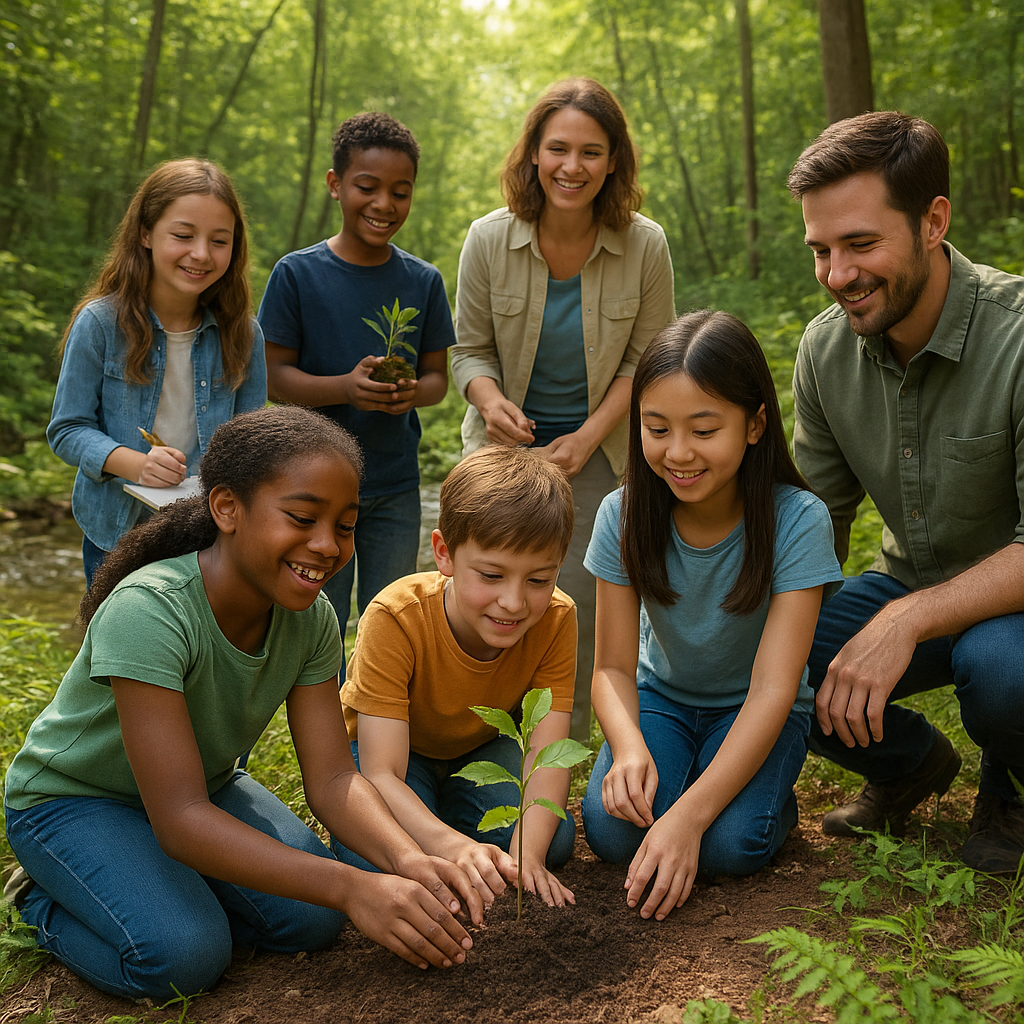
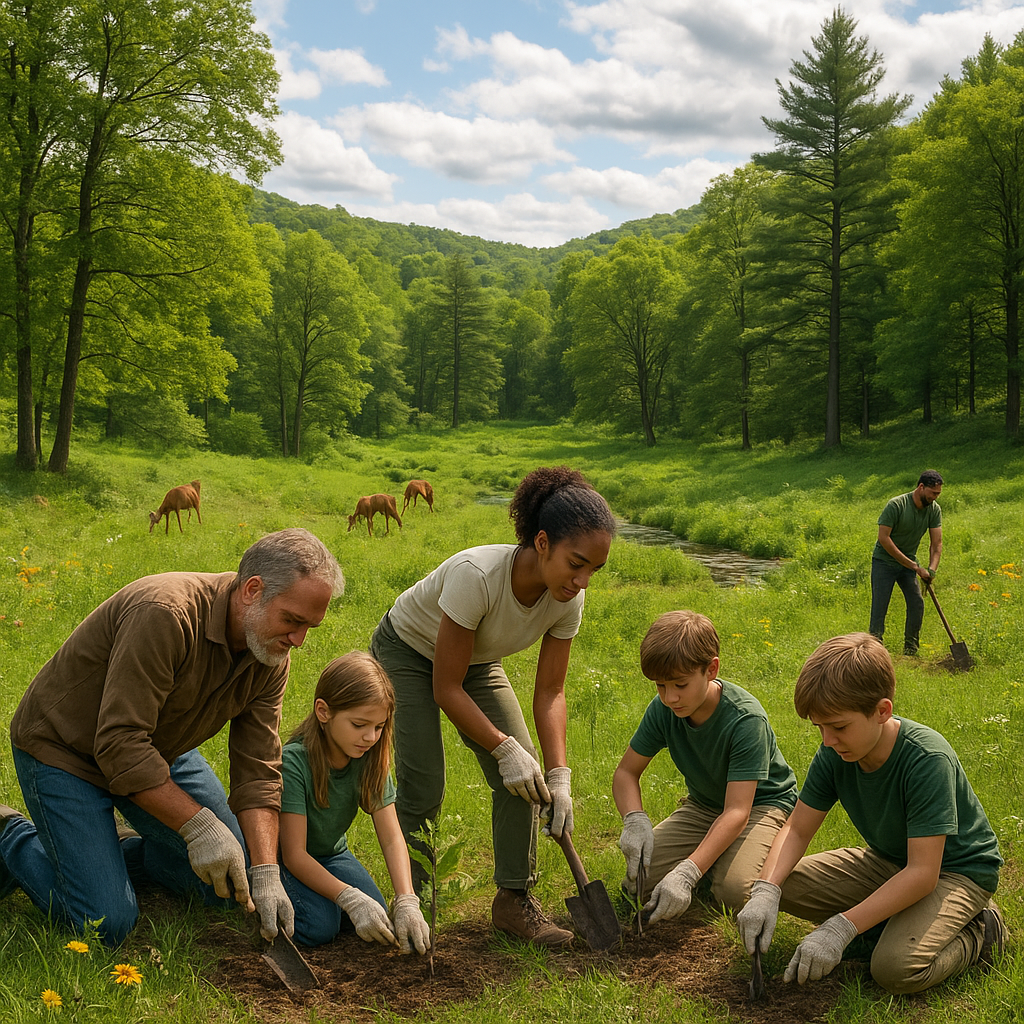
At its heart, youth leadership in conservation means providing young people with the knowledge, tools, and opportunities to take charge of protecting natural resources. It’s about guiding them to become active decision-makers and advocates within their communities.
But here’s the key: leadership is not a one-way street where adults merely hand instructions to youth. True youth leadership flourishes when young voices drive the conversation. This shared effort creates stronger connections between generations and empowers fresh ideas to tackle environmental challenges.
Why Education Fuels Youth Leadership
Education stands at the core of nurturing youth leaders in conservation. But this education goes beyond textbooks or formal classrooms. It includes a variety of approaches that spark passion and develop skills:
- Hands-on workshops and field experiences
- Awareness campaigns focused on local environmental issues
- Peer learning where youth share knowledge and inspire each other
- Open dialogues that respect diverse perspectives
These educational methods equip young people with practical knowledge to understand complex ecological systems and the confidence to act. When education is co-created with youth, it perfectly fits their interests and community realities, making conservation efforts more meaningful and sustainable.
Personal Reflections from My Work with Youth Leaders
A moment that shaped my understanding was when I worked with a group of young people focused on restoring a polluted urban watershed. Initially, we planned a series of educational seminars delivered by experts. Despite good intentions, attendance was sparse, and enthusiasm was low.
We realized we had underestimated the importance of listening to the youth first. When we shifted gears and invited them to design activities themselves — like water testing projects and storytelling events highlighting local wildlife — the energy changed completely. Participation soared. The youth brought creativity and ownership that adult-led sessions lacked.
That shift taught me a simple but powerful lesson: youth leadership in conservation succeeds when young people lead the learning and the action.
Effective Strategies to Promote Youth Leadership in Conservation
Based on my experience, here are six approaches that can help programs thrive:
1. Listen First and Often
Understand youth priorities and challenges through conversations and surveys before launching initiatives.
2. Build Trust and Relationships
Leadership grows in environments where young people feel valued, respected, and heard consistently.
3. Embrace Diversity
Include youth from different backgrounds, experiences, and perspectives to enrich conservation approaches and equity.
4. Co-Create Programs
Let youth design education and action projects. This fosters ownership and relevance.
5. Offer Varied Learning Formats
Use workshops, outdoor activities, storytelling, and digital media to reach different learning styles.
6. Measure and Adapt Together
Collect feedback regularly to refine programs and share both successes and challenges openly.
The Impact of Strong Youth Leadership in Conservation
When youth leadership and education come together well, the effects extend far beyond the environment. We see:
- Young leaders who feel empowered, confident, and ready to advocate
- Communities enriched by intergenerational collaboration and fresh ideas
- Increased participation in local conservation actions and policy discussions
- Tailored solutions reflecting unique community needs and cultures
- Sustainable environmental progress grounded in local knowledge
I have witnessed young conservationists transform neighborhoods and inspire lasting change simply because they were given space to lead.
Closing Thoughts
Youth leadership in conservation is more than a program or initiative — it is a vital pathway to healthy ecosystems and vibrant communities. It connects young people to their environment, builds shared responsibility, and sparks innovation.
If you work in conservation or youth development, I encourage you to fully engage young people as leaders, listeners, and creators. Take time to understand their world and walk alongside them on this journey. The challenges are real and complex, but the rewards are profound.
Ready to Empower Youth Leaders?
Start now by listening carefully. Create spaces for youth voices to shape learning and action. Share knowledge openly. Together you can ignite the transformative power of youth leadership in conservation.
Thanks for reading. If you have stories or questions about youth leadership in conservation, please leave a comment below. I look forward to learning from your experience.