Amphibian Habitat Recovery Insights for September
When I first encountered the world of amphibian habitat recovery, I was immediately drawn in. The thought of helping frogs, salamanders, and newts reclaim their homes after facing threats felt both urgent and deeply rewarding. Over the years, I have seen just how critical this work is—not just for amphibians but for entire ecosystems and the people who depend on them. Today, I want to share some insights on what amphibian habitat recovery involves, why it matters, and practical ways we can support these vulnerable creatures.
What Is Amphibian Habitat Recovery?
Amphibian habitat recovery means restoring the specific environments where amphibians live, breed, and thrive. It involves fixing damage caused by pollution, habitat loss, invasive species, and climate change. Unlike some other restoration work, amphibians rely on both land and water. Wetlands, ponds, streams, moist forests—all these habitats must be healthy and connected for amphibians to survive.
Recovery is not just about making a place look natural again. It is about creating a balanced, functional habitat where amphibians can carry out their lifecycle stages—from eggs and larvae in the water to adults on land—without harmful interruptions or pollutants. The work requires a detailed understanding of the species' needs, water quality, vegetation, and predator relationships.
Why Amphibian Habitat Recovery Is Vital
You might ask what importance amphibians hold beyond their quirky croaks and vibrant colors. Their role runs deep.
1. Indicators of Ecosystem Health
Amphibians have sensitive skin that absorbs chemicals and pollutants from their environment. When amphibian populations decline, it's often a clear sign that ecosystems are under stress. So by protecting them, we safeguard entire habitats.
2. Pest Control Allies
Many amphibians consume vast numbers of insects such as mosquitoes and crop pests. Healthy amphibian populations help control these insects naturally, reducing the need for harmful pesticides.
3. Biodiversity Builders
Amphibians are a key part of the food web. As both predators and prey, they connect aquatic and terrestrial ecosystems, supporting numerous species.
4. Climate Resilience Contributors
Restored wetlands and damp woodlands where amphibians live serve as carbon sinks and help regulate local climates. Supporting these habitats helps us combat climate change impacts naturally.
My Journey with Amphibian Habitat Projects
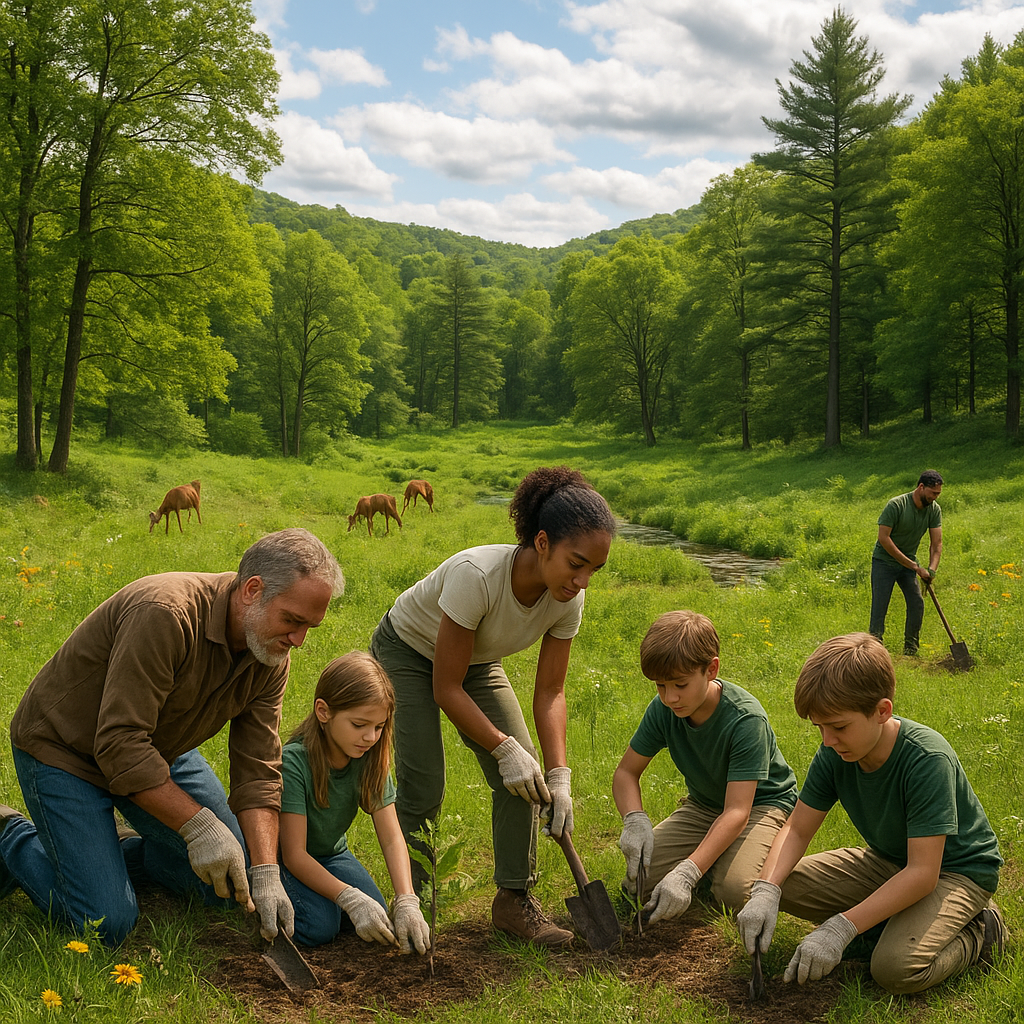
One project stands out vividly in my memory. A degraded pond near my hometown was once home to a chorus of frogs. Over time, pollution and invasive plants had left it nearly silent. Volunteering there, I helped remove invasive cattails and restore native aquatic plants. We also improved the pond's water quality by controlling runoff and planting buffer zones.
Weeks turned into months, and slowly the sounds returned. Tadpoles appeared. Adult frogs came back to breed. Seeing those first hatchlings was unforgettable.
This project taught me three crucial things:
- Recovery takes patience. Amphibians are sensitive, and their habitats need time to stabilize.
- Local involvement is key. Engaged communities provide ongoing care and vigilance.
- Holistic approaches work best. Focusing on water quality, vegetation, and landscape connectivity together yields strong results.
Proven Techniques for Amphibian Habitat Recovery
Success in amphibian habitat restoration lies in blending science with hands-on action. Here are some of the most effective methods I have found:
1. Wetland and Pond Rehabilitation
Removing invasive species, reshaping water bodies to improve depth and flow, and planting native aquatic vegetation create safe breeding and living spaces.
2. Water Quality Management
Reducing pollutants like pesticides and fertilizers is critical. Introducing buffer strips and restoring natural filtration systems help keep water clean.
3. Creating Habitat Corridors
Connecting isolated wetlands and forests with natural corridors allows amphibians to migrate safely, find mates, and colonize new areas.
4. Controlling Invasive Species
Both plants and predators can threaten amphibians. Active removal and monitoring prevent these invasions from wiping out recoveries.
5. Protecting Upland Habitats
Many amphibians spend part of their life cycle on land. Preserving moist woodlands, leaf litter, and burrows supports their survival outside water.
Challenges Along the Way
Amphibian habitat recovery is rewarding but far from easy. Funding limits often restrict how much land can be restored. Climate change compounds problems with altered rainfall patterns and rising temperatures. Invasive species may return even after removal efforts. Sometimes, restoration plans miss critical habitat nuances, causing setbacks.
Success demands adaptive management—adjusting strategies over time based on monitoring results and new knowledge.
How You Can Help Amphibian Habitats
Even if you are not a scientist or land manager, your actions matter.
- Support local conservation groups focused on wetlands and amphibian protection.
- Plant native gardens with features that hold moisture and provide shelter.
- Avoid using pesticides and fertilizers in your yard to keep water clean.
- Participate in citizen science projects that track amphibian populations.
- Educate neighbors and friends about amphibians and their habitat needs.
Closing Thoughts
Amphibian habitat recovery is a journey of hope and dedication. These creatures are often small, but their impact resonates throughout the environment and even human life. Restoring and protecting their habitats honors the delicate balance that sustains all living things.
When we commit to this work, we witness something extraordinary: nature’s ability to heal itself when given a chance. It reminds me that every effort counts. Together, we can help bring back the chorus of amphibians and ensure they continue singing for generations to come.
Let’s champion amphibian habitats and, in doing so, safeguard a vital link in our natural world.