Urban Habitat Pocket Parks Insights for September
There is something truly powerful about seeing a small urban space, once gray and unused, come alive with plants, birds, and buzzing insects. Over the past few years, my journey into creating and restoring urban habitat pocket parks has opened my eyes to the profound impact these tiny green spots can have in the middle of city life. If you feel a pull to make a real difference for nature where you live, I hope my experiences provide some inspiration and practical ideas.
Defining Urban Habitat Pocket Parks
So, what exactly are urban habitat pocket parks? In simple terms, they are small green spaces nestled inside cities, designed specifically to support local wildlife and nature. They help bring natural habits back amid pavement and buildings. These parks are about much more than decoration. They:
- Improve soil quality for plants and insects
- Feature native plants suited to the local climate and wildlife
- Reduce invasive plants that harm ecosystems
- Manage water supply to create healthier environments
- Provide food and shelter for birds, bees, butterflies, and other native animals
Creating these parks requires understanding how urban ecosystems work and striking a delicate balance so nature can thrive in a city’s hustle and bustle.
What Drew Me to Urban Habitat Pocket Parks
My interest began during a routine walk through downtown. Despite the busy streets, I noticed corners with little patches of greenery struggling to survive. The absence of natural sounds, like birdsong, felt stark and sad. That moment sparked something in me — a need to help, not just watch.
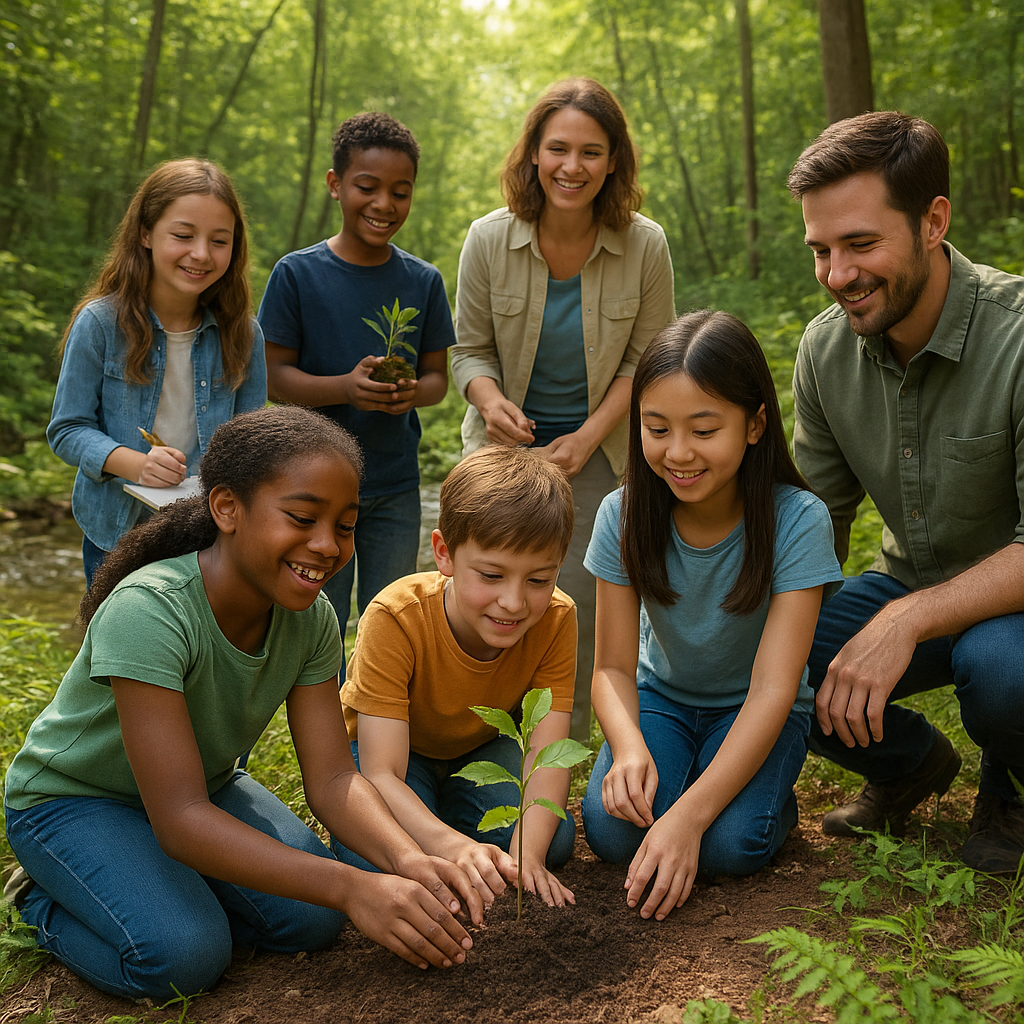
After that, I joined local groups focused on urban conservation and restoration. Learning about ecological principles and hands-on restoration techniques became my passion. Each small park we restored reminded me how much difference even a few square feet can make.
Challenges Encountered and Lessons Learned
Restoring nature in a city isn’t simple, and it certainly isn’t quick. The first challenge? Invasive species. Plants like Japanese knotweed or kudzu are experts at taking over. They pull nutrients from the soil and overshadow native species. Cutting them back alone was useless; they bounced back stronger.
That forced me to rethink my approach. I started combining:
- Careful, targeted herbicide application
- Regular manual removal with ongoing monitoring
- Planting native species that naturally compete with invasives
Water management was another big obstacle. In one pocket park near a dry creekbed, decades of urban development had altered water flow. That left the soil too dry for many native plants and animals. Collaborating with local officials, we blocked old drainage channels and reintroduced water flow patterns that better support life.
Celebrating Small Successes
The process can feel overwhelming at times. It’s easy to get discouraged watching plants struggle or invasives return. But small signs of success fuel the entire effort.
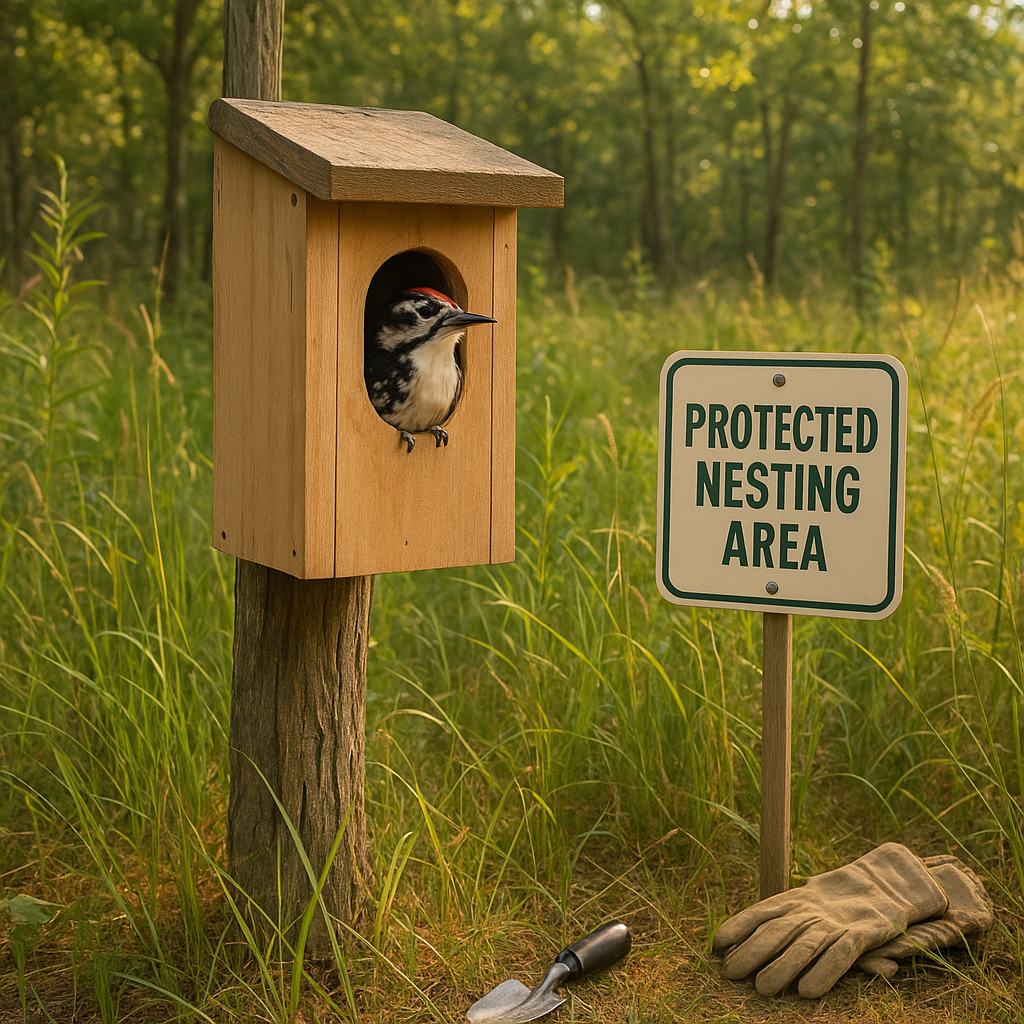
I still remember the thrill of spotting the first native wildflower bloom after planting season. Then hearing frogs sing nearby in the evening. Or seeing bluebirds choose a nesting box we installed. These moments are affirmations — reminders that nature welcomes the help.
Beyond beauty, these victories bring real benefits. Urban pocket parks increase biodiversity, enrich soil health, help cool city temperatures, and improve air quality. They not only support wildlife but also enhance human well-being.
Starting Your Own Urban Habitat Pocket Park
If you want to transform a tiny urban space into a vibrant habitat, here are some practical steps from my experience:
1. Educate Yourself
Seek out books, local workshops, and online resources. Learn about native plants suited for your region and urban restoration techniques.
2. Volunteer and Network
Join environmental groups involved in urban greening. Hands-on experience is invaluable, and community support makes a huge difference.
3. Start Small and Local
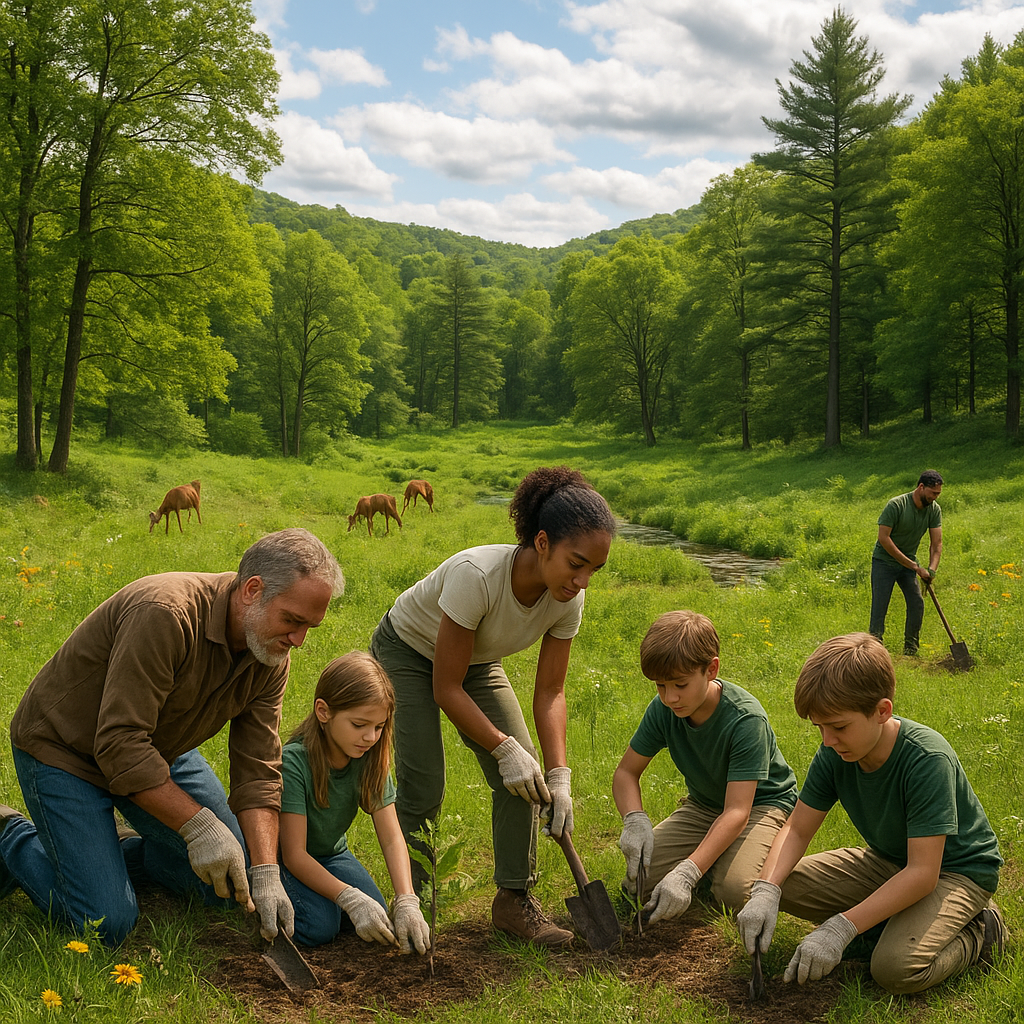
Even a balcony garden or an unused lot can be a habitat. Remove invasive plants, add native species, and make space for pollinators and birds.
4. Advocate and Inspire
Raise awareness about the value of urban habitats. Speak in your community, schools, and social media.
5. Monitor and Maintain
Restoration is an ongoing commitment. Regularly check on your patch, refine methods, and celebrate incremental progress.
Why Urban Pocket Park Restoration Matters More Than Ever
Cities keep growing, and natural habitats shrink. The effects of habitat loss, climate change, and pollution hit urban wildlife hard. Every rehabilitated pocket park becomes a small but vital refuge.
Restoring green urban spaces benefits humans as well. Healthy ecosystems control floods, improve air and water quality, and support pollinators essential for food production. These parks bring a breath of fresh air—literally—to urban life.
Final Thoughts
Working on urban habitat pocket parks has taught me patience, resilience, and hope. Nature is tough, but it needs help to survive in cities. If you’ve been waiting for a cue to get involved, this is it.
Together, one pocket park at a time, we can bring life back to our urban environments.
Ready to make a change in your city? Connect with local groups, pick up some tools, and start building your urban habitat. The plants, animals, and your community will thank you.